

Why Replace Your Concrete Steps?
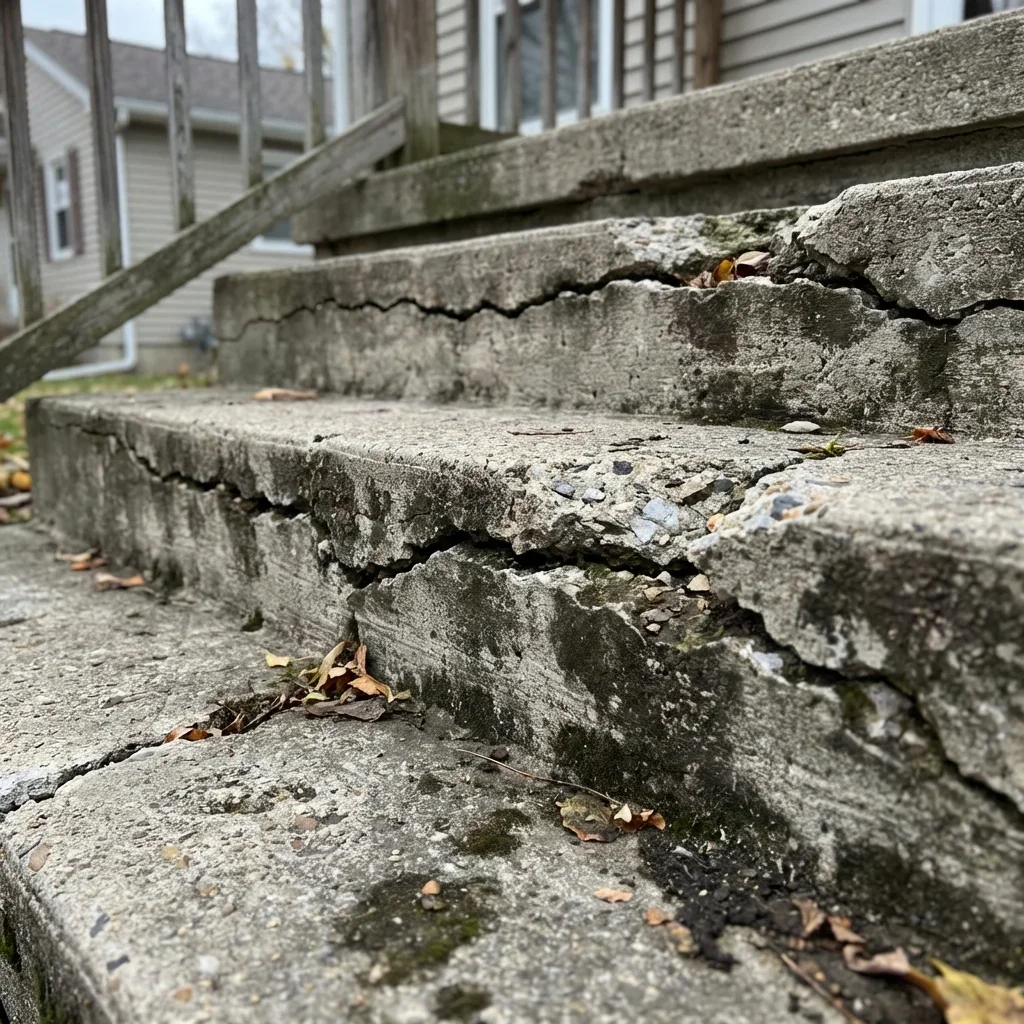
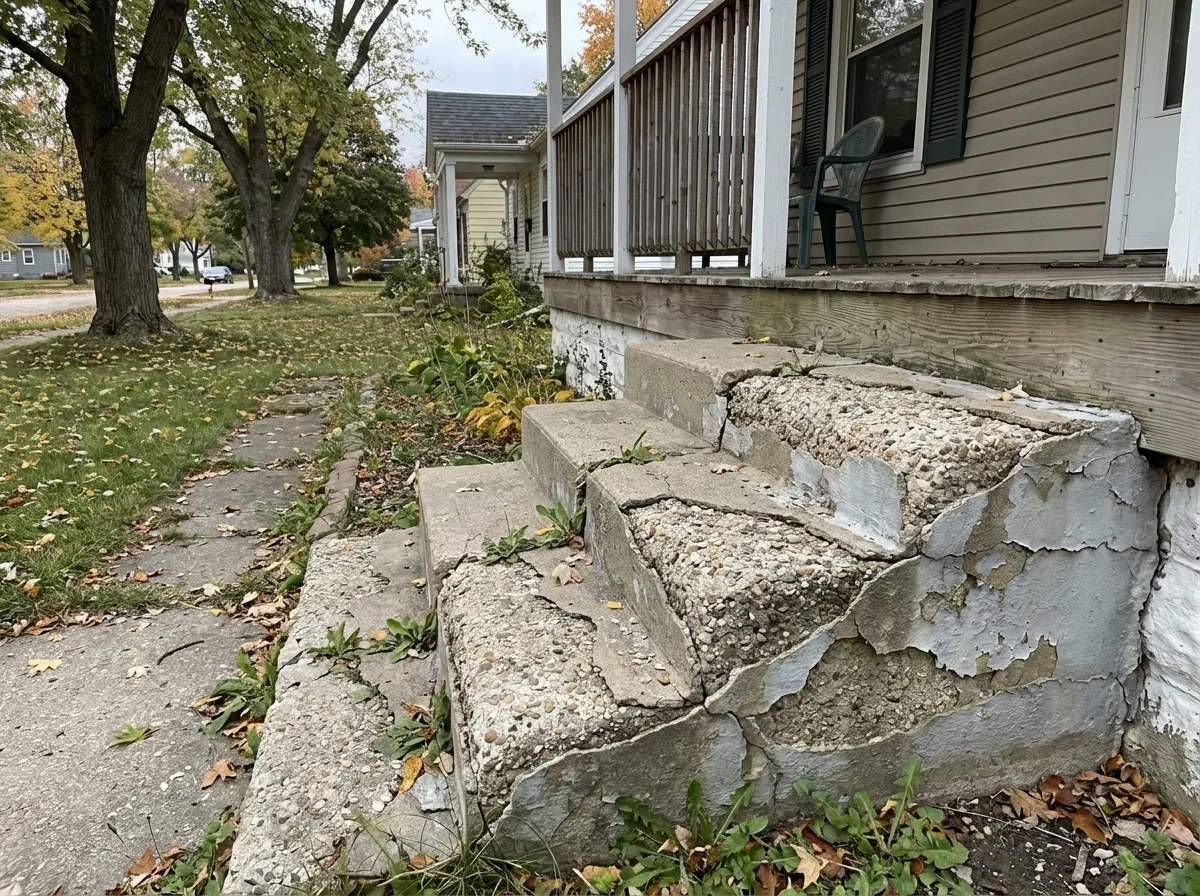
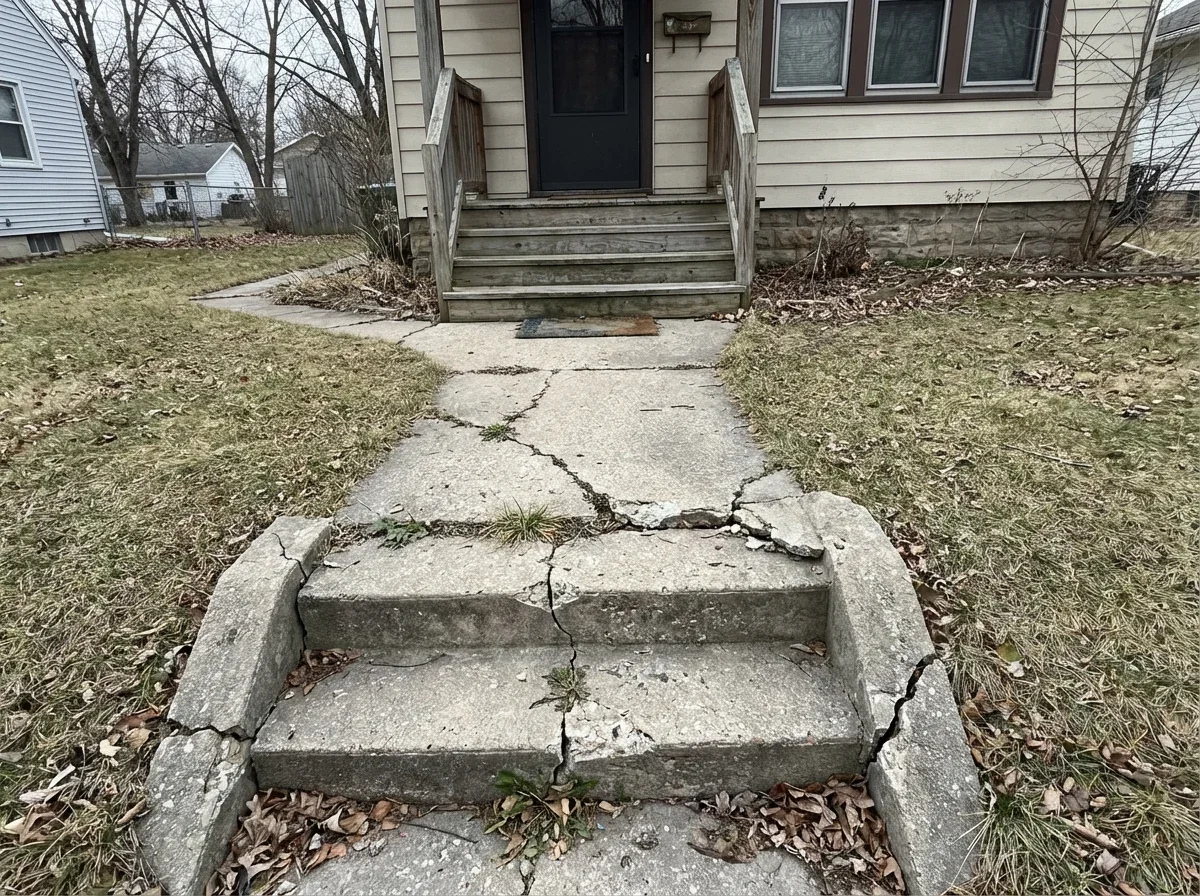
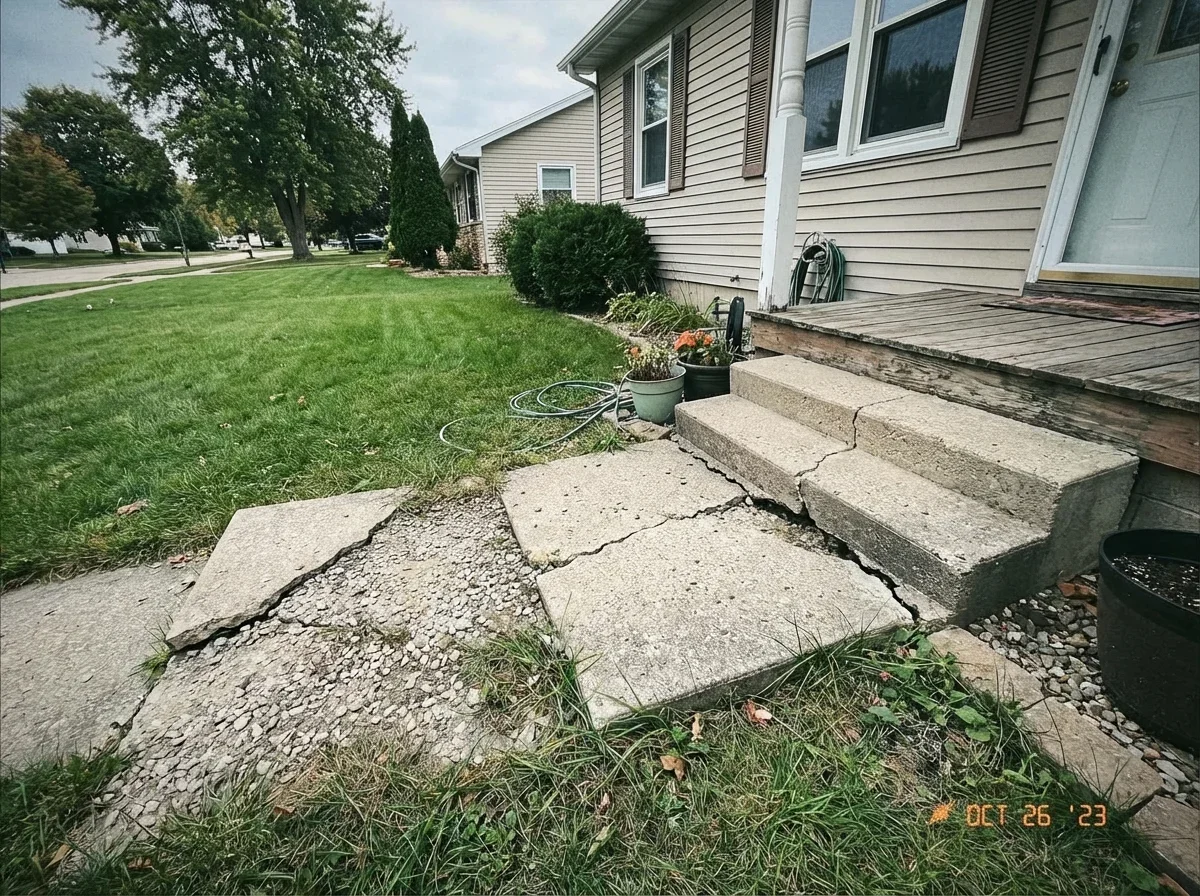
You notice it every time you come home. The crack that's widening. The corner that's broken off. The way the whole structure tilts slightly away from the house.
Maybe you've patched it with concrete repair mix from the hardware store. It looked okay for six months, then crumbled out. Or the steps are just outdated — narrow, steep, with no landing — from when the house was built forty years ago.
Here's what happens when you wait. Water seeps into those cracks every time it rains. When winter hits in Appleton or Green Bay, that water freezes and expands. The damage accelerates. What started as a hairline crack becomes a structural issue. The steps pull away from the foundation. Someone trips. What was a $1,200 replacement becomes a $2,800 emergency repair with foundation work.
Sound familiar? Your steps have a 2-inch gap where they meet the house. You tried sealing it with caulk. It lasted one winter. Now the gap is 3 inches and you can see daylight underneath.
Beyond safety, there's the curb appeal factor. Your front entry is the first thing people see. Crumbling steps make your whole house look neglected — even if everything else is immaculate. In neighborhoods around Neenah and Menasha, where homes compete for buyer attention, worn-out steps are an immediate value killer.
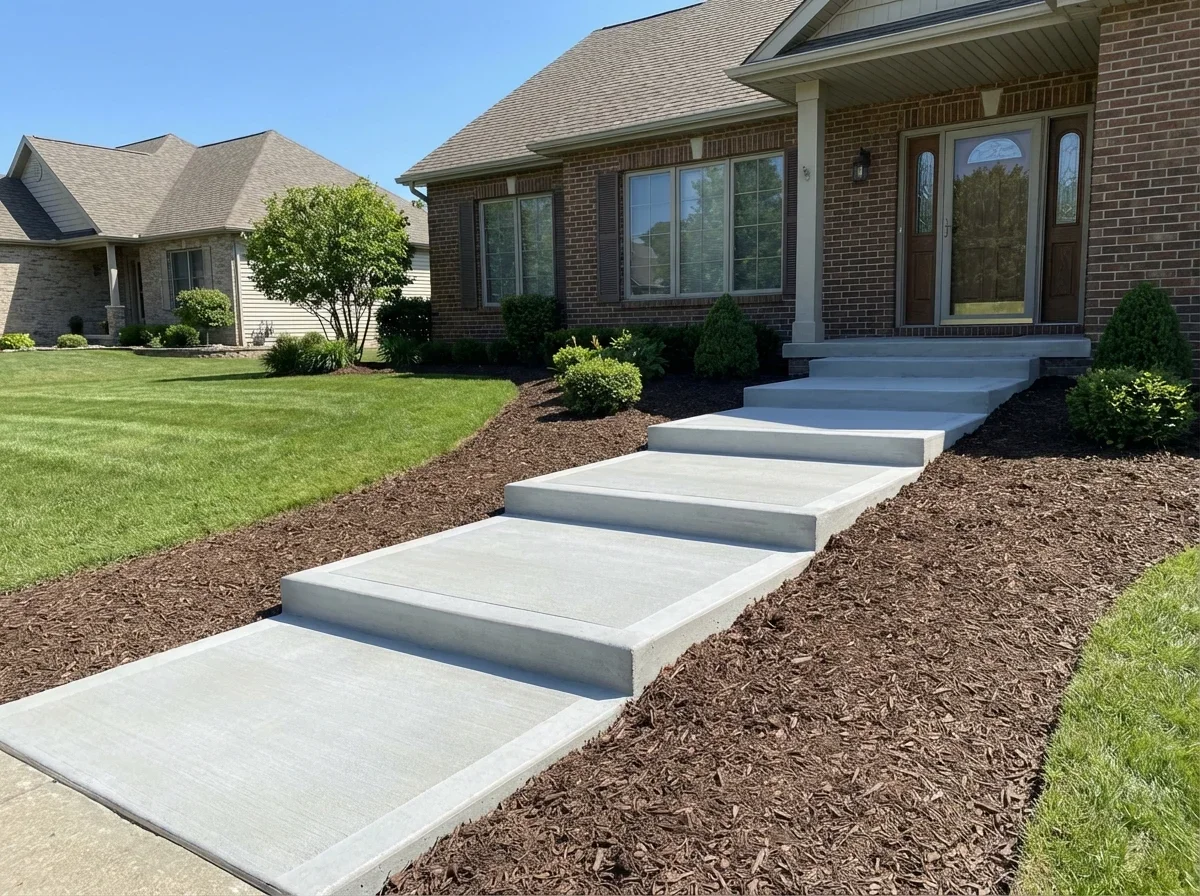
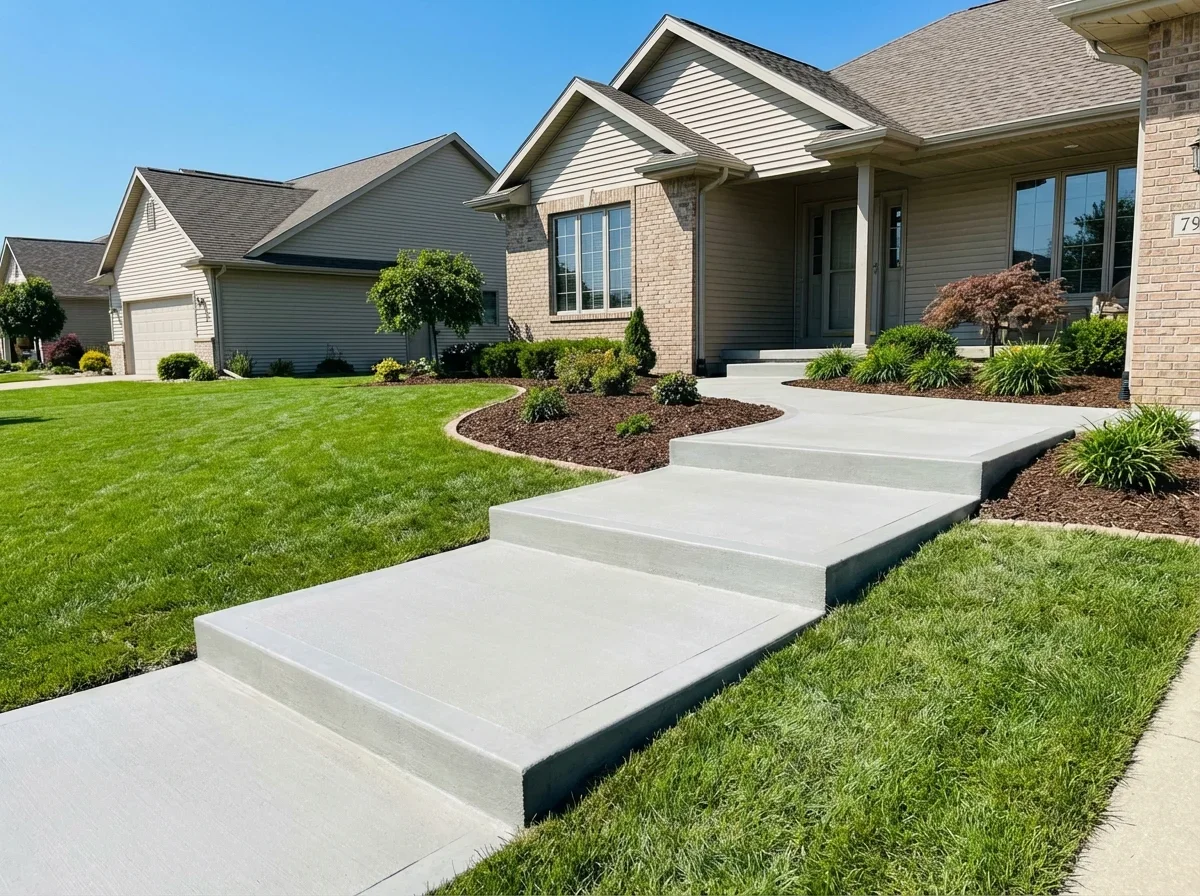
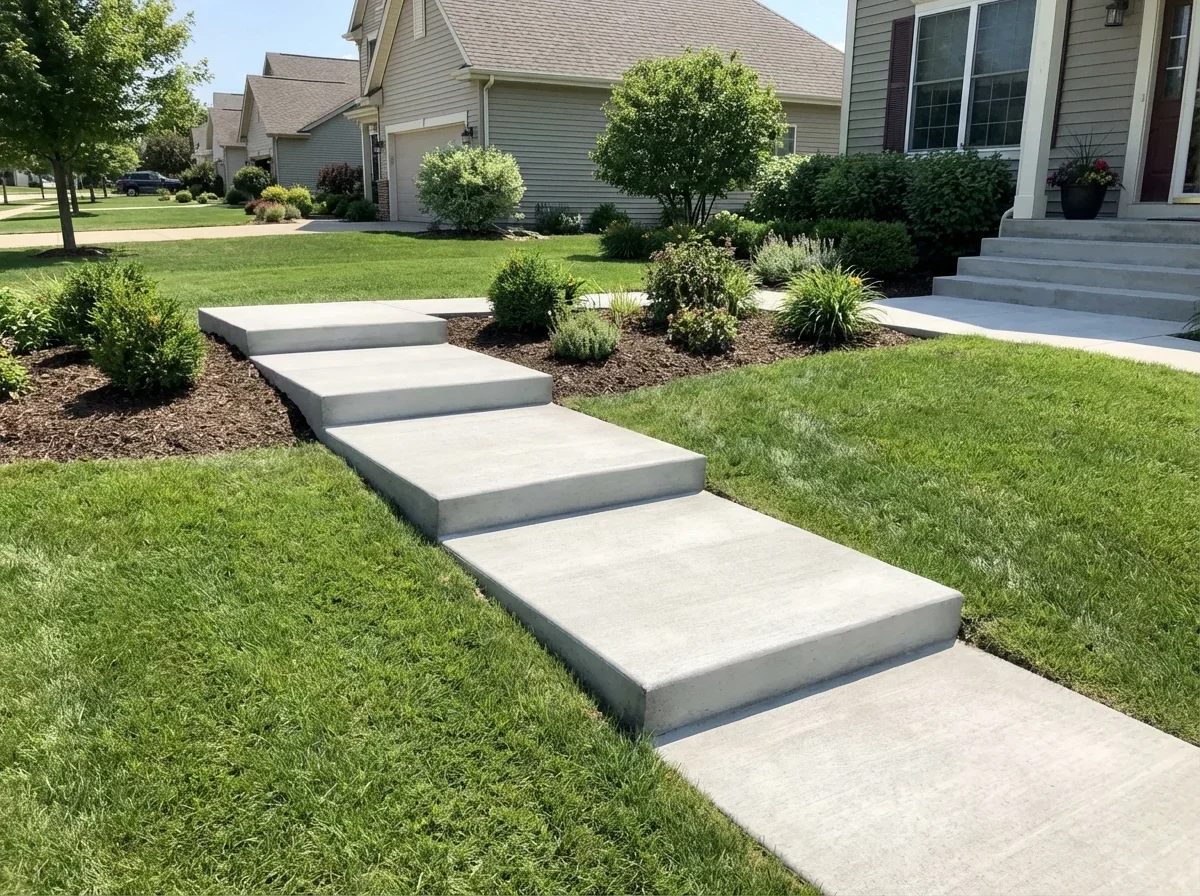
New concrete steps transform your entry. They're level, safe, and built to Wisconsin building codes. The landing is the right size. The rise and run feel natural. You can carry groceries without worrying about your footing. Your home looks cared for from the curb.
The installation is straightforward. The transformation is immediate. And unlike patching, it's a permanent fix that adds measurable value to your property.
What Does Concrete Step Installation Cost in the Fox Valley?
A standard three-step front entry replacement in Appleton or Oshkosh typically runs $900 to $2,500, depending on size, material choice, and finish options. That includes demolition of old steps, proper foundation work, and a basic broom finish.
Here's how the costs break down:
| Step Configuration | Precast | Poured-in-Place |
|---|---|---|
| 3-step entry (36" wide) | $900–$1,400 | $1,200–$1,800 |
| 4-step entry (48" wide) | $1,300–$1,900 | $1,800–$2,500 |
| Landing + 3 steps | $1,500–$2,200 | $2,000–$3,200 |
| Custom width (60"+) | Not available | $2,500–$4,500 |
Precast steps cost less upfront but limit your options. You're choosing from standard sizes — usually 36", 42", or 48" wide — and the finish is whatever the manufacturer offers. Installation is fast: the old steps come out, the contractor sets the precast unit on a compacted gravel base, and you're done in a day.
Poured-in-place steps cost more but give you control. Want 52 inches wide to match your door? Done. Need a curved landing? Possible. Custom stone inlay? Absolutely. The concrete is mixed on-site, formed to your exact specs, and finished however you want.
Finish and Design Options
Basic broom finish adds nothing to the base cost — it's standard. Exposed aggregate (small stones visible on the surface) adds $200–$400 and creates a slip-resistant texture that looks upscale. Stamped or colored concrete adds $300–$600 but can mimic natural stone or brick.
Railings are separate. A basic steel railing with posts costs $300–$600 installed. Decorative wrought iron or custom designs run $800–$1,500. Wisconsin building codes don't require railings for steps under 30 inches high, but most homeowners in Green Bay and De Pere add them anyway for safety and resale value.[1]
Foundation work affects cost more than homeowners expect. In Fox Valley, frost protection requires footings 42–48 inches deep to prevent heaving.[2] If your old steps had shallow footings (common in older homes around Kaukauna and Little Chute), the contractor needs to dig deeper and pour more concrete. That adds $300–$700 to the project.
| Cost Factor | Budget Impact |
|---|---|
| Basic 3-step replacement | $900–$1,800 |
| Upgraded finish (aggregate, stamp) | +$200–$600 |
| Railings | +$300–$1,500 |
| Deep foundation work | +$300–$700 |
| Custom width or landing | +$500–$1,200 |
Most Fox Valley contractors quote by the job, not by the hour. Get at least three estimates. Ask what's included: demolition, hauling debris, foundation depth, finish type, and warranty.
The Concrete Step Installation Process
Replacing concrete steps takes 2 to 5 days from demolition to finished product, depending on whether you choose precast or poured-in-place. Here's what happens at each stage.
1. Site Assessment and Old Step Removal
The contractor evaluates your entry: how the old steps attach to the foundation, what's underneath them, and whether there's settling or water damage. They measure the rise (vertical distance from ground to door threshold) and calculate how many steps you need to meet Wisconsin's 7-inch maximum riser height.[1]
Demo day is loud but fast. A crew breaks up the old concrete with jackhammers, hauls it to a truck, and clears the area down to dirt. If the old steps were poured against the house foundation, they chip carefully to avoid damaging the foundation itself. Most contractors finish demo in 2–4 hours.
2. Foundation and Forming
In Fox Valley, frost protection isn't optional. Footings must extend 42–48 inches below grade to sit below the frost line.[2] The contractor digs trenches, sets rebar for reinforcement, and pours the footings. These need 24–48 hours to cure before the next step.
For poured-in-place steps, the crew builds wooden forms that define the shape: the height of each riser, the depth of each tread, and the overall width. Forms must be level, square, and braced so they don't shift when concrete flows in. This takes half a day for simple steps, longer for custom designs.
Precast steps skip the forming stage entirely. The contractor prepares a level gravel base, sets the precast unit with a crane or forklift, and anchors it to the foundation with concrete adhesive and rebar.
3. Pouring, Finishing, and Curing
On pour day, the concrete truck arrives early. The crew fills the forms, working quickly to spread and level the mix before it starts setting. They trowel the surface smooth, then apply the finish — broom texture for slip resistance, or exposed aggregate, or stamping.
Concrete reaches "foot traffic strength" in 24–48 hours, but you shouldn't put full weight on steps (carrying furniture, heavy deliveries) for 7 days. In cooler weather — common in Greenville and Freedom during spring and fall — curing takes longer. Most contractors recommend waiting 10–14 days before heavy use.
Forms come off after 24 hours. The contractor seals any gaps where steps meet the house, applies a concrete sealer if you paid for it, and cleans up the site.
Timing matters in Wisconsin. Concrete work happens April through October. Cold weather (below 40°F) slows curing and risks surface damage. Schedule your project in late spring or summer for best results.
How to Choose a Concrete Step Contractor
The cheapest bid isn't always the best value. A contractor who cuts corners on foundation depth or skips code compliance will cost you more in repairs within five years. Here's what separates good concrete contractors from ones you'll regret hiring.
Licensing and Code Knowledge
Ask if they pull permits for step work. In Fox Valley municipalities like Appleton and De Pere, permits aren't always required for simple step replacement, but good contractors know Wisconsin building codes and follow them anyway. That means 7-inch max riser height, 11-inch minimum tread depth, and proper foundation depth below the frost line.[1][2]
Red flag: a contractor who doesn't mention code requirements or says "permits are optional so we skip them."
Portfolio and References
Look at recent work, not just photos on a website. Drive by completed projects in Neenah or Oshkosh if possible. Check for:
- Clean edges and consistent rise/run — every step the same height
- Smooth finish with no spalling or surface cracks
- Proper slope for water drainage (steps shouldn't puddle)
- Neat attachment to the house foundation
Ask for three references from the past year. Call them. Ask specifically: "Did the contractor show up when promised?" and "Any issues after the first winter?"
Warranty and Material Quality
Most reputable Fox Valley contractors offer 1–3 year warranties on workmanship. Material failures (concrete cracking, surface spalling) should be covered. Get it in writing.
Ask what PSI concrete they use. For Wisconsin freeze-thaw cycles, you want 4,000 PSI minimum with air entrainment (tiny air bubbles that prevent cracking when water freezes inside the concrete). Contractors who use 3,000 PSI to save money are setting you up for repairs.
Questions to ask every contractor:
- How deep will you dig for footings? (Answer should be 42–48 inches in Fox Valley)
- What PSI concrete do you use? (Answer should be 4,000+ with air entrainment)
- Do your steps meet Wisconsin riser and tread codes? (They should know the 7" and 11" numbers)
- What's included in your quote — demo, haul-away, sealer, warranty?
- Can I see a job you finished last year? (They should say yes)
Good contractors explain their process, answer questions directly, and don't rush you into signing. If someone pressures you to decide today or offers a "discount if you pay cash now," walk away.
The right contractor makes this straightforward. They show you examples, explain your options, and deliver exactly what they promised. That's what you're paying for — not just concrete, but confidence that your new steps will last twenty years.
Frequently Asked Questions
To estimate concrete volume for steps, break the staircase into individual rectangular sections and calculate each one separately. Here's the process:
- Measure each step — Record the length (front-to-back), width (side-to-side), and height (rise) of each step.
- Convert steps to rectangles — Imagine each step as a horizontal rectangular block. For example, a 3-step staircase is three separate rectangles.
- Calculate volume — For each step, multiply length × width × depth (thickness of concrete, usually 4–6 inches).
- Add totals — Sum the volumes of all steps and any landings to get total cubic yards.
- Add 10% waste — Always round up by 10% to account for spillage and uneven surfaces.
Example: Three steps, each 3 ft wide × 1 ft deep × 4 in. thick = (3 × 1 × 0.33 ft) × 3 steps = ~3 cubic feet per step. Total = ~9 cubic feet, or about 0.33 cubic yards.
- Wisconsin Department of Safety and Professional Services. "Stairway and Railing Codes for Wisconsin." https://dsps.wi.gov/Documents/Programs/UDC/CodeArchives/ICS/StairwayRailingCodes.pdf. Accessed February 10, 2026.
- Wisconsin Department of Safety and Professional Services. "Frost Protection Depth Map." https://dsps.wi.gov/Documents/Programs/UDC/CodeArchives/SBC/FrostProtectionDepthMap.pdf. Accessed February 10, 2026.
Related Articles
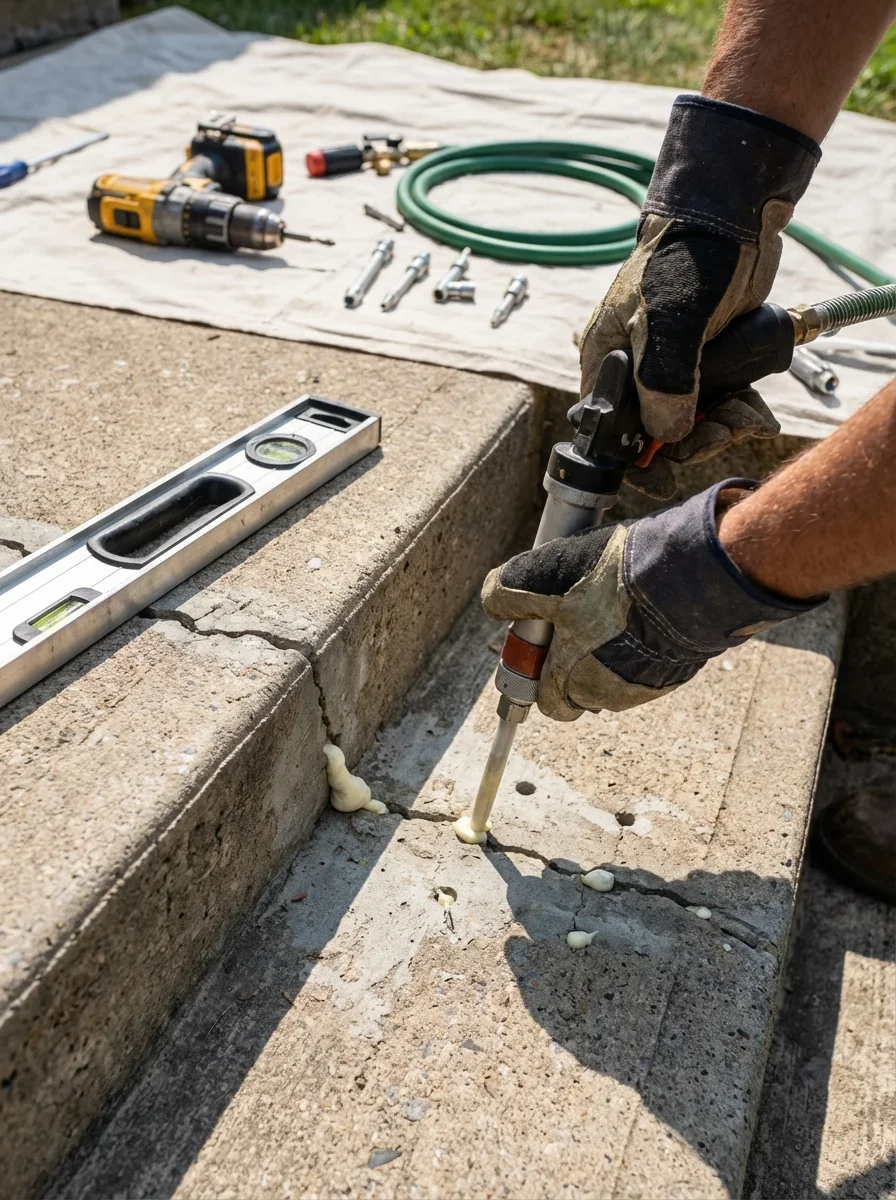
Concrete Steps Installation & Repair: Hiring the Right Pro
Hiring a contractor for concrete steps? Learn about proper installation methods, repair vs replacement decisions, and what quality step work should cost.
Read Guide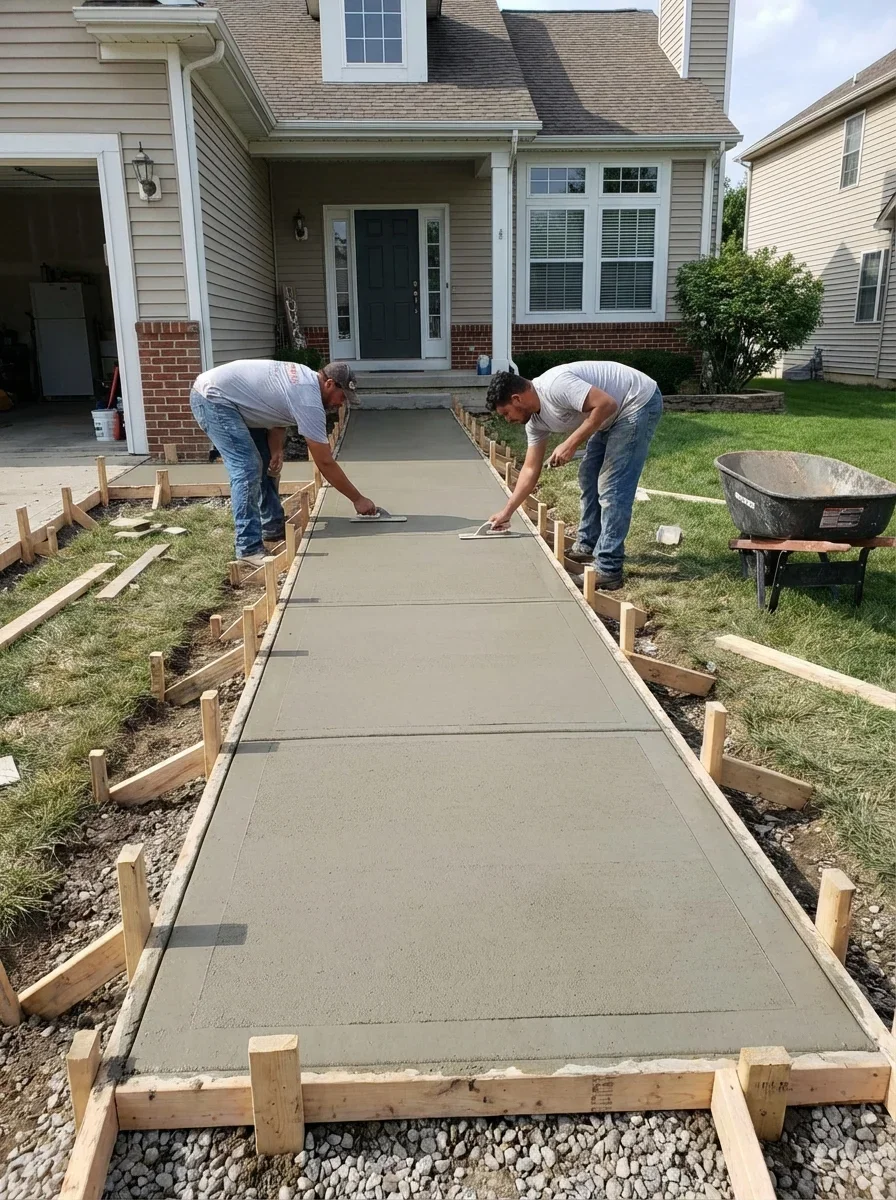
Residential Concrete Contractors: Services, Costs & How to Hire
Connect with licensed residential concrete contractors in Fox Valley. Compare quotes for driveways, patios, sidewalks, and more. Free estimates from vetted pros.
Read Guide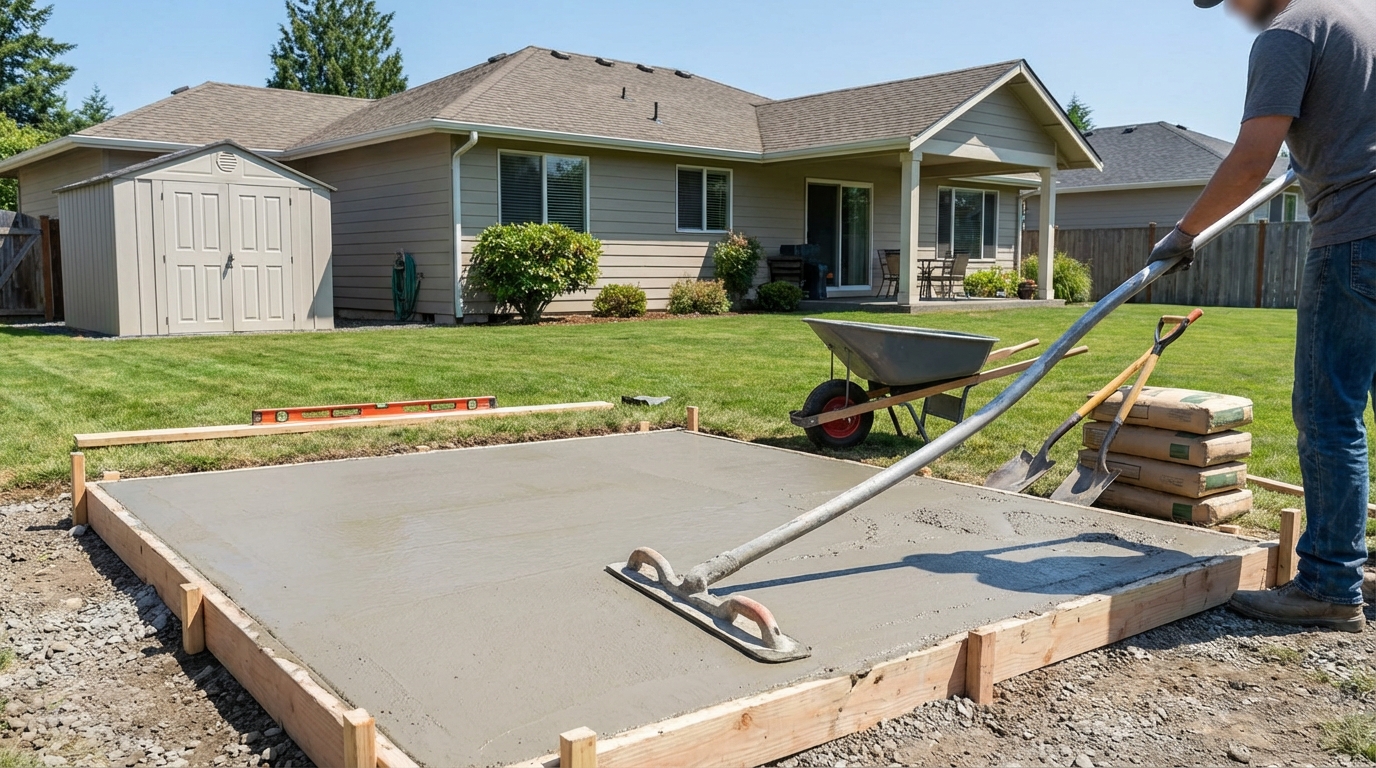
Residential Concrete Costs: What Small Jobs Really Cost
Small concrete projects have different pricing than large pours. Learn why contractors charge minimum fees, what drives small job costs, and how to get fair quotes.
Read Cost Guide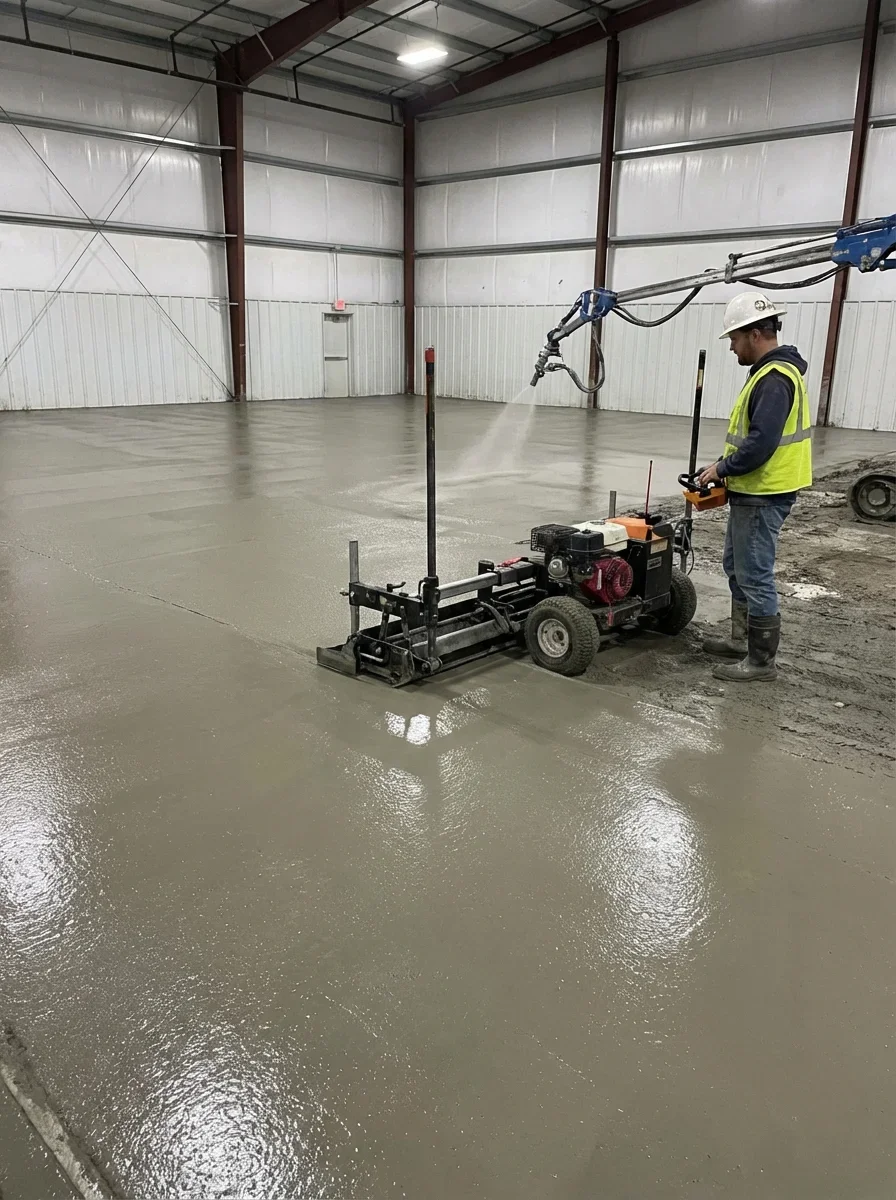
Innovative Techniques and Technologies in Concrete Construction
Discover advanced concrete techniques and technologies available from today's contractors: from self-healing concrete to 3D texturing and eco-friendly mixes.
Read Guide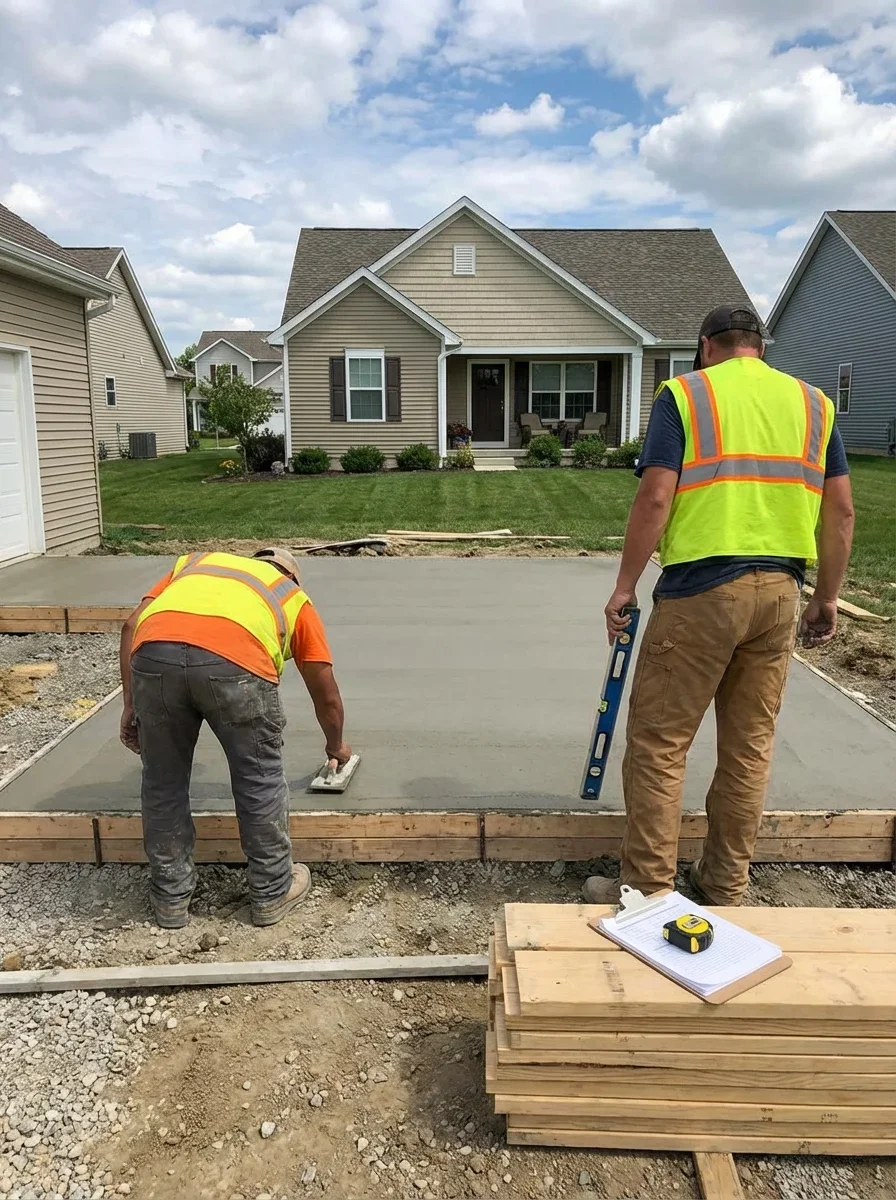
How Much Do Concrete Contractors Cost? Pricing Guide
Understand concrete contractor pricing in Fox Valley. Learn what drives costs, regional price ranges, and how to compare quotes from licensed professionals.
Read Cost Guide
How to Choose the Right Concrete Contractor for Your Project
Learn what separates quality concrete contractors from the rest. Licensing, insurance, experience, equipment, and questions to ask before hiring for your project.
Read Guide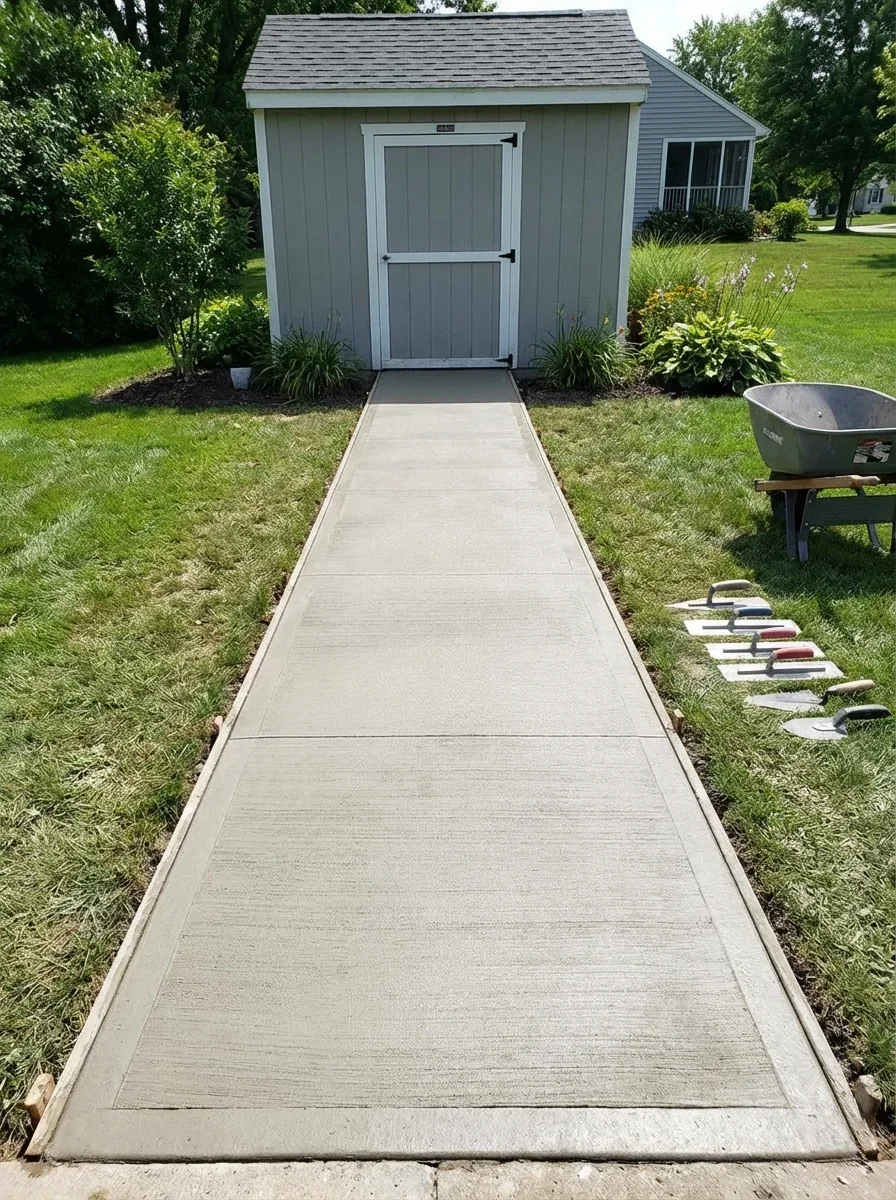
Small Job Concrete Contractors: When You Don't Need a Big Crew
Find contractors who specialize in small concrete jobs—shed pads, steps, walkways, repair work. Compare quotes for projects under 500 sq ft in Fox Valley.
Read Guide