

Why Fox Valley Homeowners Choose Stamped Concrete
You've lived with that boring concrete patio long enough. Or worse — you're pricing out pavers for your new driveway and choking on the $25,000 estimate for a two-car approach.
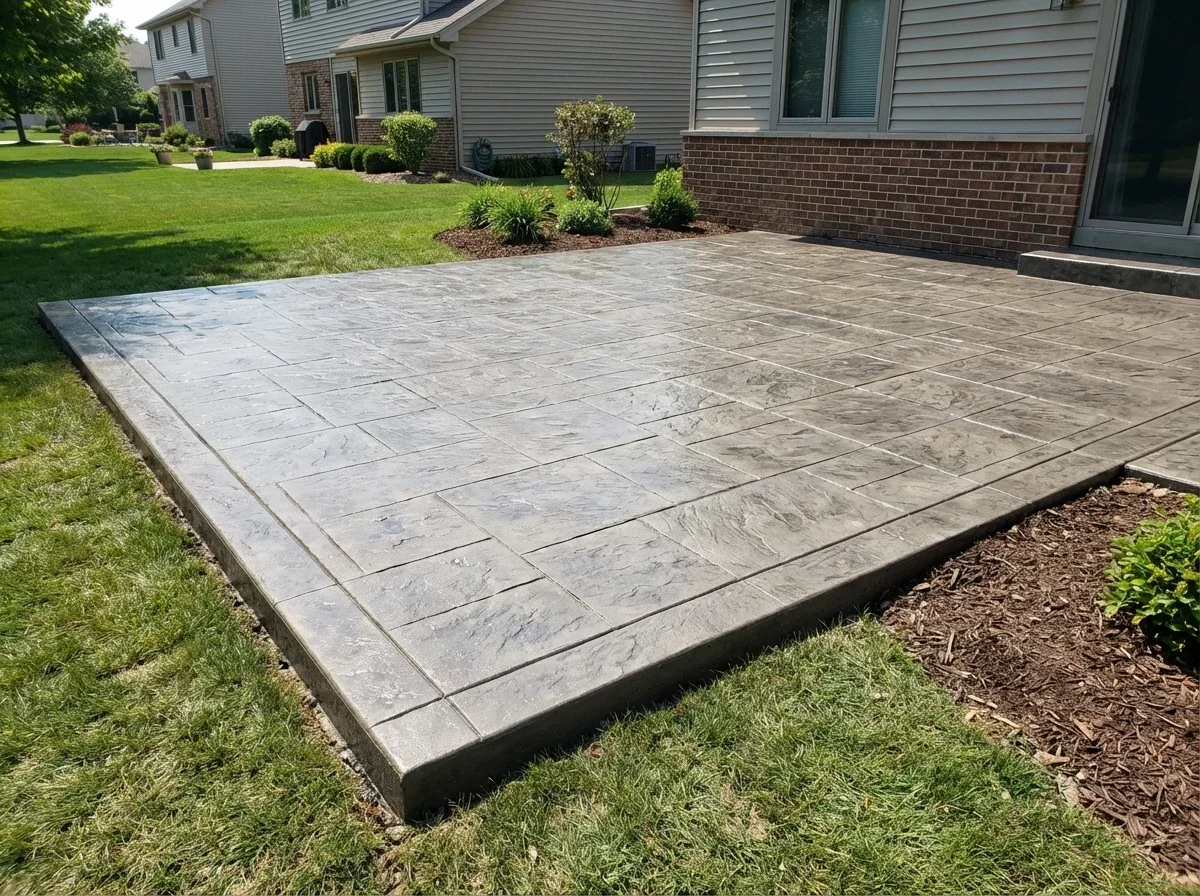
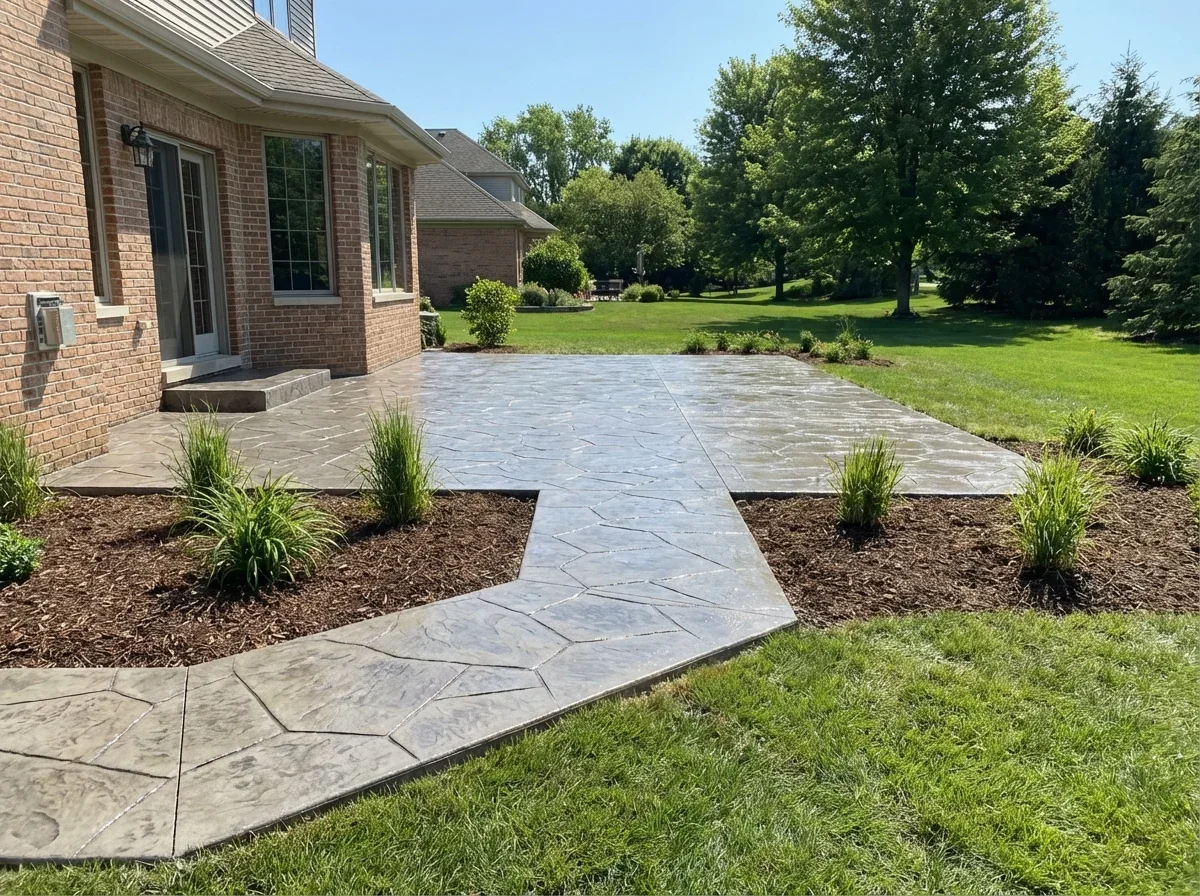
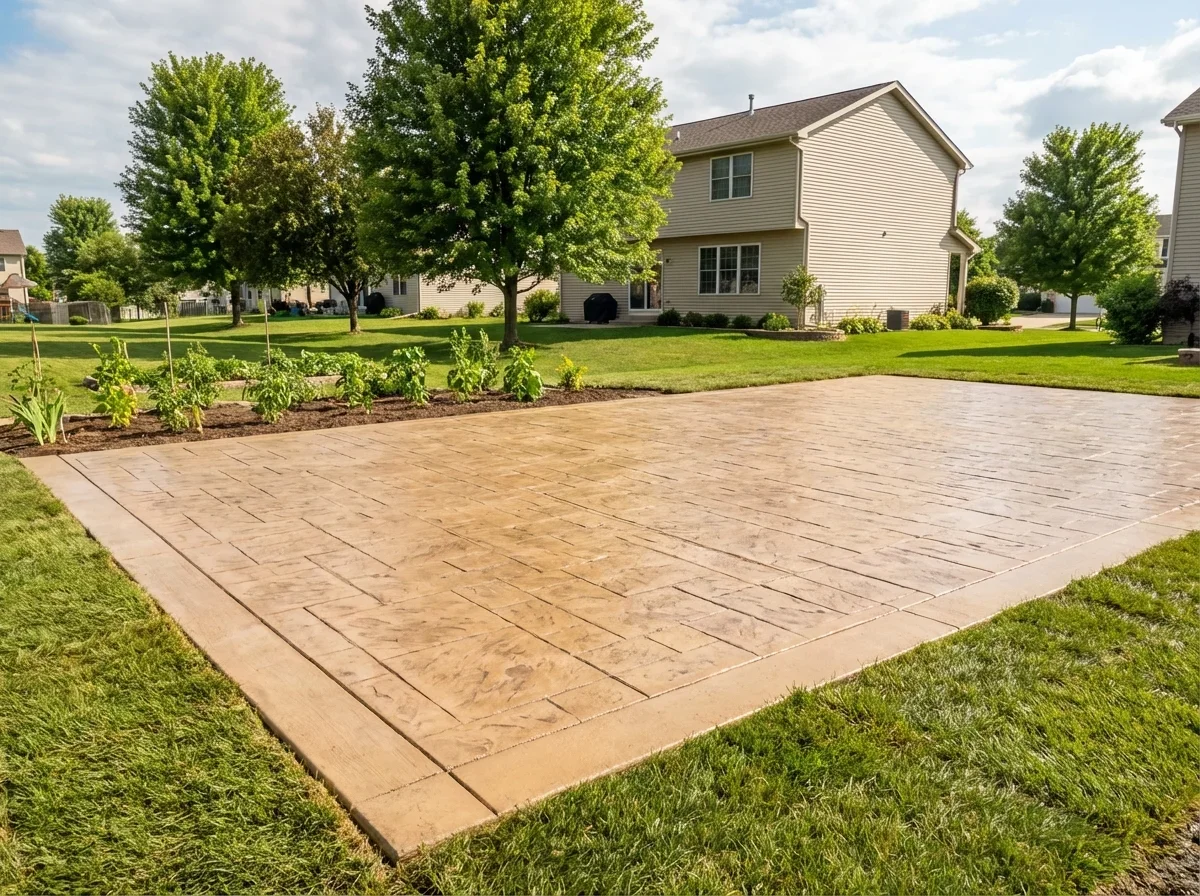
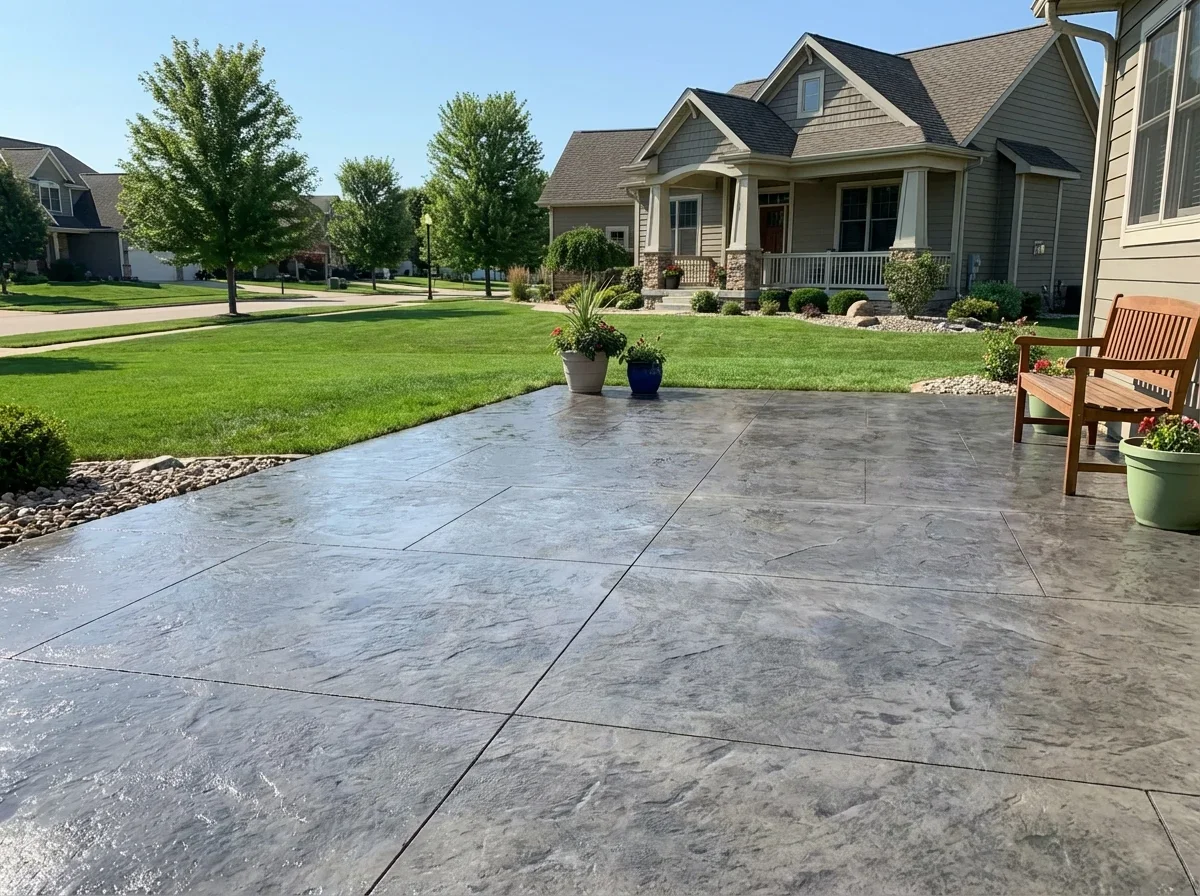
Stamped concrete gives you the high-end look without the high-end price tag. It's real concrete — the same 4,000 PSI mix contractors pour for driveways across Appleton and Green Bay — but textured and colored to mimic natural stone, slate, brick, even wood plank. The stamps press into the wet concrete, creating joints, texture, and dimension that looks custom-carved.
The curb appeal difference is immediate. Neighbors in Neenah replacing plain driveways with stamped cobblestone patterns see their homes stand out on the block. It's the same structural concrete underneath, but the surface reads as upscale stonework.
And it's not just aesthetics. Property value matters. A stamped concrete patio or decorative driveway in Oshkosh adds measurable value — buyers notice outdoor living spaces and finished hardscaping. The ROI is comparable to deck additions but requires virtually no maintenance beyond periodic sealing.
The ROI is real. Decorative concrete upgrades typically return 70-85% of cost at resale in the Fox Valley market. For a $6,000 stamped patio, that's $4,200-$5,100 added to your home's value — plus you get to enjoy it for years before selling.
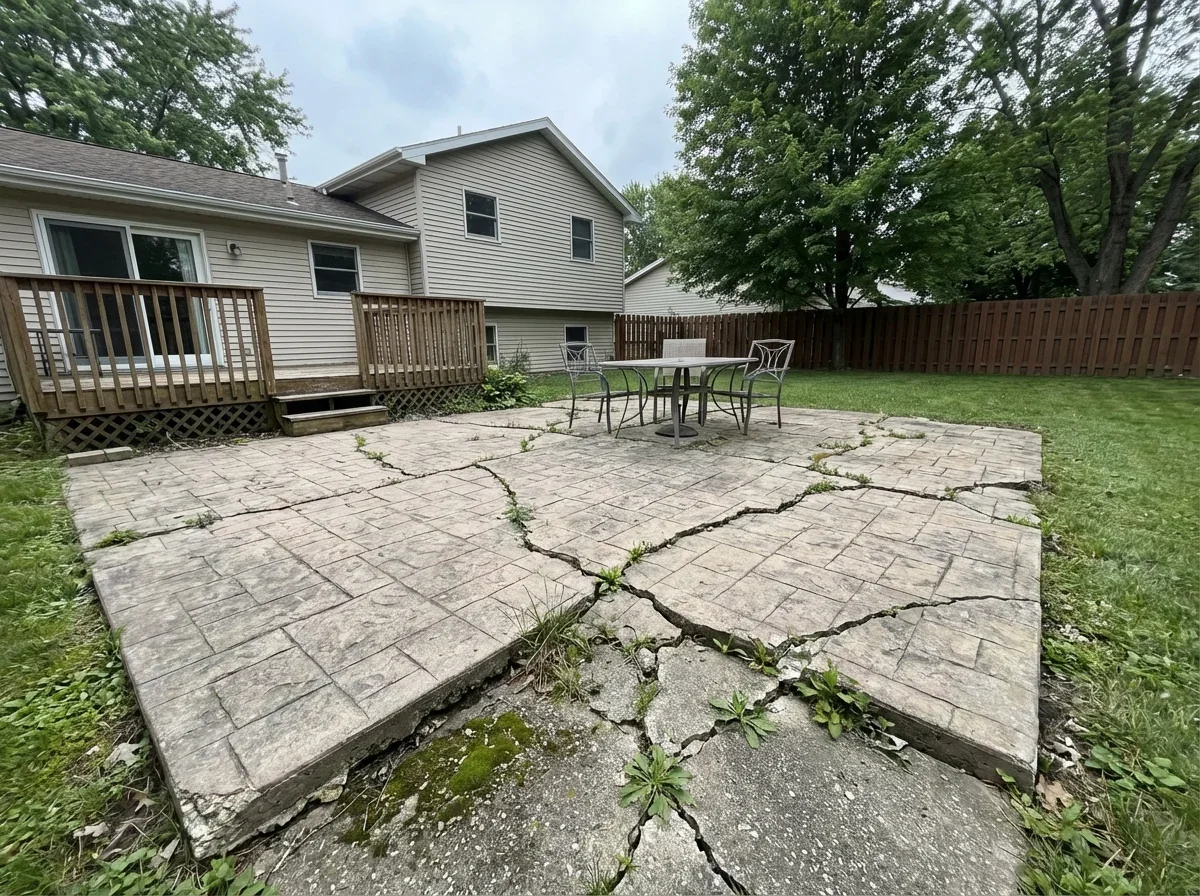
The durability question: yes, stamped concrete handles Wisconsin winters. The key is proper installation — adequate base prep, correct mix design, and professional sealing. Contractors in De Pere and Kaukauna working with freeze-thaw cycles know the specs: air-entrained concrete, minimum 4" thickness, quality sealers reapplied every 2-3 years. Stamped concrete that's installed right lasts 20+ years with minimal cracking — the same lifespan as any concrete driveway, but dramatically better looking.
What Does Stamped Concrete Cost in the Fox Valley?
Expect to pay $12–$25 per square foot for stamped concrete in the Appleton and Green Bay area. That range depends on pattern complexity, color choices, and site conditions.
Pattern Options
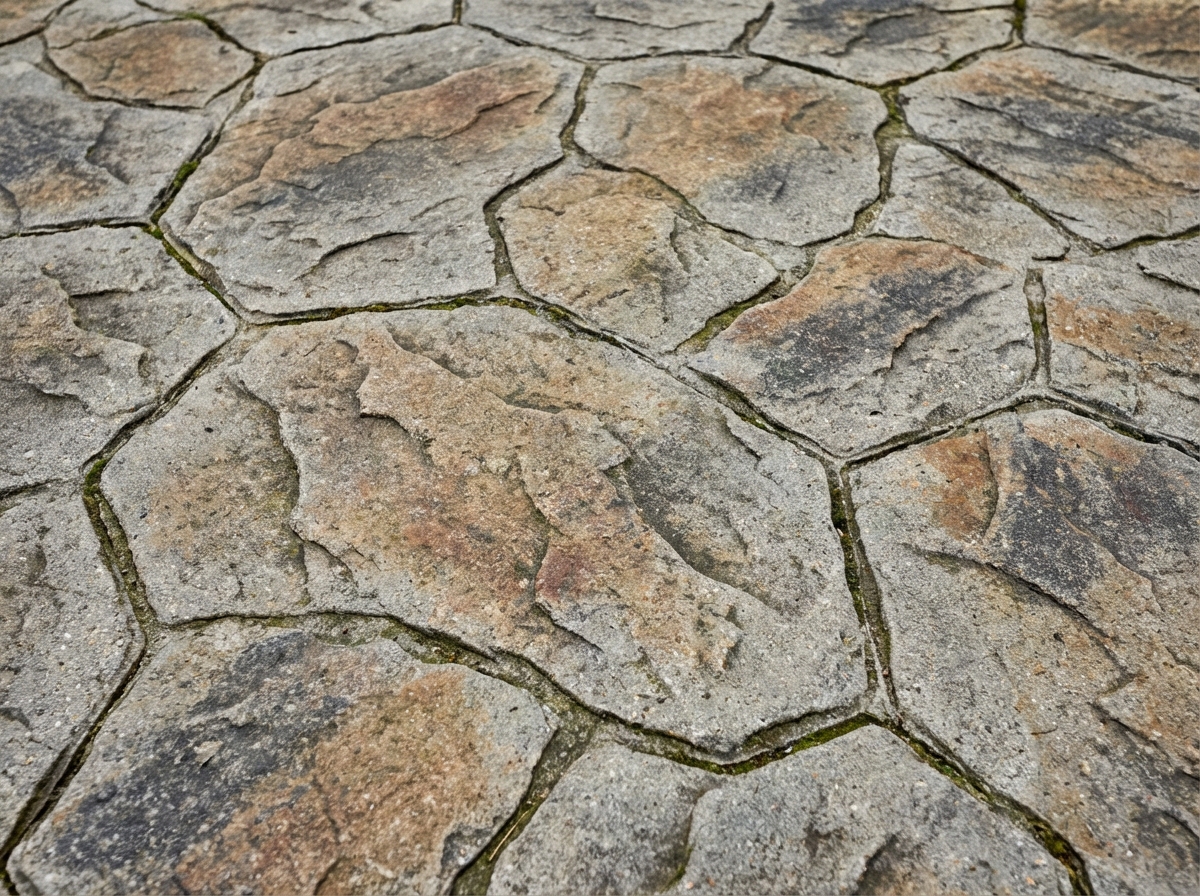
Single stamp mat, one release color. Clean natural look.
Patios & Walkways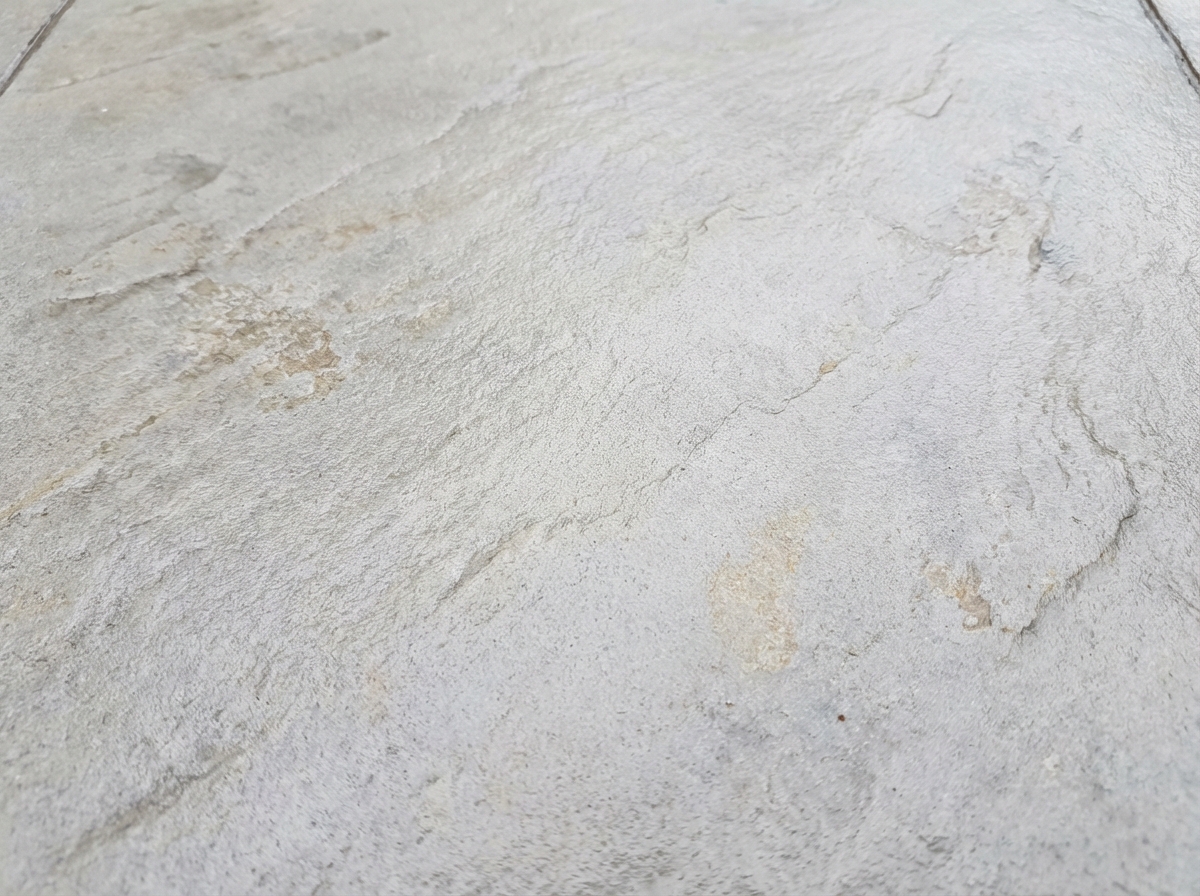
Subtle texture without visible joints. Modern, clean finish.
Pool Decks & Patios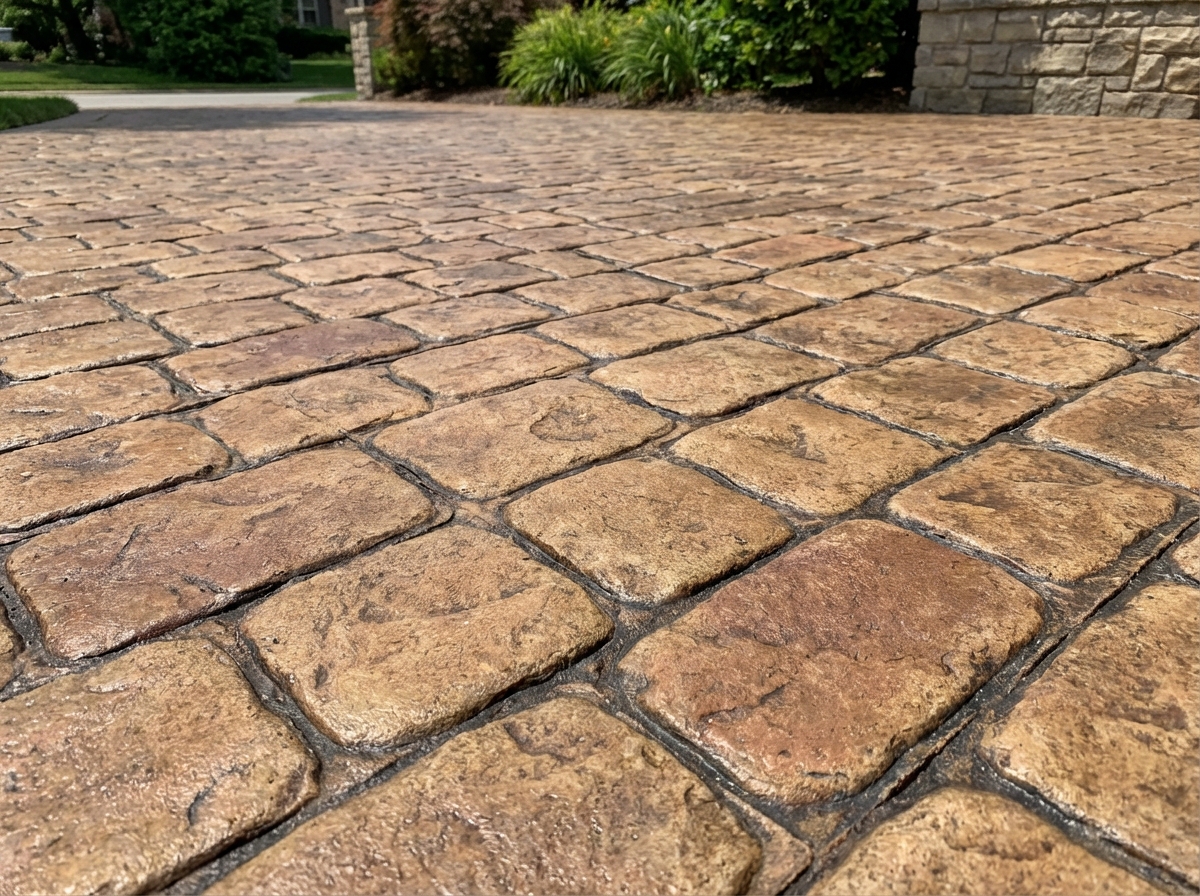
Classic European look. Multiple stamp mats, hand-tooled detail.
Driveways & Courtyards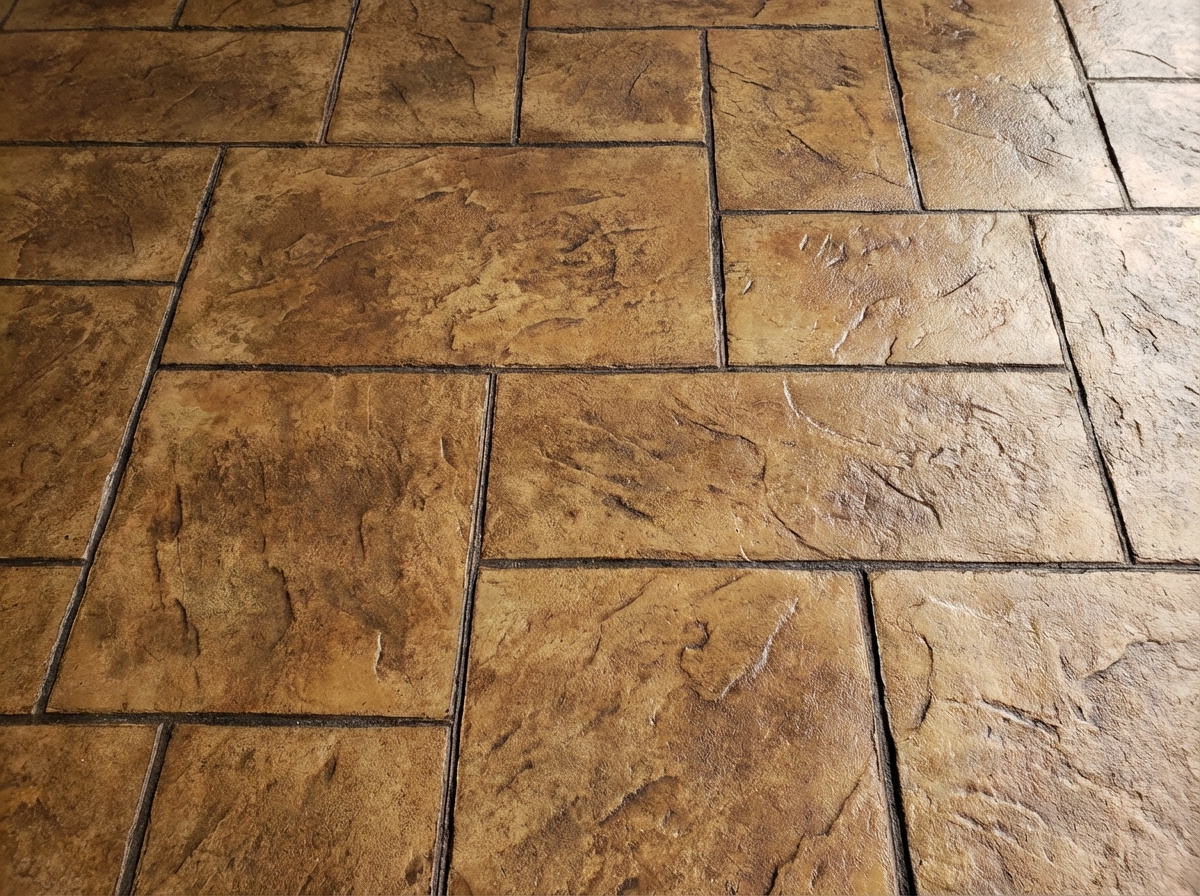
Premium rectangular pattern with contrasting borders. Multi-tone staining.
Entryways & Upscale Patios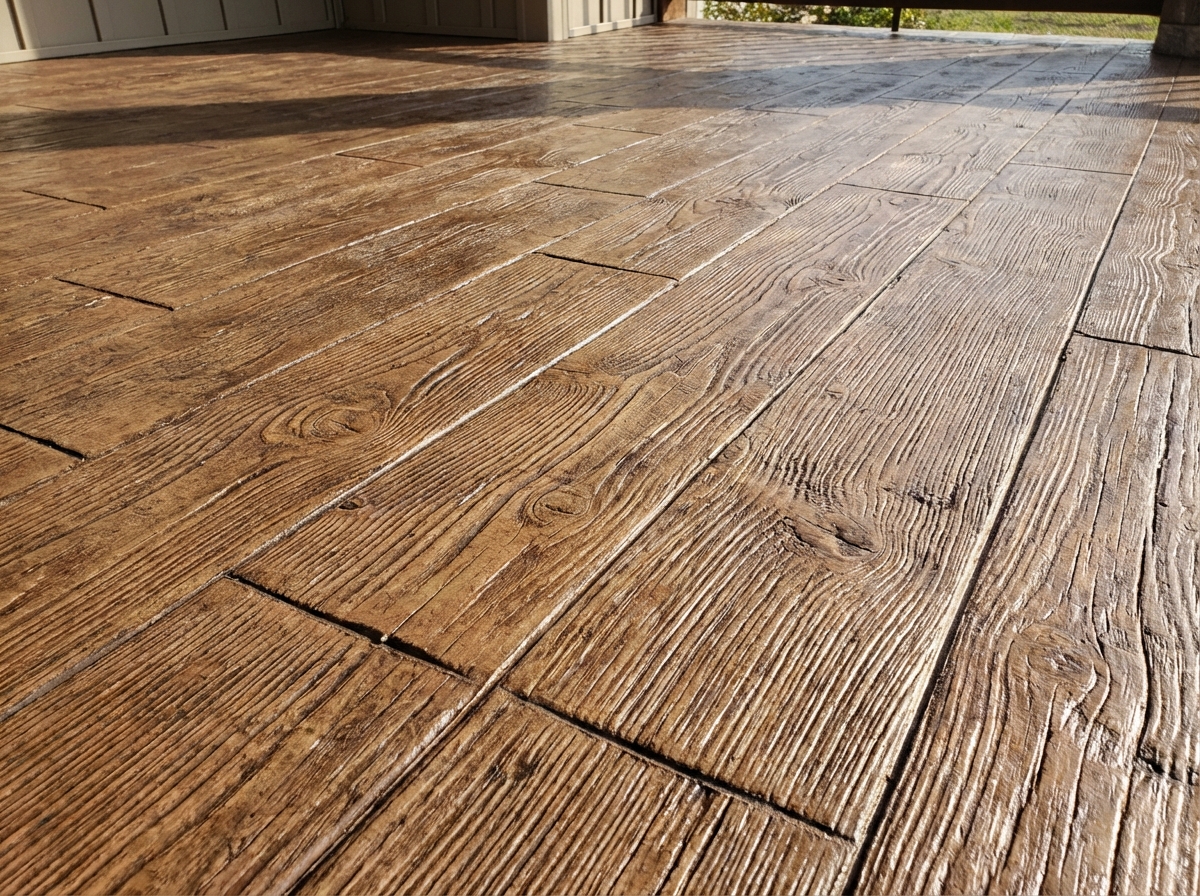
Realistic wood grain texture. Hand-tooled joints, accent staining required.
Porches & BordersBasic single-pattern stamps use one stamp mat and one release color — clean look, faster installation, lower cost. Premium multi-pattern work ($18–$25/sqft) involves multiple stamp mats, hand-tooled grout lines, integral color concrete plus accent staining, and extended labor time.
What a Real Project Costs
Real example: A 400-sqft stamped patio in Little Chute with random stone pattern and tan integral color — level site, no excavation — runs approximately $6,000–$6,800 installed ($15–$17/sqft). The same patio with premium ashlar slate and multi-tone staining costs $7,600–$9,200 ($19–$23/sqft).
Color & Extras
Color options affect price modestly. Integral color (mixed throughout) adds $1–$2/sqft but provides permanent, fade-resistant hue. Topical stains and antiquing releases add depth and variation — contractors in Menasha often combine both for realistic stone appearance.
Sealing is essential — budget $1–$2/sqft for quality acrylic or polyurethane sealer after curing. Re-sealing every 2–3 years runs $250–$600 depending on square footage.
Site Prep Add-ons
| Condition | Additional Cost |
|---|---|
| Level site, good soil | Base cost |
| Excavation required | +$2–$4/sqft |
| Old concrete demolition | +$3–$6/sqft |
| Poor drainage / clay soil | +$2–$3/sqft |
The Stamped Concrete Installation Process
Stamped concrete is timing-critical work. Once the pour starts, contractors have a 2–4 hour window before concrete hardens too much for stamping. Professional crews work fast and organized.
Site Preparation & Forming
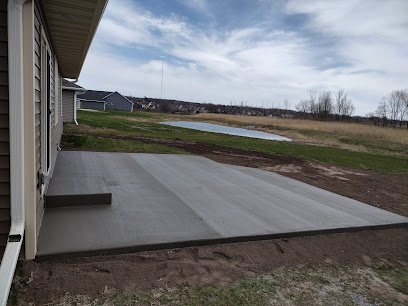
Day 1Excavation to proper depth — typically 8–10” total for driveways (4” concrete, 4–6” compacted base), 6–8” for patios. Contractors install proper base rock and compact thoroughly to prevent settling. Forms set to final grade with drainage slope. Rebar or wire mesh reinforcement goes in before the pour.
Pour, Color & Texture
Day 2Concrete trucks deliver air-entrained mix with integral color. Crew pours, screeds level, then bull-floats the surface. Timing matters — too wet and stamps sink too deep, too dry and texture won’t transfer. Color hardener or release agent goes on next, creating contrast and that weathered, antiqued look between “stones.”
Stamping & Detailing
Same Day · 2–4 Hrs After PourCrews lay stamp mats in sequence, walking on them to transfer texture into the concrete. Professional stampers match grout lines precisely between mats for seamless patterns. Hand tools refine edges and hard-to-reach areas. This is where craftsmanship shows — rushed stamping looks obviously fake.
Curing & Protection
Days 3–77 days to cure before foot traffic, longer before vehicle loads. Plastic sheeting or curing blankets protect from rain and temperature swings. Wisconsin timing is crucial: stamped work requires minimum 50°F for 7 consecutive days. Most Fox Valley contractors stop decorative pours by mid-October.
Washing & Sealing
Days 8–10Pressure wash removes excess release agent, revealing final color. Two coats of sealer go on — non-negotiable for Wisconsin climate. Quality sealers protect against freeze-thaw damage, deicing salt, UV fading, and moisture penetration. Surface develops a slight sheen (wet-look or satin, depending on sealer choice).
Total Timeline
10–14 days from excavation to sealed, ready-to-use surface. Weather delays extend this — stamped concrete cannot be poured in rain or extreme heat. Best months for Fox Valley stamped work: May–June and September–mid-October.
How to Choose a Stamped Concrete Contractor
The Fox Valley has plenty of concrete contractors. Not all of them do decorative work well. Stamping is a specialized skill — you're looking for artisan-level craftsmanship, not just someone who can pour a slab.
Portfolio and Pattern Selection
Ask to see recent completed projects in person, not just photos. Stamped concrete that's 2-3 years old shows how it weathers — you'll see if colors faded, if sealer failed, if edges crumbled. Contractors proud of their work in Shawano and Kaukauna will happily provide addresses of local jobs.
Look for:
- Seamless pattern alignment — grout lines should flow continuously, not jog or mismatch
- Consistent color depth — no blotchy areas or washed-out sections
- Clean edges and borders — hand-tooled details should look deliberate, not sloppy
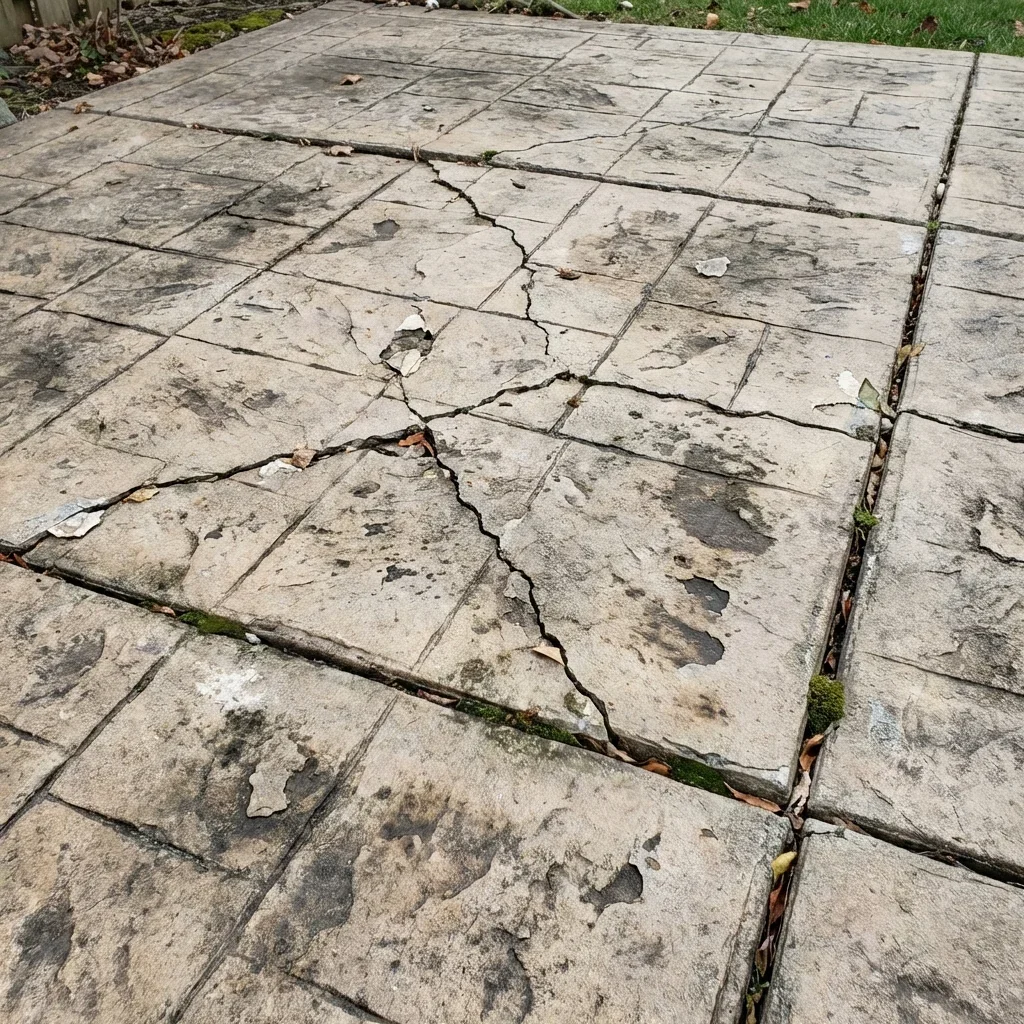
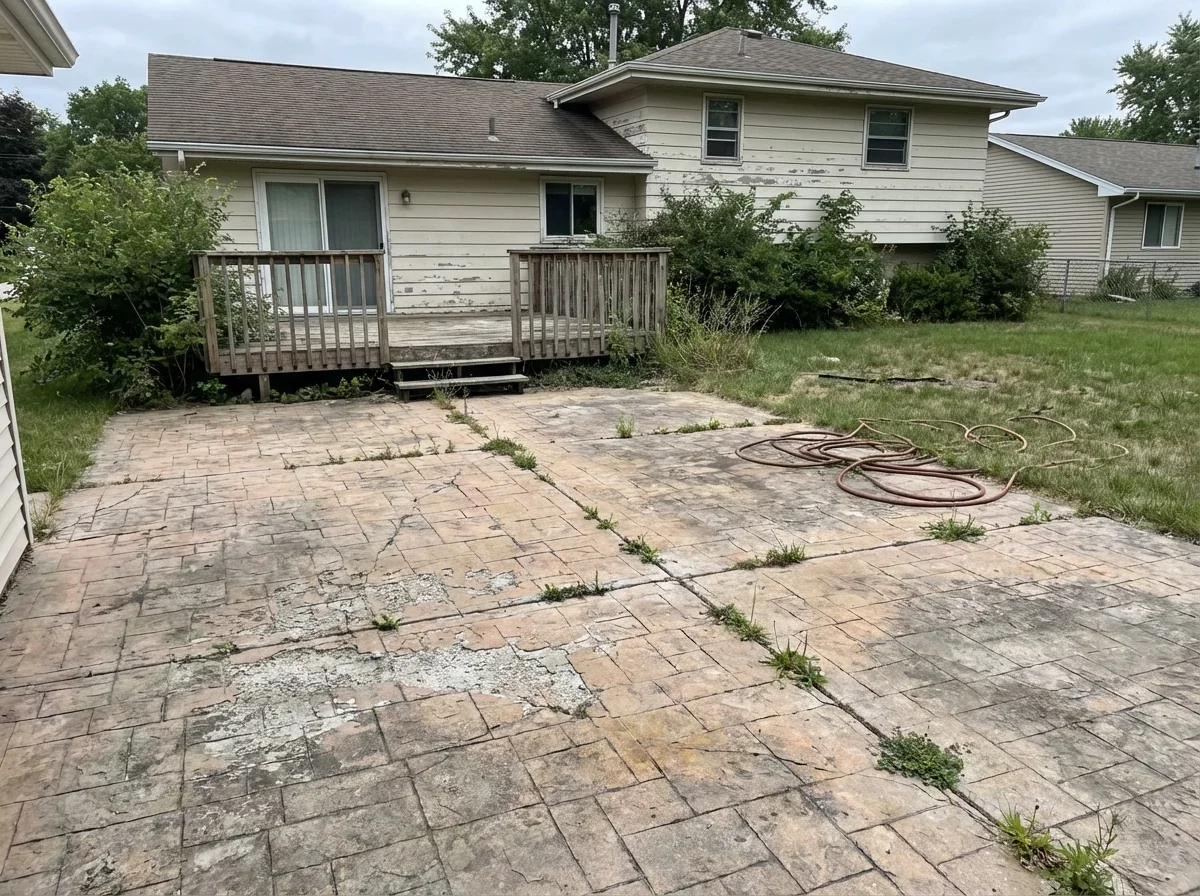
- No premature cracking — hairline cracks are normal in any concrete, but wide cracks or spalling indicate installation problems
Ask what stamp patterns they own and regularly use. Contractors renting stamps for your job are less experienced than those with full mat libraries. Quality decorative contractors invest $5,000-$15,000 in stamp inventory.
Experience with Wisconsin Climate
Not all stamped concrete techniques handle freeze-thaw cycles. Questions to ask:
- Do you use air-entrained concrete? (Answer should be yes — it's required for frost resistance)
- What sealer brand do you use, and what's the reapplication schedule? (Avoid cheap builder-grade acrylics)
- How do you handle expansion joints in large areas? (Proper joint placement prevents random cracking)
- What's your cold-weather cutoff date for pours? (Responsible contractors won't stamp after mid-October)
Warranty and Sealing Services
Expect a 3-5 year warranty on installation quality — coverage for workmanship defects, not normal wear or homeowner neglect. Some contractors in Appleton offer sealing maintenance programs: you pay upfront for 2-3 re-sealing appointments over 6-8 years at locked-in rates.
Red flags to avoid:
- Prices significantly below market ($8-10/sqft for stamped work — corners are being cut somewhere)
- Unwillingness to show local references or completed projects
- Pressure to decide immediately or "today-only" pricing
- No mention of sealing or "sealing is optional" (it's not — unsealed stamped concrete fails fast)
- Starting decorative pours in November or December (cure time won't happen before freeze)
Get three quotes minimum. Compare not just price, but pattern quality, sealer specs, and cure/protection plans. The Fox Valley directory connects you with decorative concrete specialists who understand the local climate and have portfolios of finished work throughout Neenah, Oshkosh, and surrounding areas. Check reviews, compare pattern options, and request detailed quotes before choosing your contractor.
Frequently Asked Questions
The 1/2/3 rule is a standard concrete mix ratio used for general-purpose residential concrete work. It means 1 part cement, 2 parts sand, and 3 parts aggregate (gravel). This ratio produces concrete with compressive strength around 3,000–4,000 PSI, suitable for driveways, patios, sidewalks, and garage floors.
Common mix ratios and their uses:
- 1:2:3 — Standard residential concrete (driveways, patios, sidewalks). ~3,500 PSI
- 1:2:2.5 — Higher strength (garage floors, slabs under load). ~4,000–4,500 PSI
- 1:1.5:2.5 — High-strength concrete (commercial or heavy-duty). 5,000+ PSI
- Custom mixes — Ready-mix suppliers adjust ratios for specific project requirements and local conditions
Related Articles
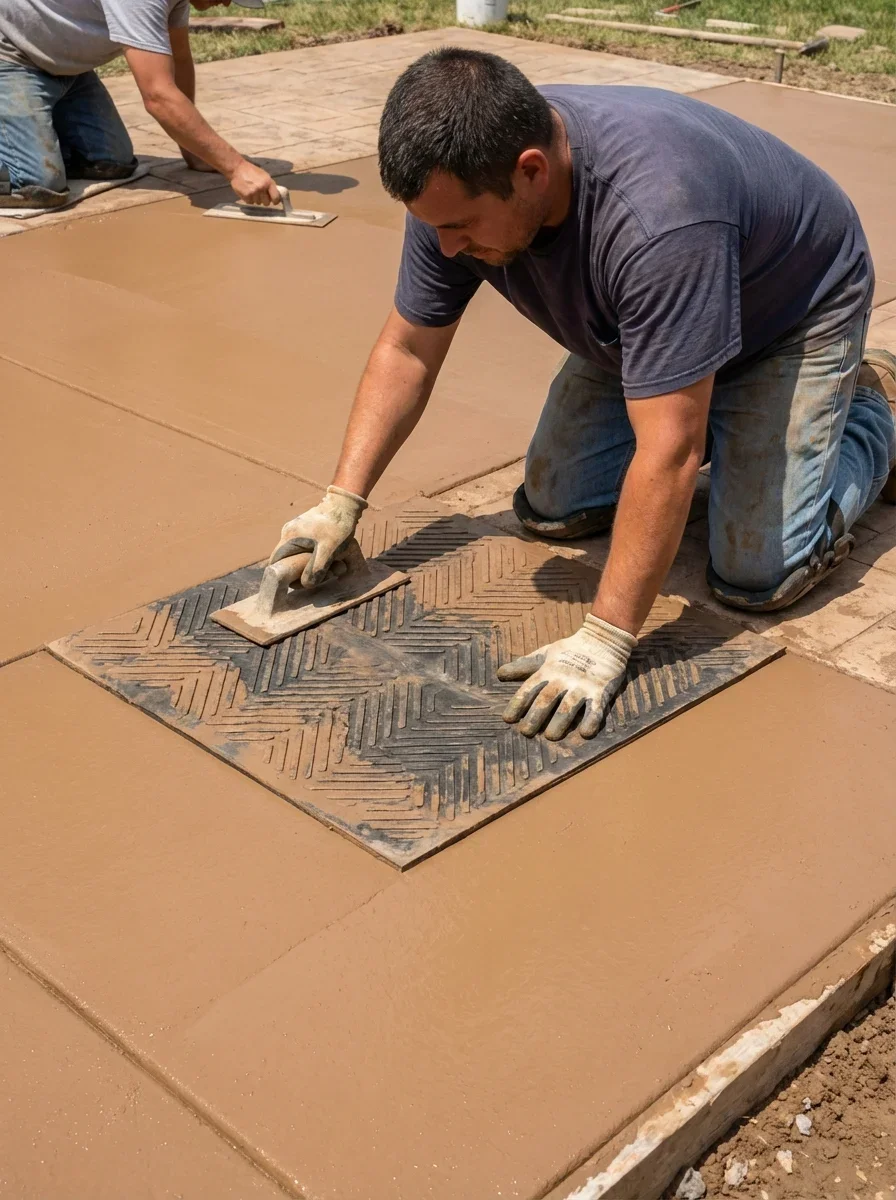
Stamped Concrete: Patterns, Costs & Finding the Right Contractor
Find qualified stamped concrete contractors. Learn about pattern options, color systems, installation requirements, and what quality stamped work costs.
Read Guide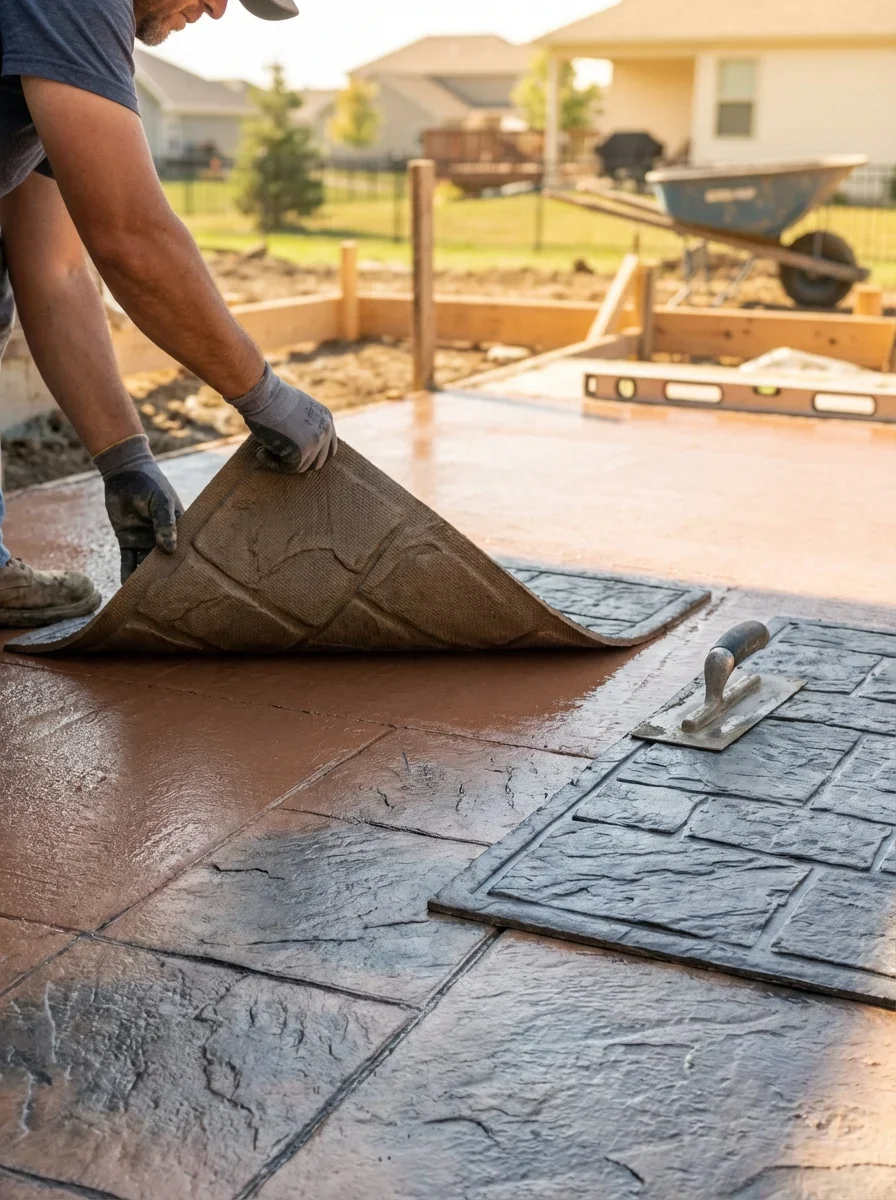
Stamped Concrete vs. Pavers vs. Regular Concrete: A Homeowner's Comparison
Compare stamped concrete, pavers, and standard concrete for patios. Learn cost differences, durability, maintenance, and when contractors recommend each option.
Read Guide
Residential Concrete Costs: What Small Jobs Really Cost
Small concrete projects have different pricing than large pours. Learn why contractors charge minimum fees, what drives small job costs, and how to get fair quotes.
Read Cost Guide
Residential Concrete Contractors: Services, Costs & How to Hire
Connect with licensed residential concrete contractors in Fox Valley. Compare quotes for driveways, patios, sidewalks, and more. Free estimates from vetted pros.
Read Guide
How Much Do Concrete Contractors Cost? Pricing Guide
Understand concrete contractor pricing in Fox Valley. Learn what drives costs, regional price ranges, and how to compare quotes from licensed professionals.
Read Cost Guide
Innovative Techniques and Technologies in Concrete Construction
Discover advanced concrete techniques and technologies available from today's contractors: from self-healing concrete to 3D texturing and eco-friendly mixes.
Read Guide
How to Choose the Right Concrete Contractor for Your Project
Learn what separates quality concrete contractors from the rest. Licensing, insurance, experience, equipment, and questions to ask before hiring for your project.
Read Guide