


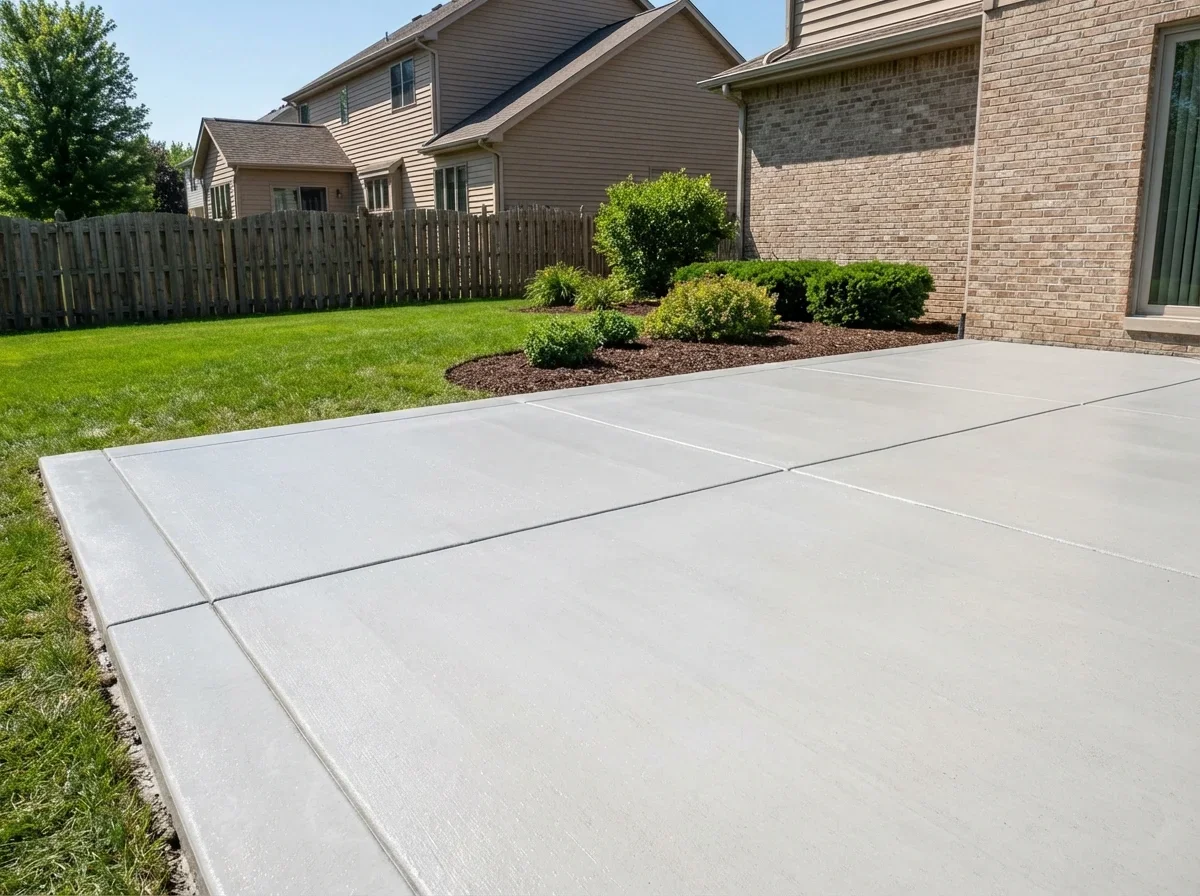
Why Your Next Project Needs the Right Slab
You've been planning this garage for two years. You've got the permits pulled, the blueprints finalized, and a framer lined up. But right now, you're standing in your backyard staring at dirt and realizing this slab decision affects everything that comes next.
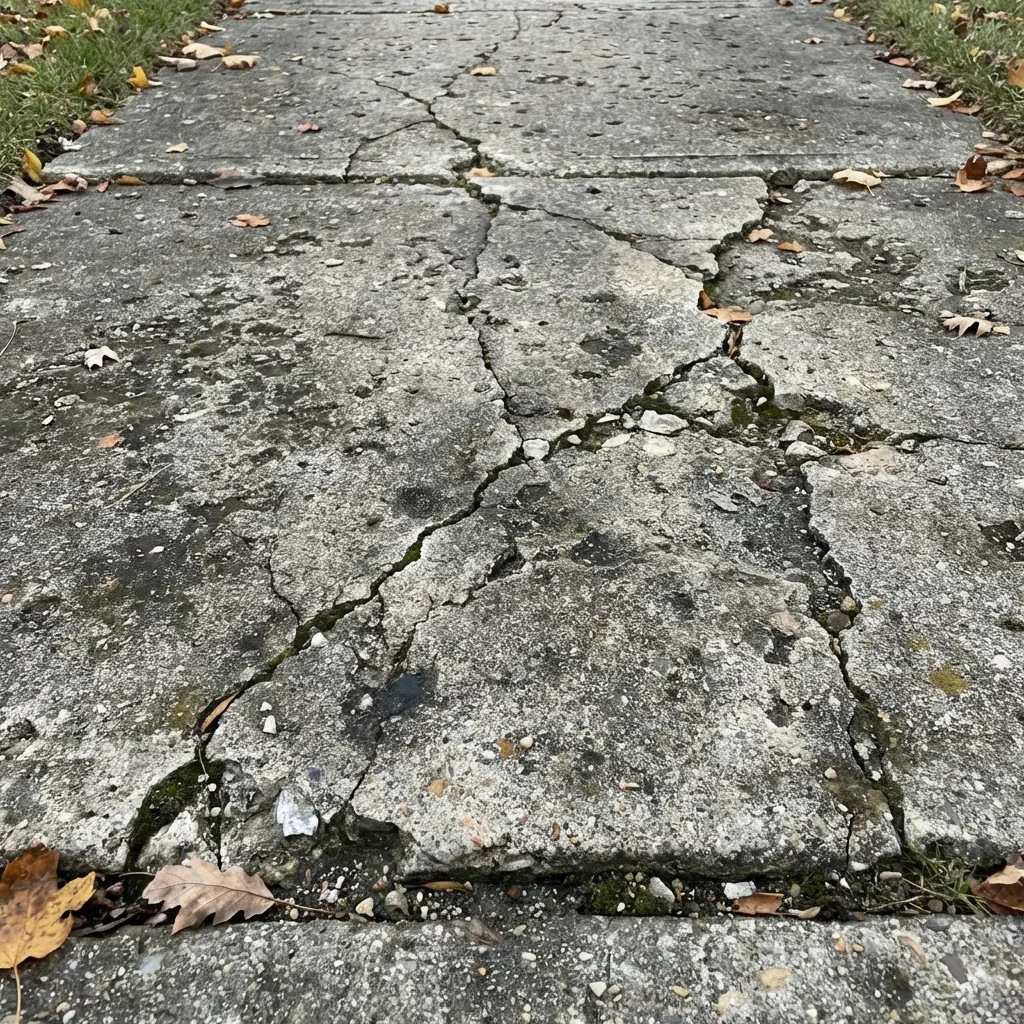
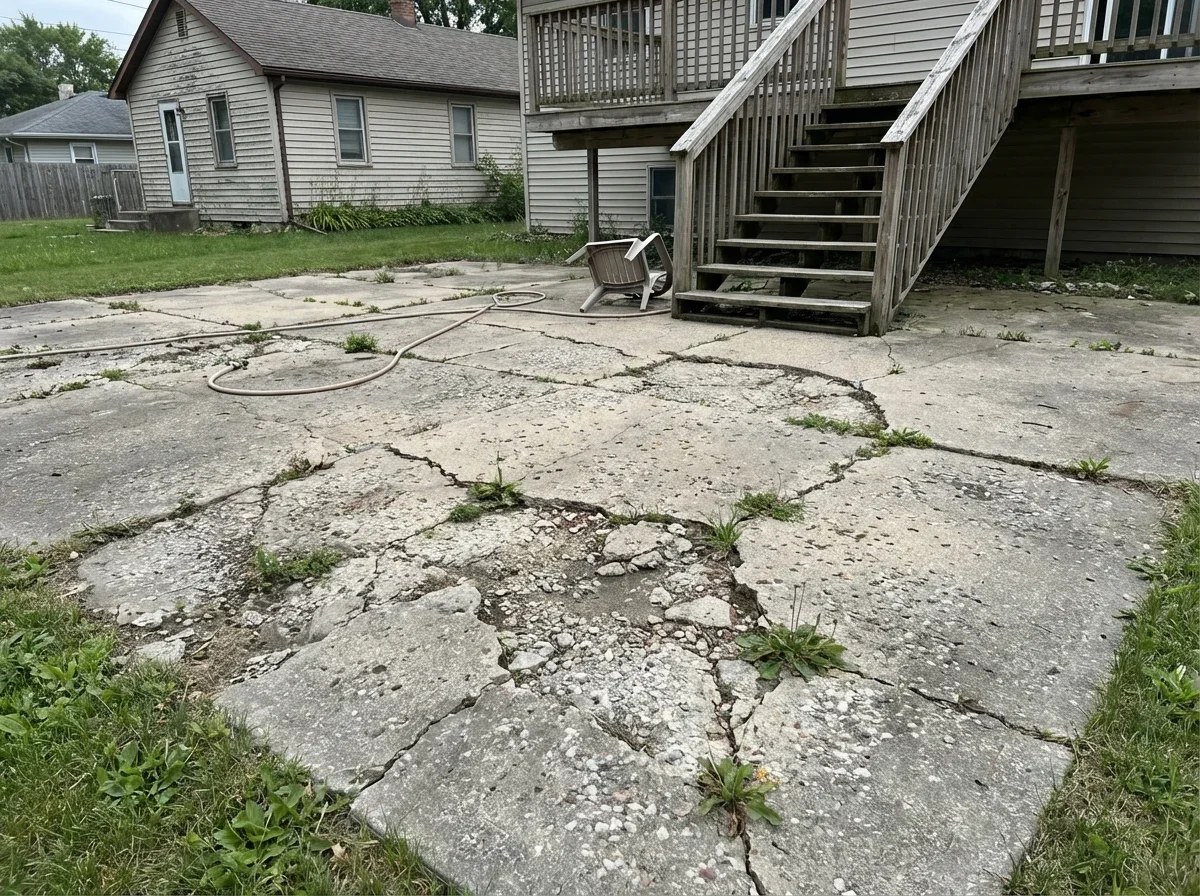
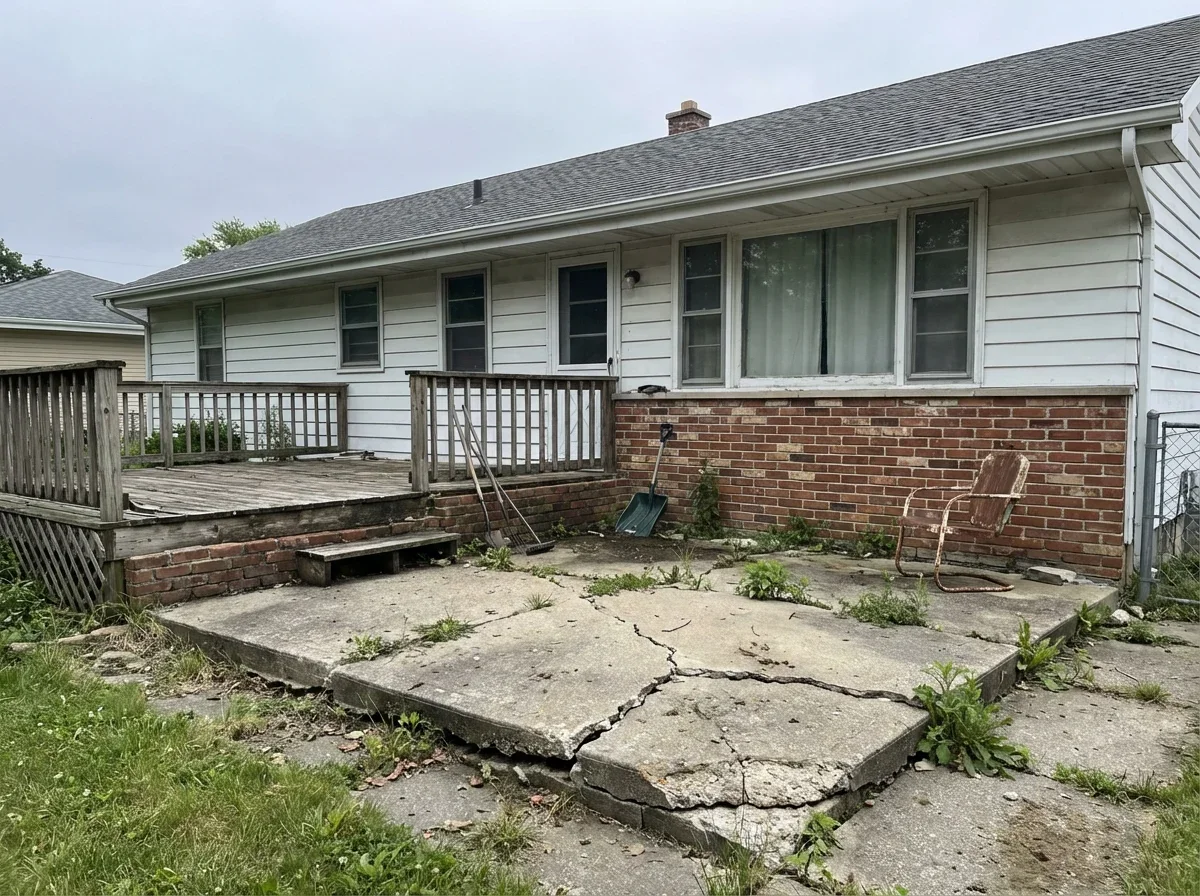
Get this wrong and you're building on a problem. A 3-inch pad might look fine today, but when you drive your truck onto it next winter, you'll see cracks spiderwebbing from the center. A slab without proper base prep will sink at the corners by spring. And a contractor who doesn't understand Wisconsin's 48-inch frost line? You'll be dealing with heave and separation before you finish the build.
This is your foundation. Everything you're investing in—the structure, the finish work, the equipment you'll store—sits on this decision. Most slab failures in Green Bay and Appleton happen because someone tried to save $800 by skipping the gravel base or thinning the pour.
The difference between a shed pad and a garage slab isn't just thickness. It's engineering. Shed pads handle 15 pounds per square foot—basically storage weight and occasional foot traffic. Garage slabs handle 150+ pounds per square foot—vehicles, toolboxes, welders, the concentrated load of jack stands under your project car.
You're also building for movement. Clay soils across the Fox Valley expand when wet and shrink when dry. Without a proper base course, your slab follows that movement. Wisconsin code requires 4 inches of compacted gravel under residential slabs for a reason—it's a buffer zone that prevents the seasonal ground shift from transferring into your concrete.[1]
Then there's drainage. A flat slab in Neenah means standing water every spring thaw. Proper contractors slope the base and finished surface at 1/4 inch per foot minimum so water moves away from the structure instead of pooling against your foundation.[2]
This isn't a weekend DIY. The excavation equipment, the compaction tools, the laser screeding, the finishing expertise—garage slabs require gear and knowledge most homeowners don't have. And unlike a patio you can break up and redo, a structural slab is permanent. You get one shot.
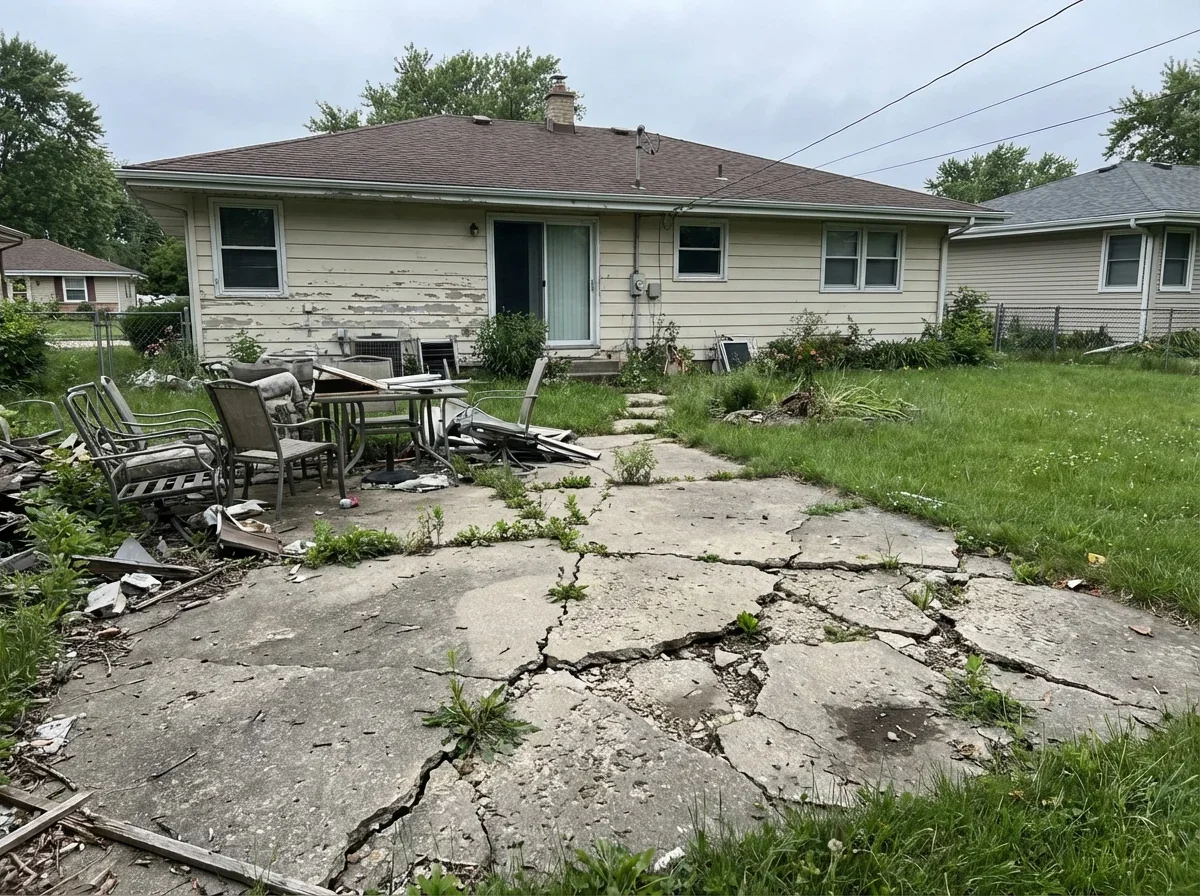
What Does a Concrete Slab Cost in the Fox Valley?
The question everyone asks first: "How much for a 24×24 garage slab?" In the Fox Valley, you're looking at $4,600–$7,000 for that specific project. But that number moves based on thickness, reinforcement, site conditions, and whether you're building something that needs to pass code inspection.
Here's how slab pricing breaks down by project type:
| Project Type | Typical Size | Thickness | Price Range | What's Included |
|---|---|---|---|---|
| Shed Pad | 10×12 to 12×16 | 4 inches | $720–$1,540 | Gravel base, wire mesh, basic finish |
| Garage Slab | 20×24 to 24×24 | 6 inches | $4,600–$7,000 | Thickened edges, rebar grid, vapor barrier |
| Shop/Pole Barn | 30×40 to 40×60 | 6 inches | $8,600–$17,300 | Perimeter footings, heavy reinforcement, control joints |
| Foundation Slab | Varies | 4–6 inches | $8–$14/sqft | Frost footings, code compliance, insulation options |
Slab Size and Thickness
The math is straightforward: square footage × thickness × reinforcement level. A 4-inch shed pad in Oshkosh runs $6–$8 per square foot installed. Bump that to 6 inches with rebar for a garage and you're at $9–$12 per square foot.
Thickness isn't negotiable for vehicle loads. Wisconsin contractors see cracking and failure on under-spec'd slabs constantly. A 4-inch slab might hold a riding mower, but park a pickup truck on it daily and you'll have stress cracks within a year. Garage slabs need 6 inches minimum—more if you're storing heavy equipment or planning a lift.
Thickened edges add cost but prevent the most common failure point. Most garage slabs use an 18-inch-wide × 12-inch-deep footer around the perimeter. That's an extra $4–$6 per linear foot, but it's what keeps your overhead door from binding when the slab edges settle differently than the center.
Reinforcement and Base Preparation
The rebar grid in your garage slab costs $200–$400 but it's what holds everything together when the ground shifts. Wire mesh is fine for sheds—it costs $60–$120 and handles light loads. But vehicle slabs need #4 rebar on 18-inch centers in both directions.
Base prep is where you'll see the biggest cost variation. A site in Little Chute with good drainage and sandy soil might need just 4 inches of compacted gravel. A lot in De Pere with clay soil and poor drainage could need 6 inches of gravel, perimeter drains, and additional excavation—that's an extra $800–$1,500.
Vapor barriers run $0.50–$0.80 per square foot. Every garage slab should have one. It prevents ground moisture from wicking up through the concrete, which causes efflorescence (that white powdery surface buildup) and makes floor coatings fail.
Seasonal and Site Factors
Pour timing affects cost in Wisconsin. Summer pours (June–August) are standard pricing. Spring and fall pours when temperatures swing between 40°F and 80°F might add 10–15% for cold-weather additives and curing blankets. Winter pours are possible but expensive—figure 25–40% premium for heated enclosures and accelerators.
Site access matters too. If concrete trucks can't get within 150 feet of your pour site, you're paying for a pump truck—that's $600–$900 in Kaukauna. Sloped sites requiring significant excavation or fill add $1,200–$3,000 depending on how much dirt needs moving.
The Slab Installation Process
A garage slab takes 10–14 days from excavation to ready-to-build, with most of that time spent curing. Understanding each phase helps you plan the rest of your project timeline and catch problems before concrete gets poured.
Site Preparation and Excavation
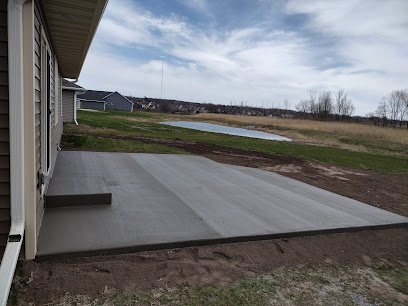
Day one is excavation and rough grading. The contractor removes topsoil and digs down 10–12 inches below final grade—deeper if they're adding perimeter footings. This is when you find out about drainage problems, buried stumps, or unsuitable soil.
If they hit clay or fill dirt with low bearing capacity (less than 2,000 pounds per square foot), you need additional base depth or compaction work.[3] Good contractors in Greenville and Seymour check bearing capacity before bidding, but surprises happen. Budget a 10% contingency for unexpected site conditions.
The excavation should extend 12 inches beyond the slab footprint on all sides. That gives room for forms and ensures proper edge support. Slopes should direct water away from the slab at 1/4 inch per foot minimum—that's 6 inches of fall on a 24-foot garage.[2]
Forms, Base Material, and Reinforcement
Days 2–3 are base prep and forming. The contractor brings in crushed gravel or Class 5 road base and spreads it in lifts—usually two 3-inch layers for a 6-inch base. Each lift gets compacted with a plate tamper or roller. You'll see them water it and compact multiple passes. That's intentional—proper compaction prevents settling.
Forms go up next—dimensional lumber (2×6 for 4-inch slabs, 2×8 for 6-inch) staked every 3–4 feet. They'll use a laser level to set precise heights and slopes. Control joint locations get marked now, before the pour.
Reinforcement goes in on dobies (plastic supports) that hold rebar or mesh at mid-height of the slab. For a 6-inch garage slab, that means 3 inches off the base. Vapor barrier (6-mil polyethylene) goes down last, lapped 12 inches at seams and sealed.
Pouring, Finishing, and Curing
Pour day is controlled chaos. Concrete trucks arrive on a schedule—they can't wait more than 90 minutes or the load starts setting. For a 24×24 garage, that's roughly 11 cubic yards, usually delivered by two trucks.
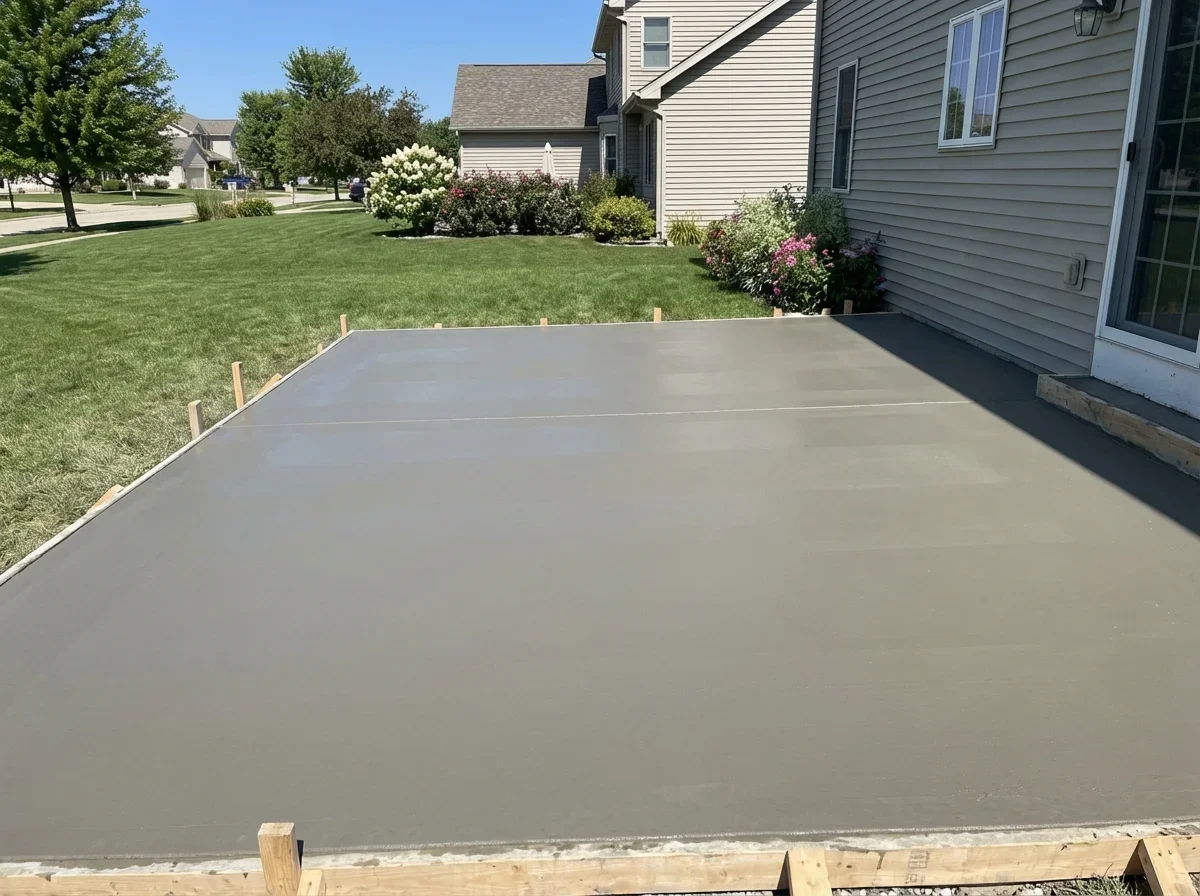
The crew screeds the concrete level using the forms as guides, then bull floats the surface smooth. As bleed water evaporates, they'll run an edger around the perimeter and cut control joints with a groover. Final troweling happens when the surface firms up—timing depends on temperature and humidity. In Wisconsin's variable spring weather, that might be 2 hours or 6 hours after the pour.
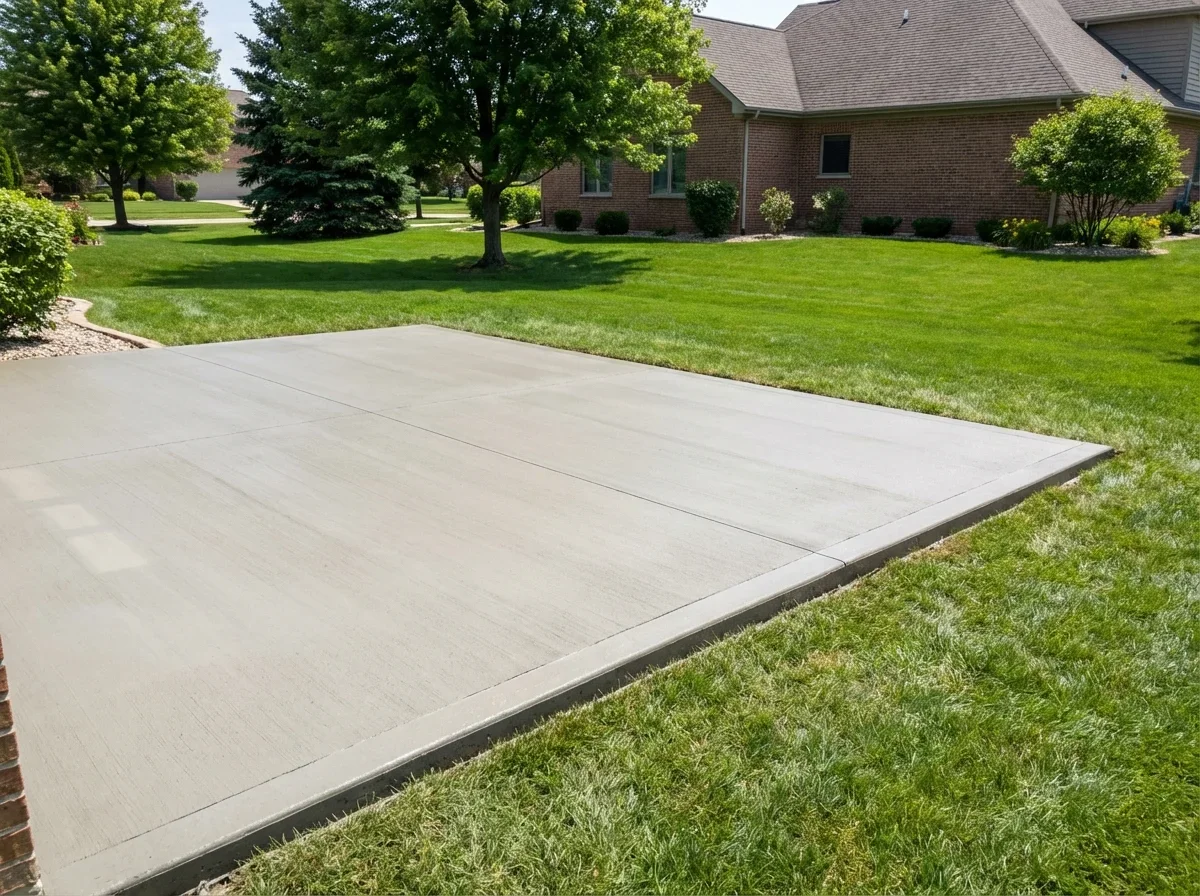
Finishing texture matters for your use case. A broom finish (standard for garages) provides traction when wet. Trowel-smooth finishes look cleaner but get slippery and show every imperfection. Talk to your contractor about intended use before they start finishing.
Curing is the longest phase. The slab needs to stay moist for 7 days minimum. Contractors typically spray curing compound (looks like a milky coating) right after finishing. In hot weather, they'll lay plastic sheeting or wet burlap to slow evaporation.
You can walk on the slab after 24–48 hours. Light use (moving tools, continuing framing) is fine after 7 days. Full vehicle loads should wait 28 days for complete strength development. Rushing this timeline is the #1 cause of premature cracking in new slabs across the Fox Valley.
How to Choose a Concrete Slab Contractor
The difference between a $5,000 slab that lasts 30 years and a $4,400 slab that cracks in 3 years isn't the concrete—it's the contractor's attention to Wisconsin-specific site prep and engineering details.
Licensing and Foundation Experience
Wisconsin doesn't require a specific concrete license, but commercial contractors need a Dwelling Contractor Qualifier credential from DSPS for residential foundation work. Ask if they're familiar with Wisconsin SPS 321 residential code requirements—that's the baseline for knowing proper slab specifications.[1]
Look for contractors who've poured 50+ slabs in the Fox Valley specifically. Our soil conditions—clay content, frost depth, seasonal water tables—are different from northern Wisconsin or the Milwaukee area. A Green Bay contractor understands De Pere drainage issues in ways a general concrete guy from out of region doesn't.
Ask about their rebar supplier and whether they use chairs/dobies to position reinforcement properly. Rebar sitting on the vapor barrier (instead of mid-slab) provides almost zero structural benefit. It's a detail that separates experienced crews from guys who usually pour driveways.
Site Assessment and Drainage Planning
Good contractors visit your site before quoting. They should probe soil conditions, note slope and drainage patterns, and ask about adjacent structures. Red flag: quotes generated from a phone call or satellite photo.
Questions to ask during the site visit:
- What's your base depth recommendation for my soil type and how did you determine it?
- How will you handle water that currently pools in this area?
- Do you compact base material in lifts, and what's your target density?
- What's your plan if you hit unsuitable soil or groundwater during excavation?
Watch how they answer drainage questions specifically. Every lot in Menasha and Shawano has a low spot—water has to go somewhere. The contractor should explain grading strategy, not just say "we'll slope it away from the garage."
Contract Details and Warranty Coverage
Get the specification in writing: slab thickness, base depth, reinforcement type and spacing, vapor barrier, finish type, control joint placement. Concrete work is permanent—verbal agreements mean nothing when you're staring at cracks a year later.
Warranty should cover structural cracking (wider than 1/8 inch) for at least 2 years, with clear language about what's excluded. Hairline cracks under 1/8 inch are normal—concrete shrinks slightly as it cures. Settlement cracks, edge failures, or surface scaling from improper finishing should be warranty items.
Price matters, but the gap between $8/sqft and $11/sqft usually reflects base prep quality, proper reinforcement, and warranty backing. A Kaukauna contractor who's been in business 15+ years and warranties his work for 3 years isn't cutting corners. The guy who's $2/sqft cheaper and won't put warranty terms in writing probably is.
Ask about their pour schedule flexibility. Wisconsin weather is unpredictable—a solid contractor has relationships with suppliers and can adapt when forecasts change. You want someone who'll postpone a pour if conditions aren't right, not rush it because trucks are already dispatched.
The best slab contractors in the Fox Valley treat your garage like a foundation project, not a sidewalk. They're thinking about what you're building on top of that concrete, not just meeting a square footage price point. That's the difference worth paying for.
Frequently Asked Questions
Yes, rebar is highly recommended for most concrete projects, though it depends on the application:
- Structural elements (walls, columns, beams, foundations) — Rebar is essential to bear heavy loads and prevent cracking and failure.
- Driveways & parking lots — Rebar or wire mesh is strongly advised to handle vehicle traffic, freeze-thaw cycles, and settlement without cracking.
- Patios & sidewalks — Wire mesh or light rebar reduces surface cracking from settling and temperature swings; optional but cost-effective.
- Decorative/stamped concrete — Rebar is still recommended underneath to prevent structural failure, even if the surface is ornamental.
In Wisconsin's freeze-thaw climate, reinforcement is especially important to extend slab lifespan 10–15+ years.
- Wisconsin Legislative Documents. "SPS 321.20 - Concrete floors." https://docs.legis.wisconsin.gov/document/administrativecode/SPS%20321.18(4). Accessed February 10, 2026.
- Wisconsin Ready Mixed Concrete Association. "Six Steps to Quality - Wisconsin Ready Mixed Concrete Association." https://wrmca.com/consumer/consumer-information/six-steps-to-quality/. Accessed February 10, 2026.
- Wisconsin Department of Safety and Professional Services (DSPS). "State of Wisconsin acceptable slab on grade for pier foundations." https://dsps.wi.gov/Documents/Programs/UDC/UDC2140ManfSlab.pdf. Accessed February 10, 2026.
Related Articles
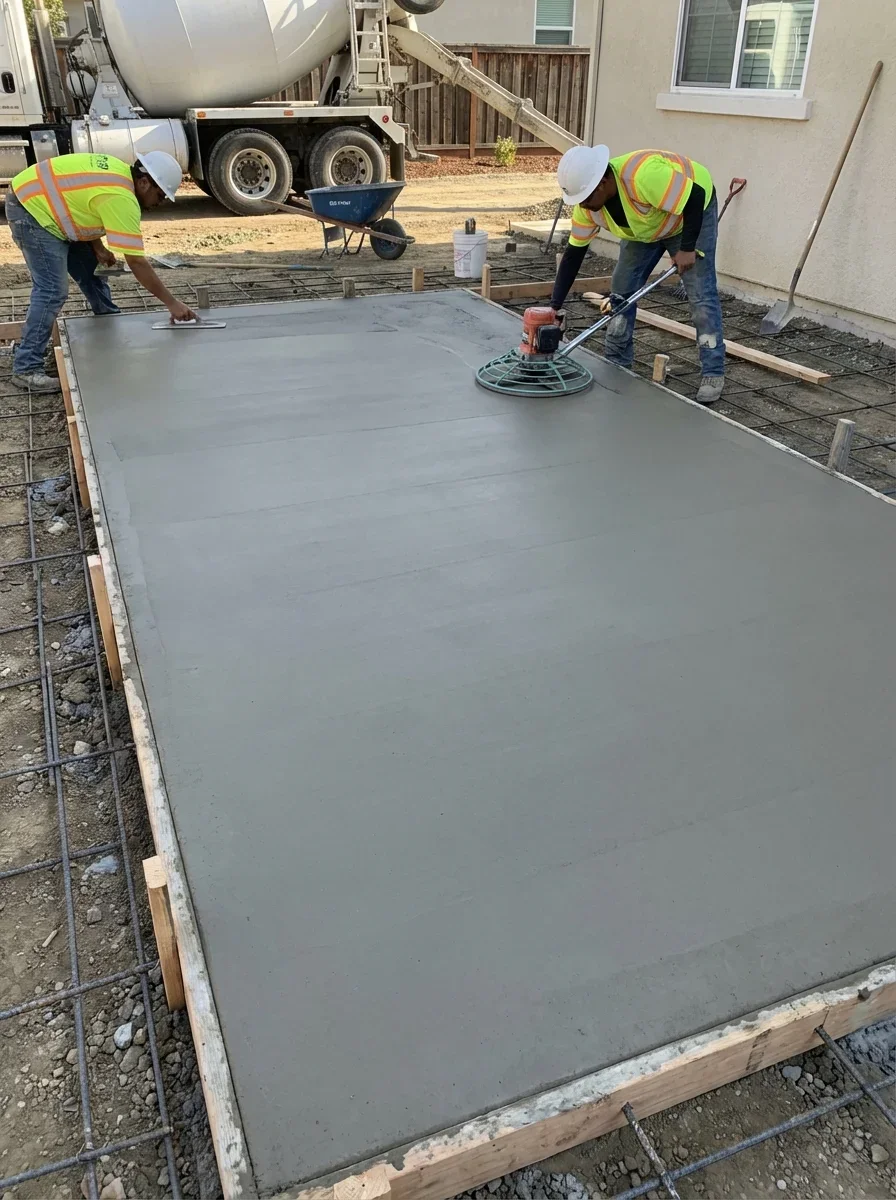
Concrete Slab Contractors: Slabs for Sheds, Garages & More
Connect with qualified concrete slab contractors for garage pads, shed foundations, and more. Compare licensed pros, understand costs, and hire with confidence.
Read Guide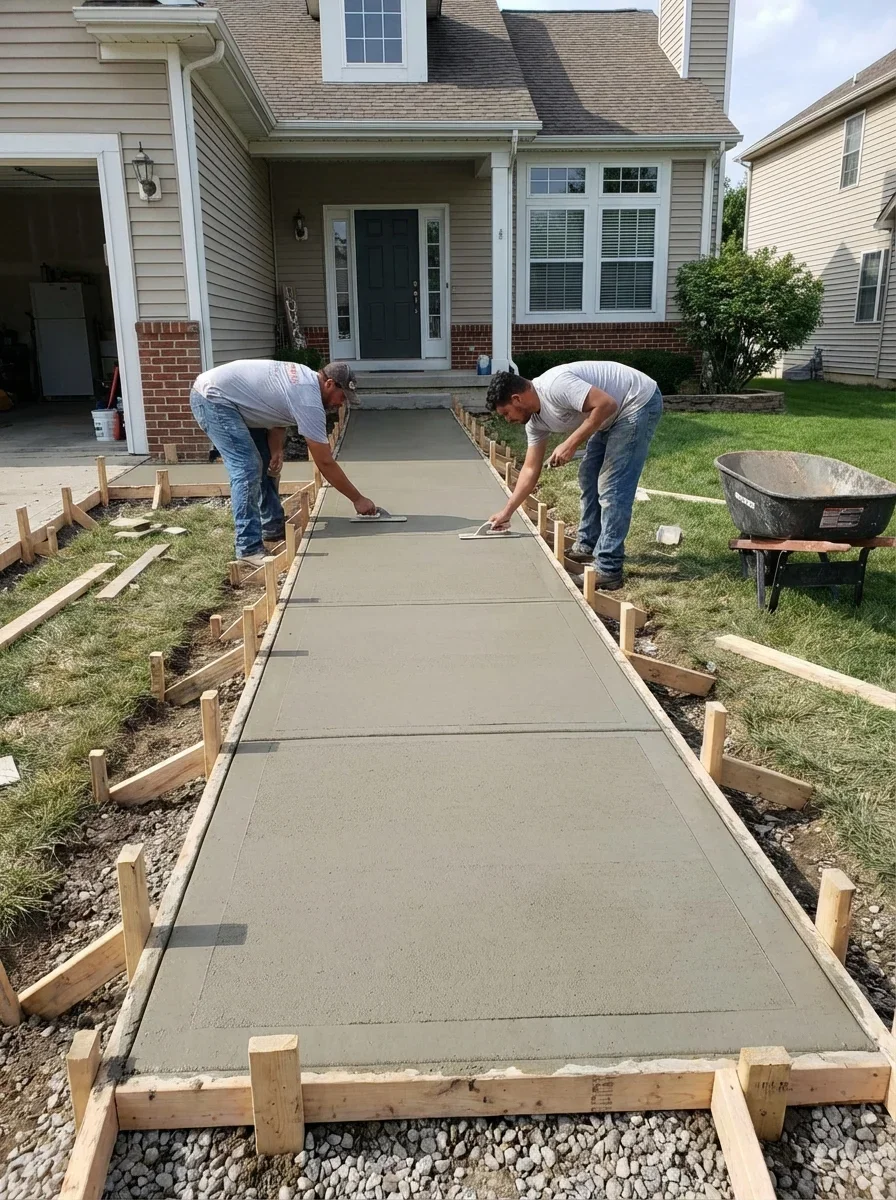
Residential Concrete Contractors: Services, Costs & How to Hire
Connect with licensed residential concrete contractors in Fox Valley. Compare quotes for driveways, patios, sidewalks, and more. Free estimates from vetted pros.
Read Guide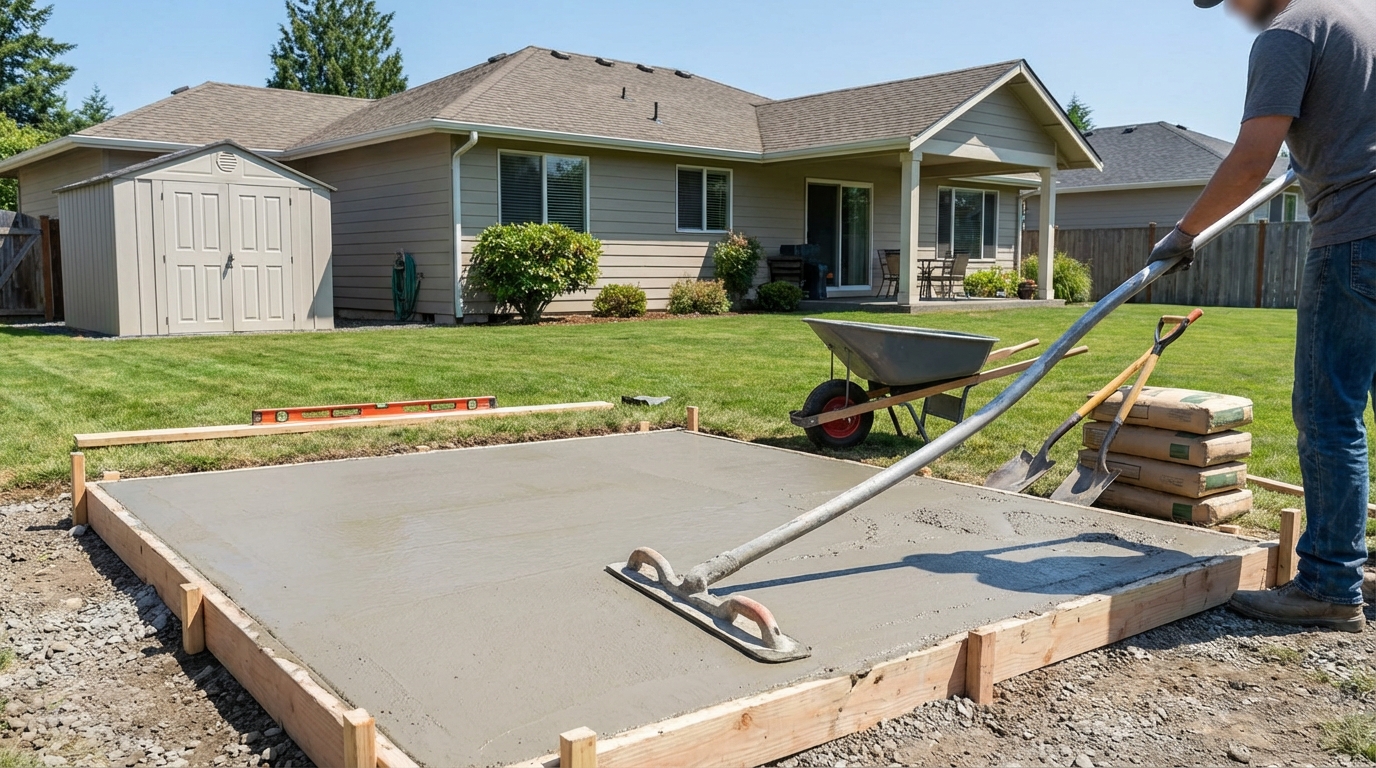
Residential Concrete Costs: What Small Jobs Really Cost
Small concrete projects have different pricing than large pours. Learn why contractors charge minimum fees, what drives small job costs, and how to get fair quotes.
Read Cost Guide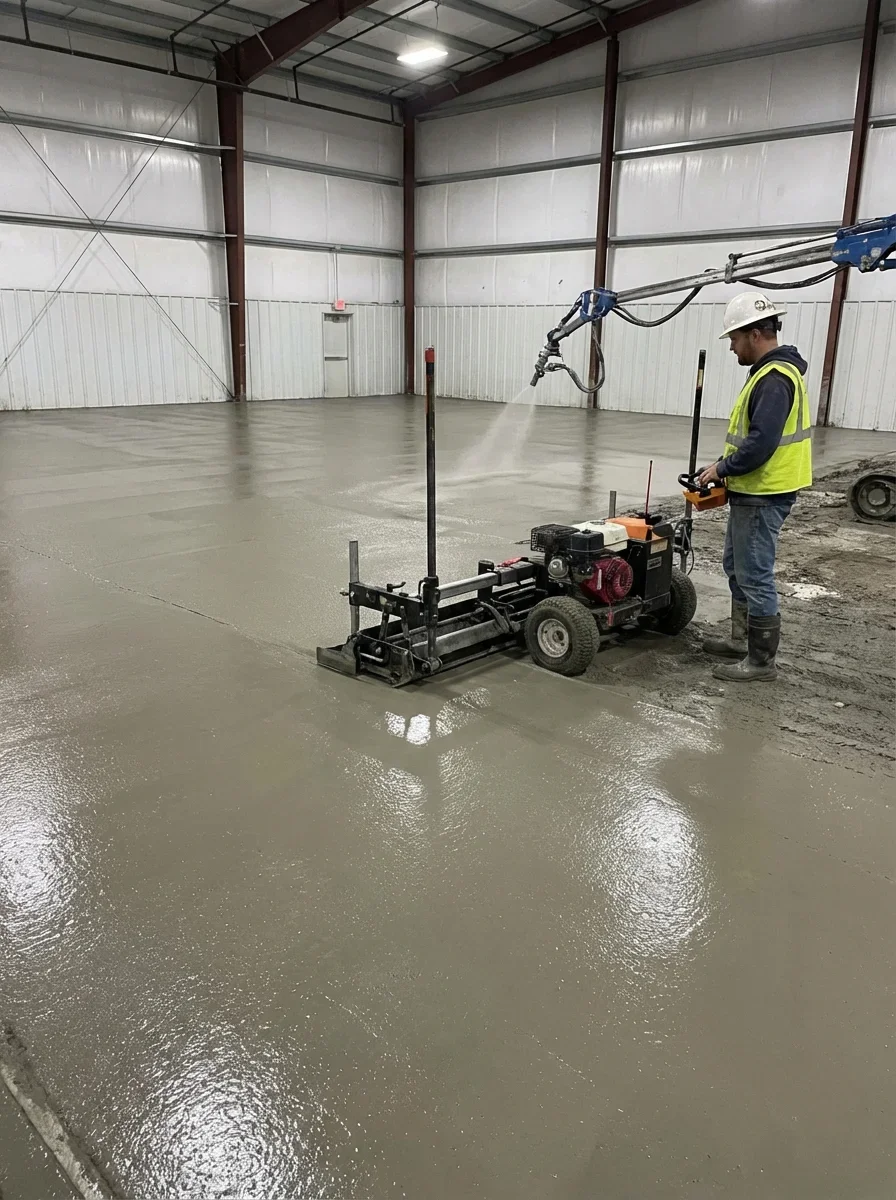
Innovative Techniques and Technologies in Concrete Construction
Discover advanced concrete techniques and technologies available from today's contractors: from self-healing concrete to 3D texturing and eco-friendly mixes.
Read Guide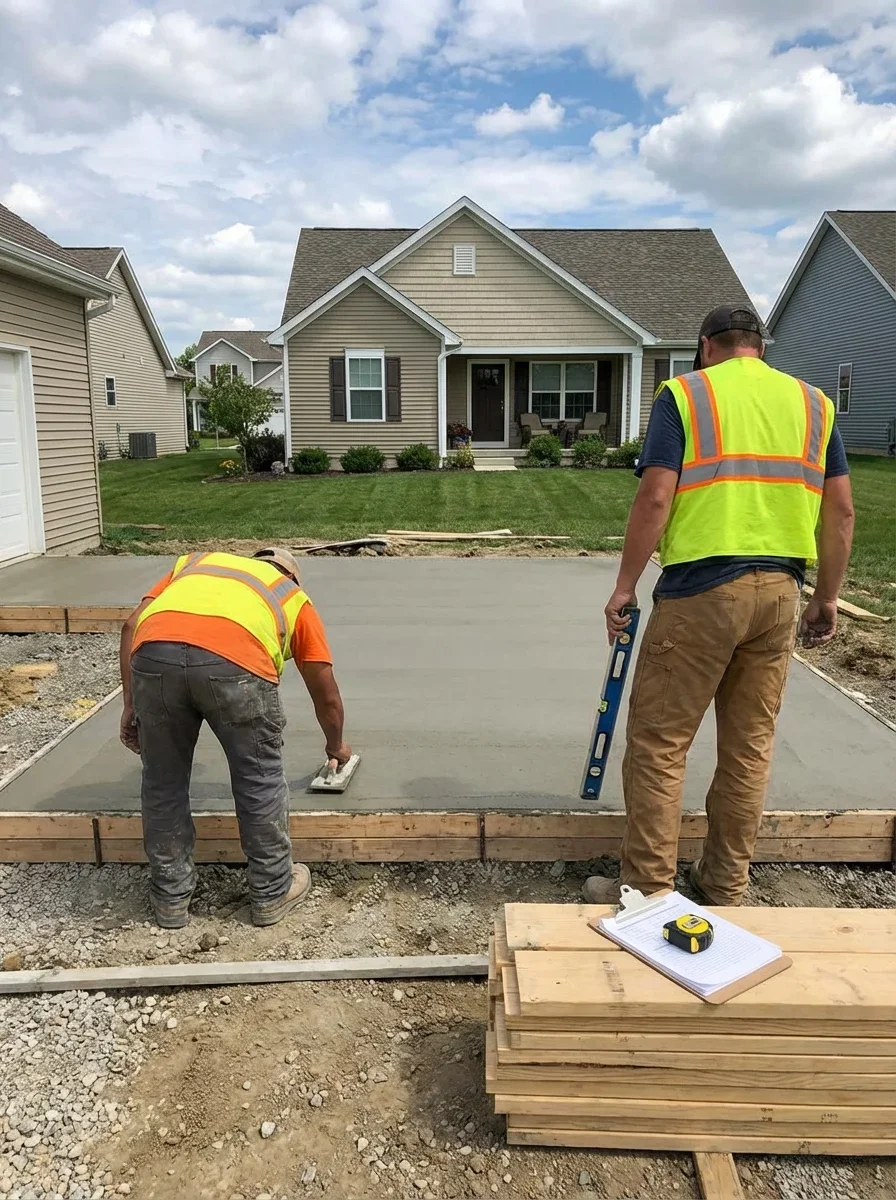
How Much Do Concrete Contractors Cost? Pricing Guide
Understand concrete contractor pricing in Fox Valley. Learn what drives costs, regional price ranges, and how to compare quotes from licensed professionals.
Read Cost Guide
How to Choose the Right Concrete Contractor for Your Project
Learn what separates quality concrete contractors from the rest. Licensing, insurance, experience, equipment, and questions to ask before hiring for your project.
Read Guide
Licensing and Insurance: What to Verify Before Hiring a Concrete Contractor
Learn what credentials to verify before hiring a concrete contractor in Wisconsin. Understand licensing requirements, insurance types, and how to protect yourself.
Read Guide