

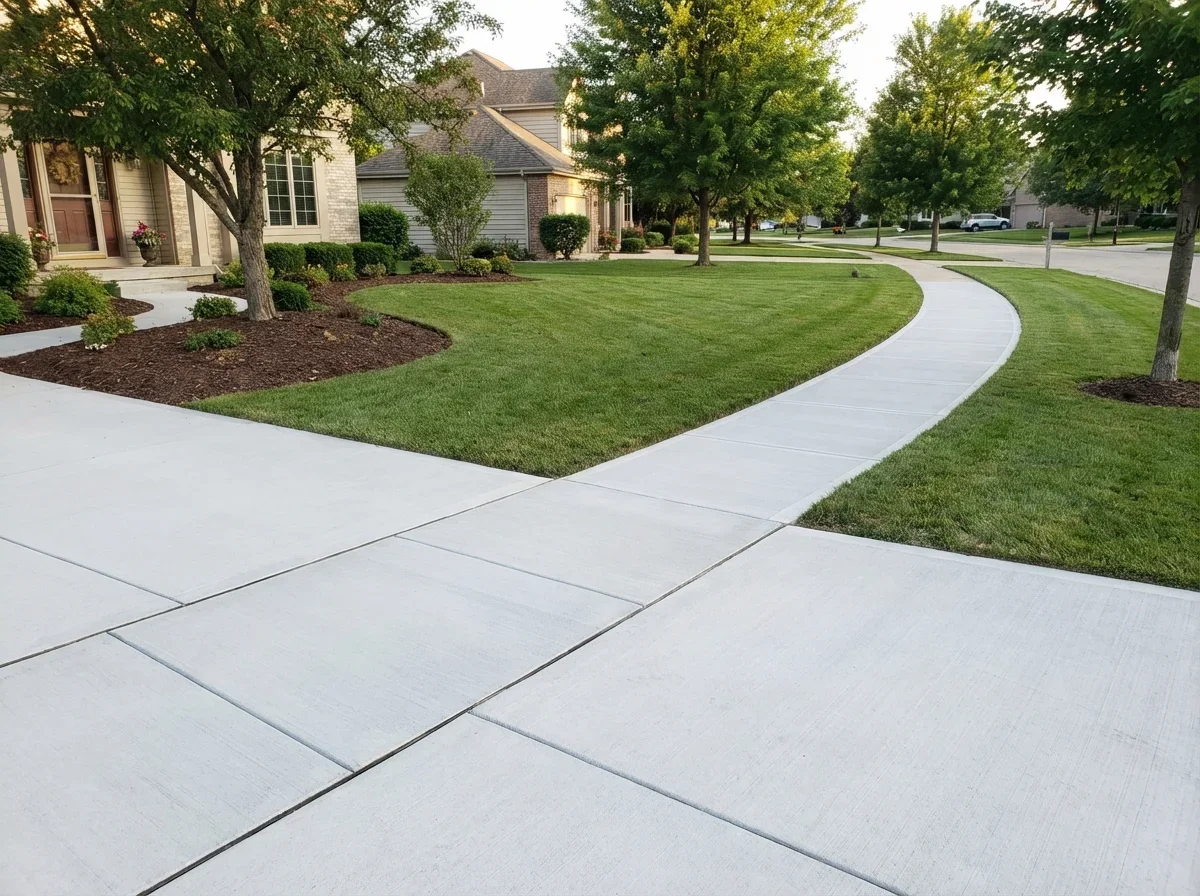
When Your Sidewalk Starts Failing
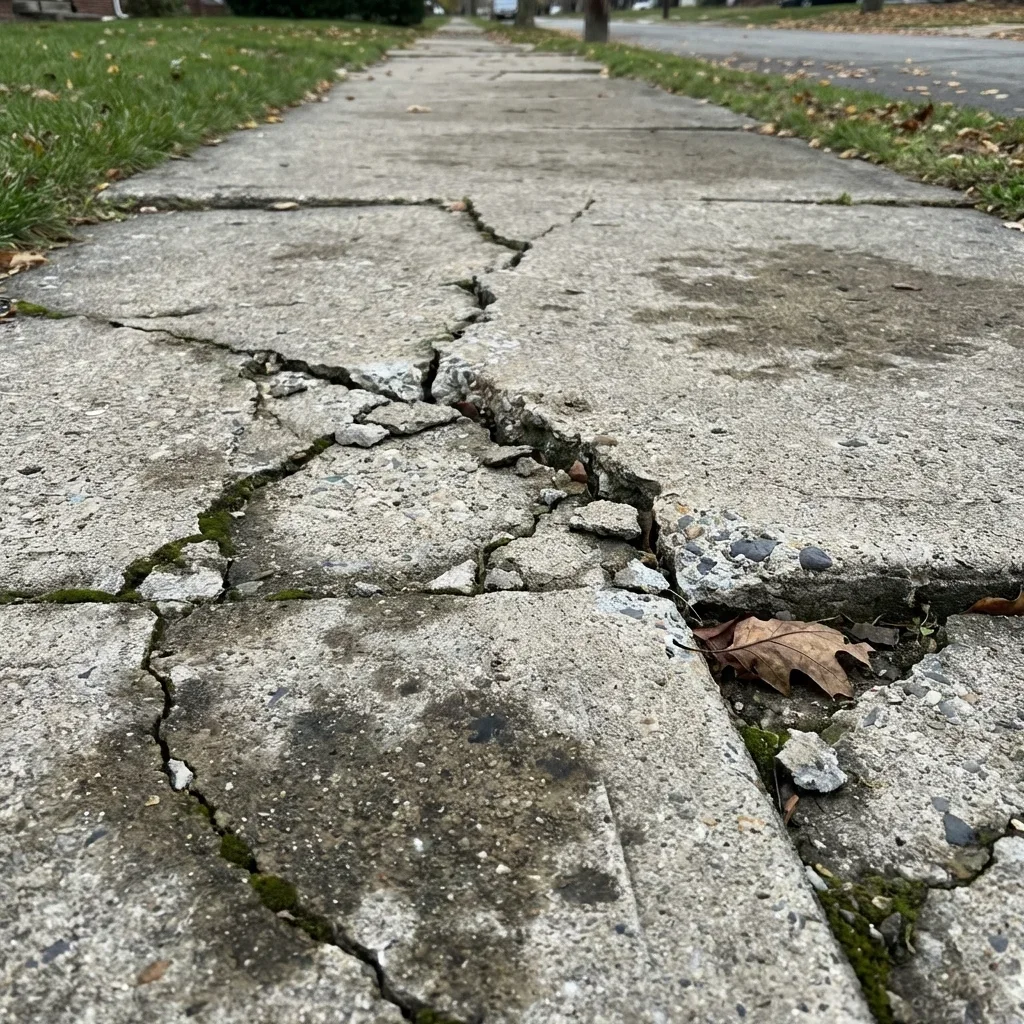
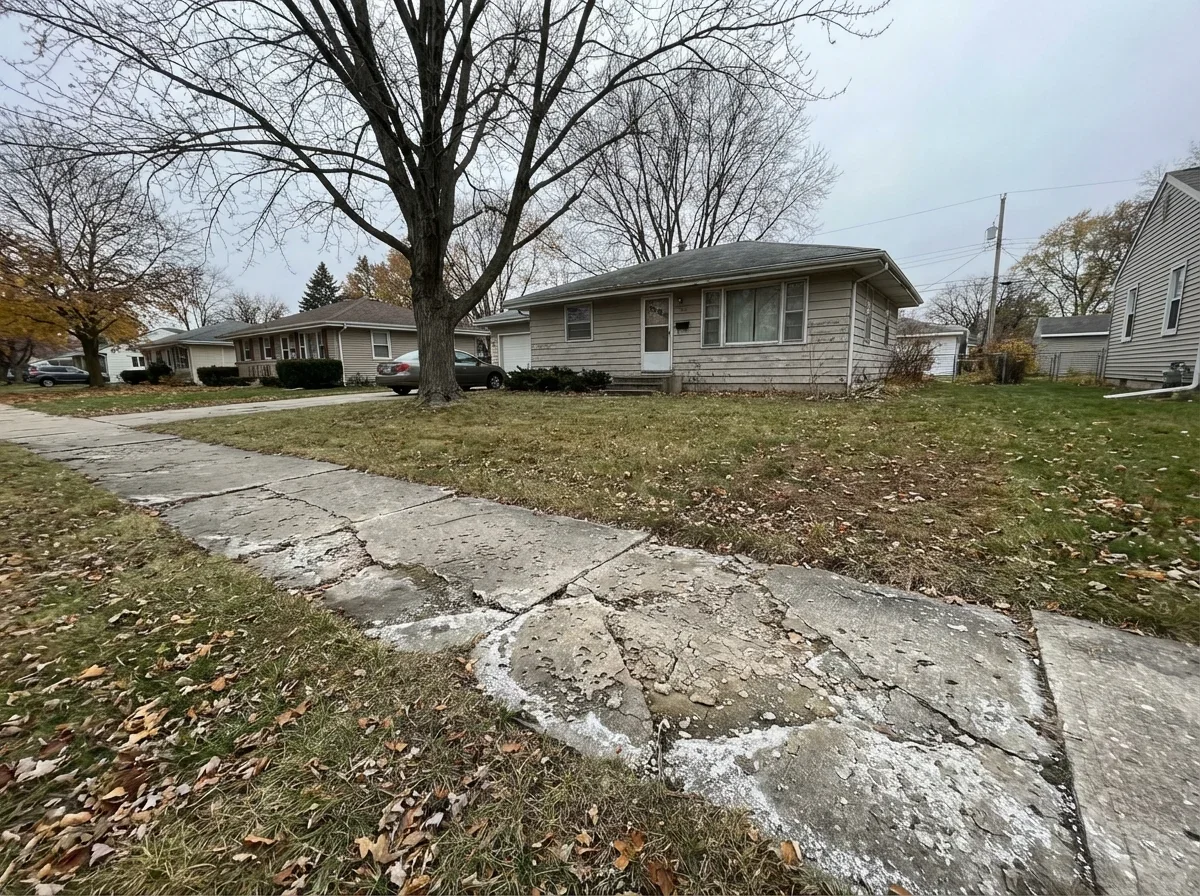
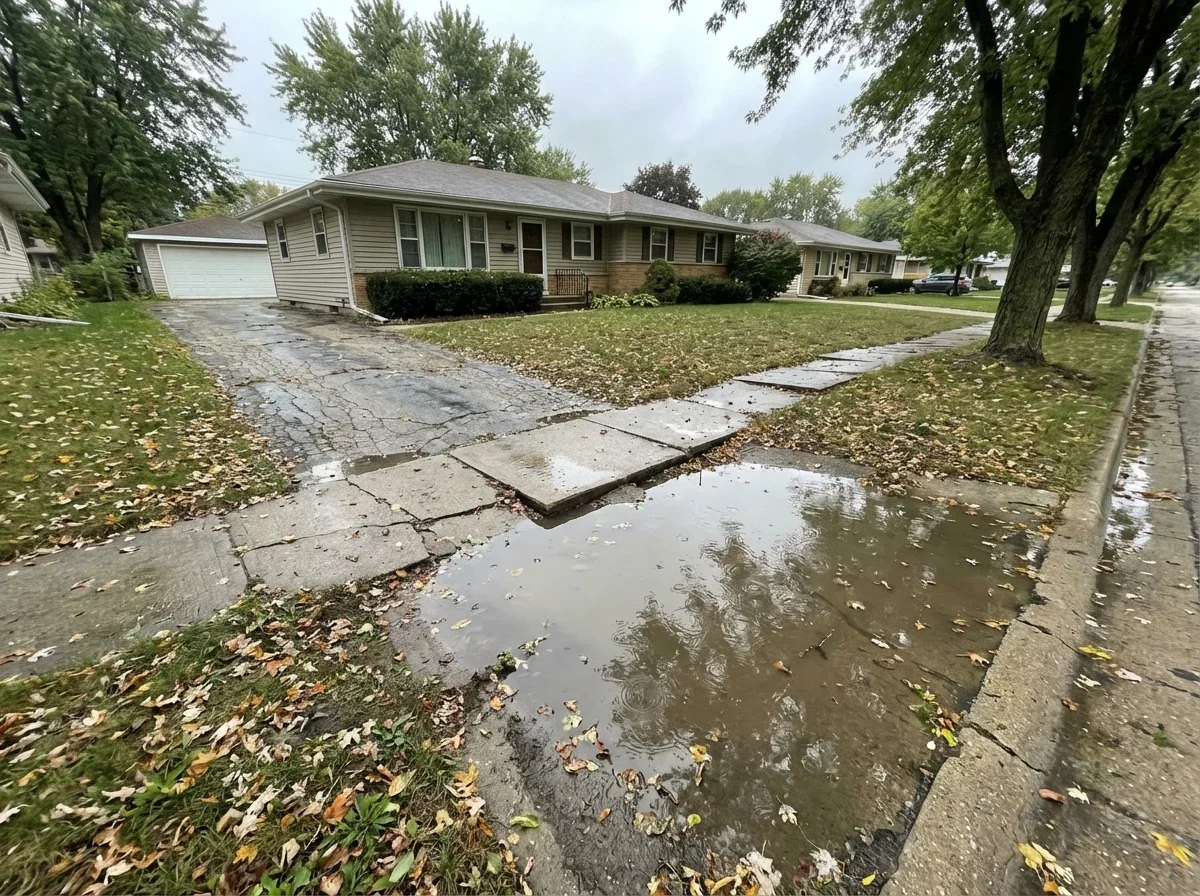
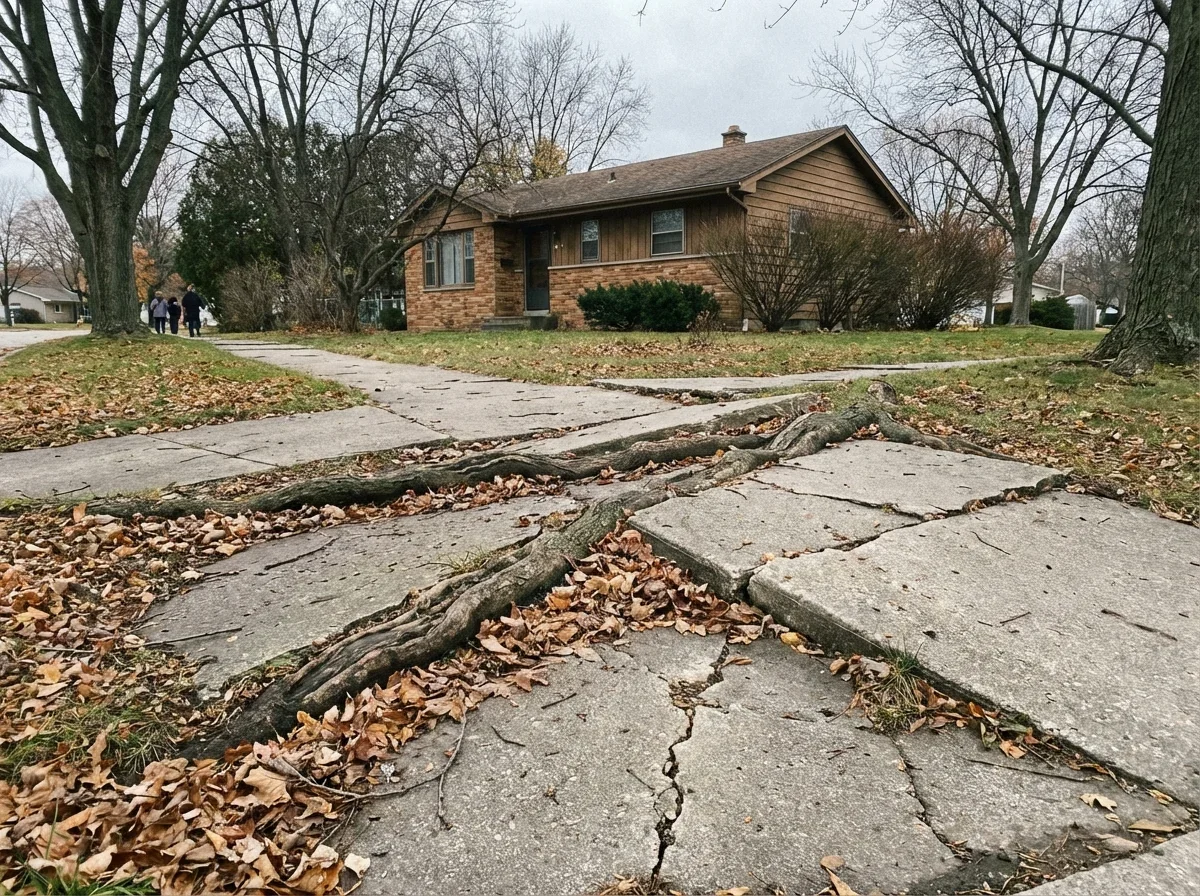
You see it every time you pull in the driveway. That front walk that's dropped two inches on one side. The cracks that started small three years ago and now collect weeds every spring. The section that puddles after every rain — and turns into a skating rink come December.
Here's what happens when you wait: That settled section? It's only getting worse as frost cycles push and pull the slabs. Water infiltration under the concrete accelerates the damage. Property owners in Appleton and Neenah typically spend $800-$1,200 more replacing a deteriorated sidewalk than they would've spent catching it early — because now you're repairing the eroded base material too, not just the concrete surface.
Maybe you're dealing with municipal pressure. Cities across the Fox Valley enforce sidewalk maintenance ordinances — and if your public-facing walk fails inspection, you're on the clock for replacement. Green Bay and Oshkosh both require property owners to maintain safe, code-compliant sidewalks, and deferred maintenance becomes your liability if someone trips.
Sound familiar? Your front walk has a 3-inch drop where it meets the driveway. You've patched the cracks twice. Winter ice makes it dangerous. Now the city sent a notice.
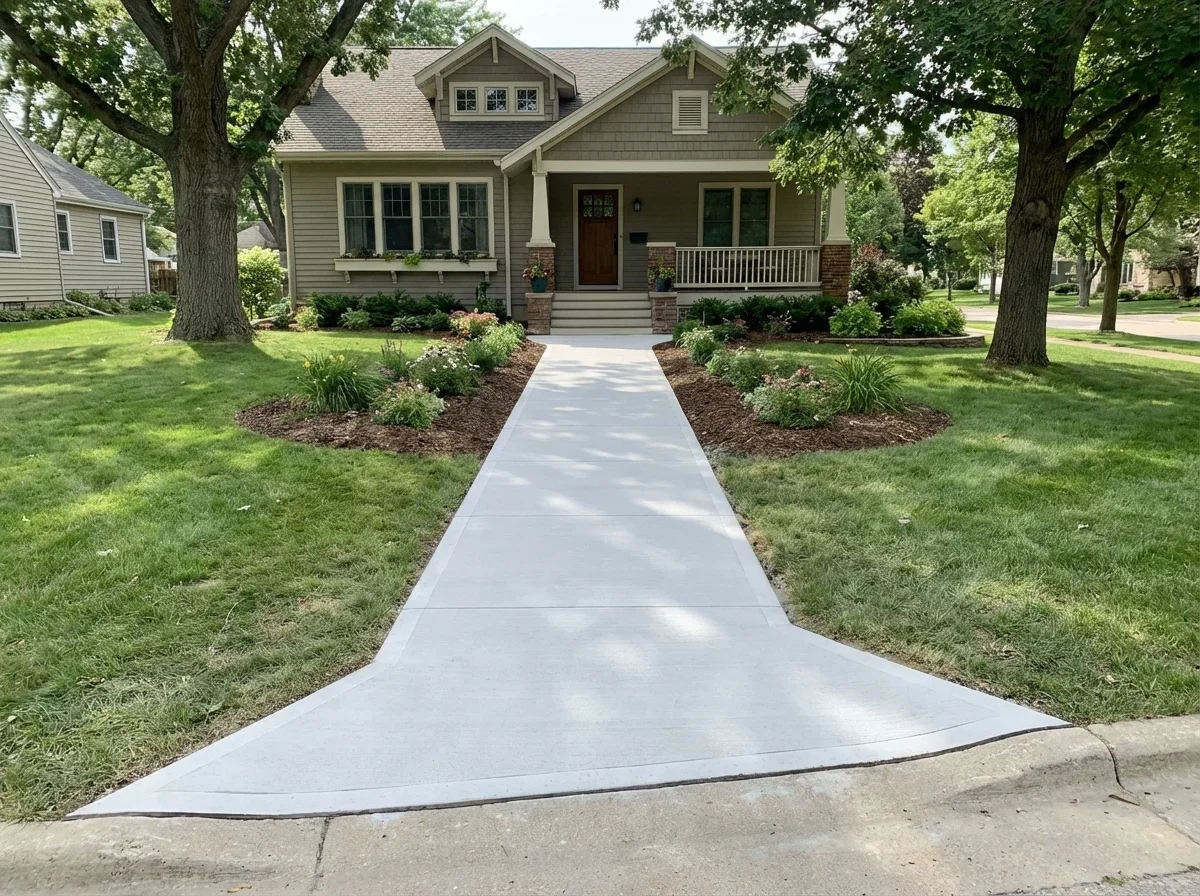
Or maybe there's no sidewalk at all. New construction in Kaukauna and Greenville, additions that changed your front entrance, landscaping projects that never included a proper walk. You've been using stepping stones or walking through the grass. It's time for something permanent.
Commercial property managers face different pressure — ADA compliance isn't optional. Parking lot walkways, building entrances, path connections across your De Pere or Little Chute property all require specific slope ratios, width minimums, and detectable warning surfaces. The cost of non-compliance exceeds the cost of doing it right the first time.
What Does Sidewalk Installation Cost in the Fox Valley?
Expect $6-$10 per square foot for standard residential sidewalk installation in Fox Valley communities. A typical 4-foot-wide front walk running 40 feet from street to door (160 square feet) costs $960-$1,600 installed. That includes excavation, 4-inch compacted gravel base, 4-inch concrete, broom finish, and proper expansion joints.
Residential Sidewalk Pricing
| Walk Type | Size | Base Cost | Details |
|---|---|---|---|
| Front Entry Walk | 4'×40' (160 sf) | $960-$1,600 | Standard broom finish, straight run |
| Curved Walkway | 4'×50' (200 sf) | $1,400-$2,200 | Radius forms, decorative borders |
| Side/Rear Path | 3'×30' (90 sf) | $630-$1,080 | Narrower utility walk |
| Stamped Concrete | 4'×40' (160 sf) | $1,760-$2,880 | Decorative patterns, color |
These numbers assume normal soil conditions. Properties in Menasha or Seymour with heavy clay or poor drainage may need additional base depth — add $1.50-$2.50/sqft for upgraded base preparation.
Commercial and Municipal Sidewalk Costs
Commercial installations run $8-$14 per square foot because they require thicker concrete (6 inches instead of 4), deeper base material, and ADA-compliant construction details. A municipal sidewalk replacement along a public street — following specifications like Richland Center's requirement for 4-foot width, 2-inch sand fill sub-grade, and specific expansion joint spacing[1] — costs $10-$13/sqft for a contractor to handle permits, inspection scheduling, and compliance documentation.
| Commercial Walk | Specs | Cost Range |
|---|---|---|
| Storefront Entry | 6" concrete, 6" base, ADA slope | $12-$18/sqft |
| Parking Lot Path | 6" concrete, 4" base, detectable warnings | $10-$14/sqft |
| Public Sidewalk | 4" concrete, municipal specs, permits | $10-$13/sqft |
The DIY temptation: You can rent equipment and pour your own small walk for $4-$6/sqft in materials. But concrete work in Wisconsin requires understanding frost heave dynamics, proper base compaction, correct slope for drainage, and finishing techniques that prevent scaling. Most DIY residential pours show significant cracking or settlement within three years — then you're paying to remove failed concrete before starting over.
The Sidewalk Installation Process
Professional sidewalk installation takes 3-5 days from excavation to final cure, with most of the work front-loaded into the first two days.
Site Preparation and Base Work
Day 1 is excavation and base preparation. The crew removes existing concrete (if replacing), excavates to proper depth (typically 8-10 inches total: 4 inches for base, 4 inches for concrete, plus 1-2 inches for sand leveling layer). They assess soil conditions — critical in Fox Valley where clay-heavy soils around Appleton and Oshkosh require excellent compaction to prevent future settling.
Forms go in next, establishing the exact width and path layout. Wisconsin ordinances typically require minimum 4-foot width for public sidewalks[1], though private walkways can be narrower. Forms are set with 1/4-inch per foot slope away from the house — this pitch is non-negotiable for preventing ice buildup and directing water away from foundations.
The gravel base (4 inches compacted) goes in Day 1 or early Day 2. Proper compaction matters enormously in freeze-thaw climates. Loose base material allows water infiltration, which expands when frozen and creates the heaving and cracking Fox Valley homeowners know too well.
Pouring, Finishing, and Curing
Day 2 is pour day, weather permitting. Concrete arrives ready-mix, specified for exterior exposure and Wisconsin climate (typically 4,000 PSI with air entrainment for freeze-thaw resistance). The crew places expansion joints every 4-6 feet — these allow the concrete to move slightly during temperature swings without cracking.
Finishing happens immediately: bull floating for initial leveling, edging to round the corners (prevents chipping), then broom finishing for slip resistance. Some contractors offer exposed aggregate or light stamping — these cost more but provide better traction in winter than smooth-troweled finishes.
Days 3-5 are curing time. The concrete needs to stay moist and protected. Professional installers apply curing compound or cover the walk with plastic sheeting. You can walk on it after 24-48 hours, but no vehicle traffic for at least 7 days. Full strength develops over 28 days.
Seasonal timing matters. Installation season in the Fox Valley runs April through October, with May and September ideal. You need consistent temperatures above 50°F for proper curing. Spring installation (April-May) gives the concrete a full season to cure and settle before its first winter — this reduces first-year heaving risk compared to late-fall pours in Shawano or Freedom that face freeze conditions within weeks of installation.
How to Choose a Sidewalk Contractor
The difference between a sidewalk that lasts 30 years and one that cracks in three comes down to base preparation and climate expertise. Fox Valley contractors who understand Wisconsin frost dynamics build walks that survive.
Licensing and Municipal Compliance
Start here: Is the contractor licensed and insured for concrete work in Wisconsin? Do they pull permits when required? For public sidewalk work or commercial projects, municipalities require permits and inspections. Wisconsin statutes give cities authority to establish specific construction standards[2] — your contractor needs to know local requirements in Green Bay vs. Neenah vs. Little Chute, which vary by jurisdiction.
Ask specifically about ADA compliance experience if you're doing commercial work. Curb ramp slopes, detectable warning placement, width requirements — these are technical specifications with legal consequences. A contractor experienced in commercial work around De Pere or Kaukauna will know the 1:12 maximum slope rule and 40-inch minimum width requirements without looking them up.
Experience with Wisconsin Climate Conditions
These questions separate good contractors from great ones:
- How deep do you excavate for base material, and why that depth?
- What's your compaction process for the gravel base?
- How do you handle drainage and slope?
- What PSI and air entrainment percentage do you spec for sidewalk concrete?
- When do you recommend scheduling installation, and what's your minimum temperature threshold?
A quality contractor explains that 4-inch compacted base isn't just standard practice — it's essential for distributing load and preventing frost heave in Wisconsin soils. They'll talk about why spring installation beats fall installation. They'll explain how proper slope (1/4" per foot minimum) prevents ice dams that make your walk dangerous every winter.
Red flags:
- Quotes that don't specify concrete thickness or base depth
- Contractors willing to pour in temperatures below 45°F
- No mention of expansion joints or drainage slope
- Pressure to decide immediately or "price only good today"
- No physical address or local references
Get three written quotes. Compare not just price, but specifications: concrete thickness, base depth, curing method, warranty terms. The cheapest bid usually skimps on base preparation — the part you can't see but that determines how long your sidewalk lasts.
Look for contractors with portfolios of local work. A company that's installed sidewalks across Appleton, Oshkosh, and surrounding communities knows the soil conditions, municipal requirements, and seasonal considerations that make Fox Valley concrete work different from other regions.
Frequently Asked Questions
Rebar is typically not required for standard 4-inch residential slabs (sidewalks, patios, light garage floors) in most of Wisconsin, provided the base is properly prepared. However, rebar or wire mesh is recommended for:
- Driveways subject to heavy vehicle traffic
- Slabs in areas with freeze-thaw cycles (all of Wisconsin)
- Slabs spanning longer than 12–15 feet
- Areas with poor soil conditions or settlement risk
- Garage floors expecting vehicle weight
Most contractors add wire mesh reinforcement ($0.15–$0.30/sq ft) as a cost-effective alternative. Check local building codes—some Wisconsin municipalities require it. A professional contractor can assess your soil and site conditions to recommend the best approach.
- City of Richland Center, Wisconsin. "Chapter 620 Sidewalk Installation and Maintenance." https://www.richlandcenterwi.gov/sites/default/files/fileattachments/ordinance/2787/chap-620-sidewalk-installation-and-maintenance-jan-2016.pdf. Accessed February 10, 2026.
- Wisconsin State Legislature. "66.0907 - Sidewalks (Wisconsin Statutes)." https://docs.legis.wisconsin.gov/document/statutes/66.0907. Accessed February 10, 2026.
Related Articles
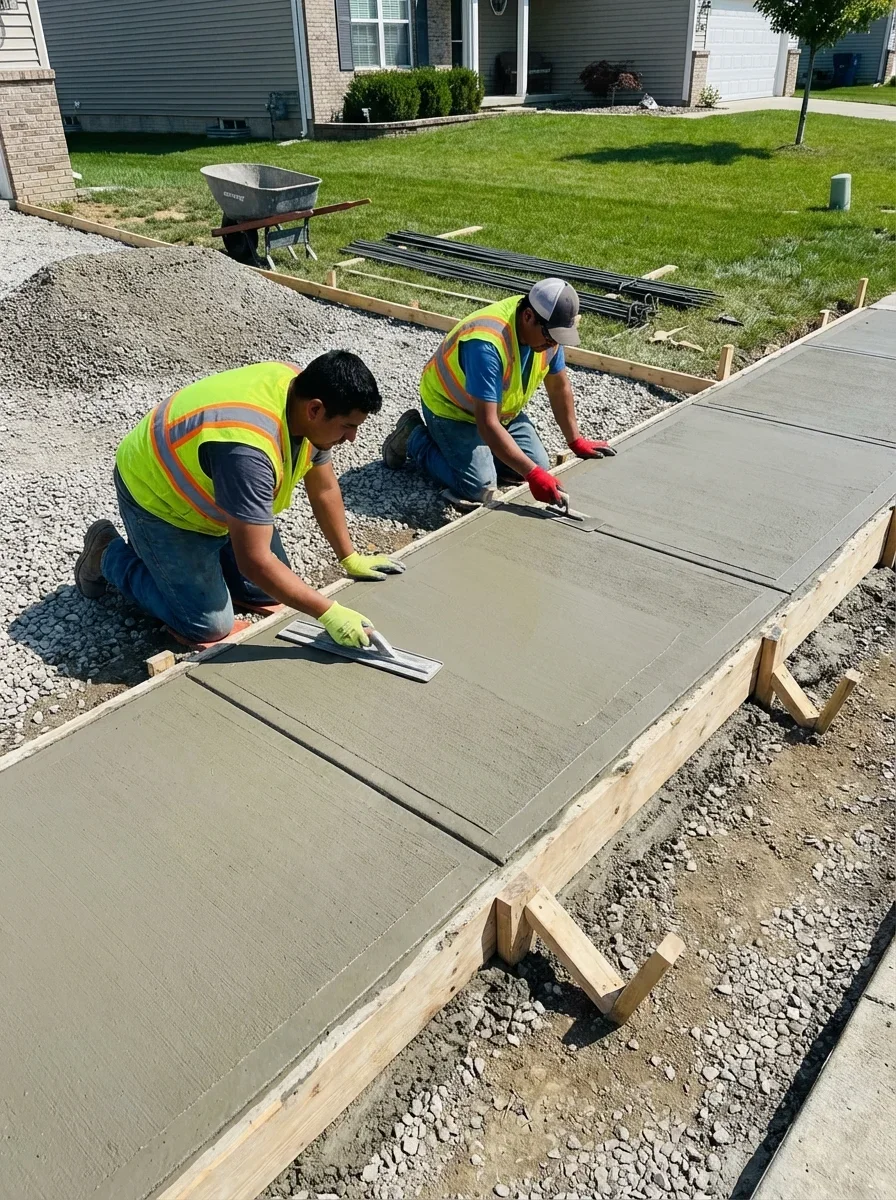
Sidewalk Installation & Repair Contractors
Find flatwork concrete contractors for sidewalk installation or repair. Learn about proper base preparation, thickness standards, and what quality sidewalks cost.
Read Guide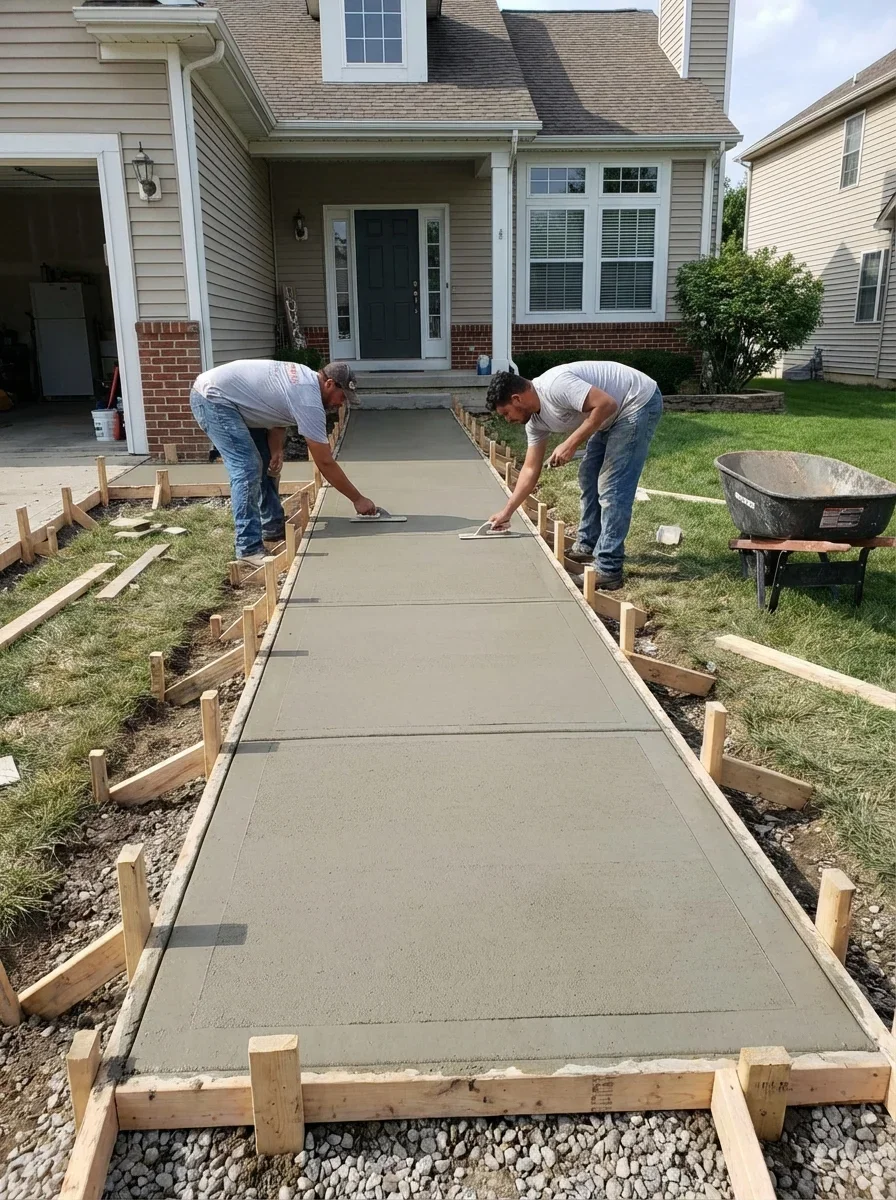
Residential Concrete Contractors: Services, Costs & How to Hire
Connect with licensed residential concrete contractors in Fox Valley. Compare quotes for driveways, patios, sidewalks, and more. Free estimates from vetted pros.
Read Guide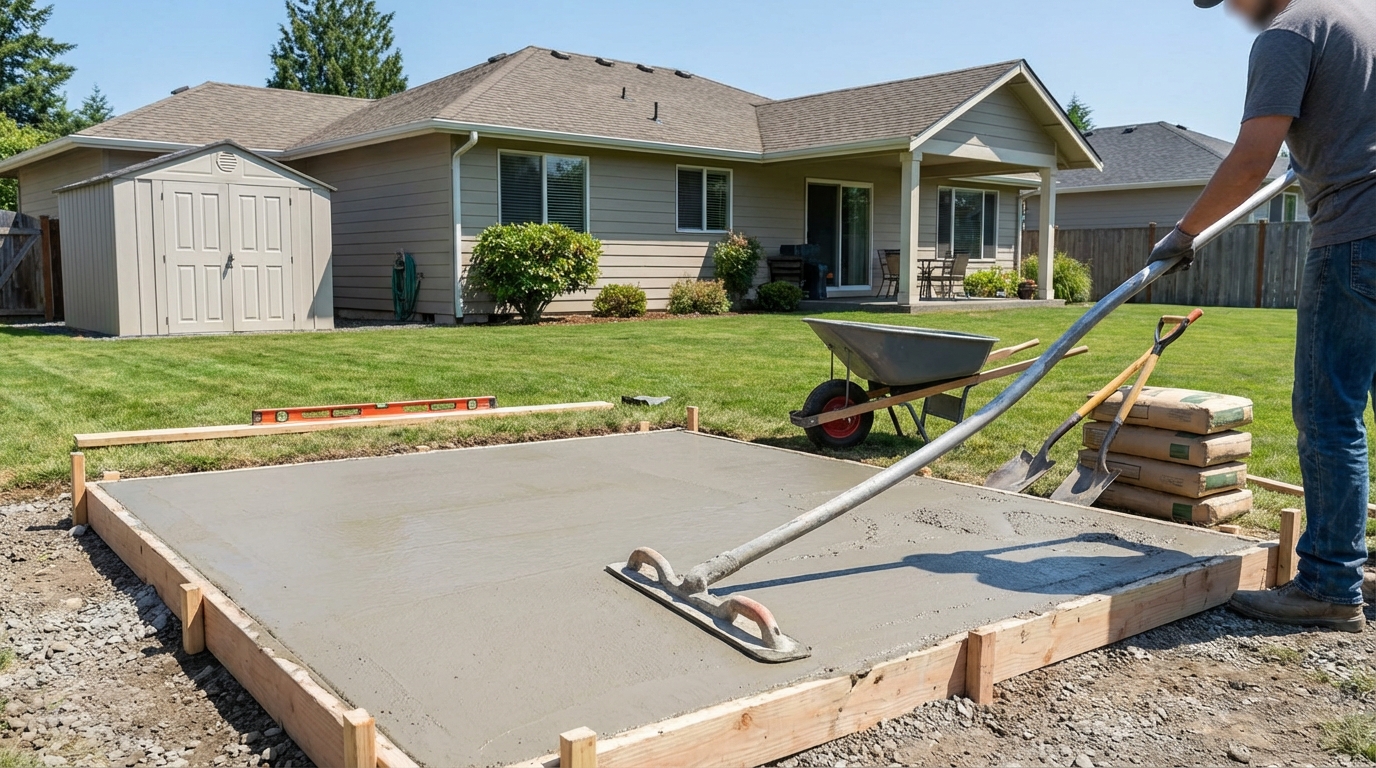
Residential Concrete Costs: What Small Jobs Really Cost
Small concrete projects have different pricing than large pours. Learn why contractors charge minimum fees, what drives small job costs, and how to get fair quotes.
Read Cost Guide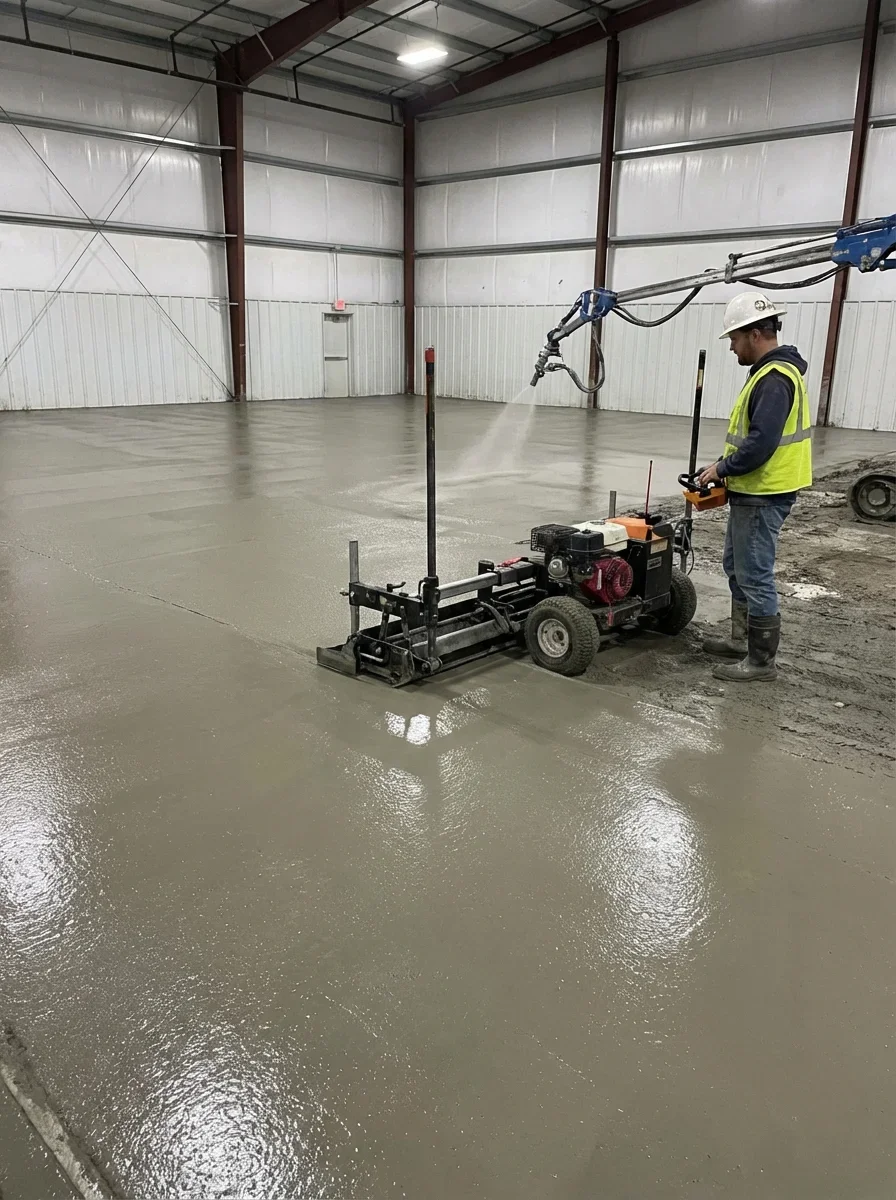
Innovative Techniques and Technologies in Concrete Construction
Discover advanced concrete techniques and technologies available from today's contractors: from self-healing concrete to 3D texturing and eco-friendly mixes.
Read Guide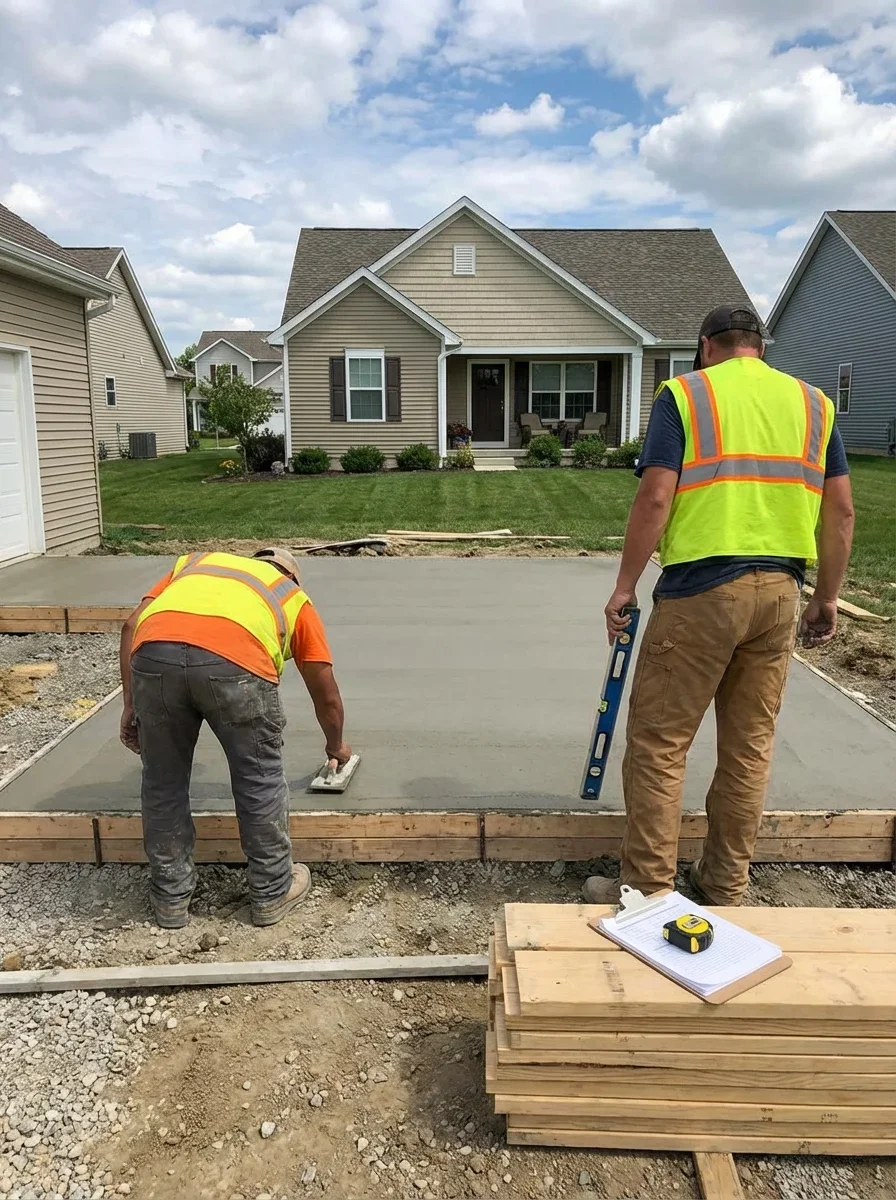
How Much Do Concrete Contractors Cost? Pricing Guide
Understand concrete contractor pricing in Fox Valley. Learn what drives costs, regional price ranges, and how to compare quotes from licensed professionals.
Read Cost Guide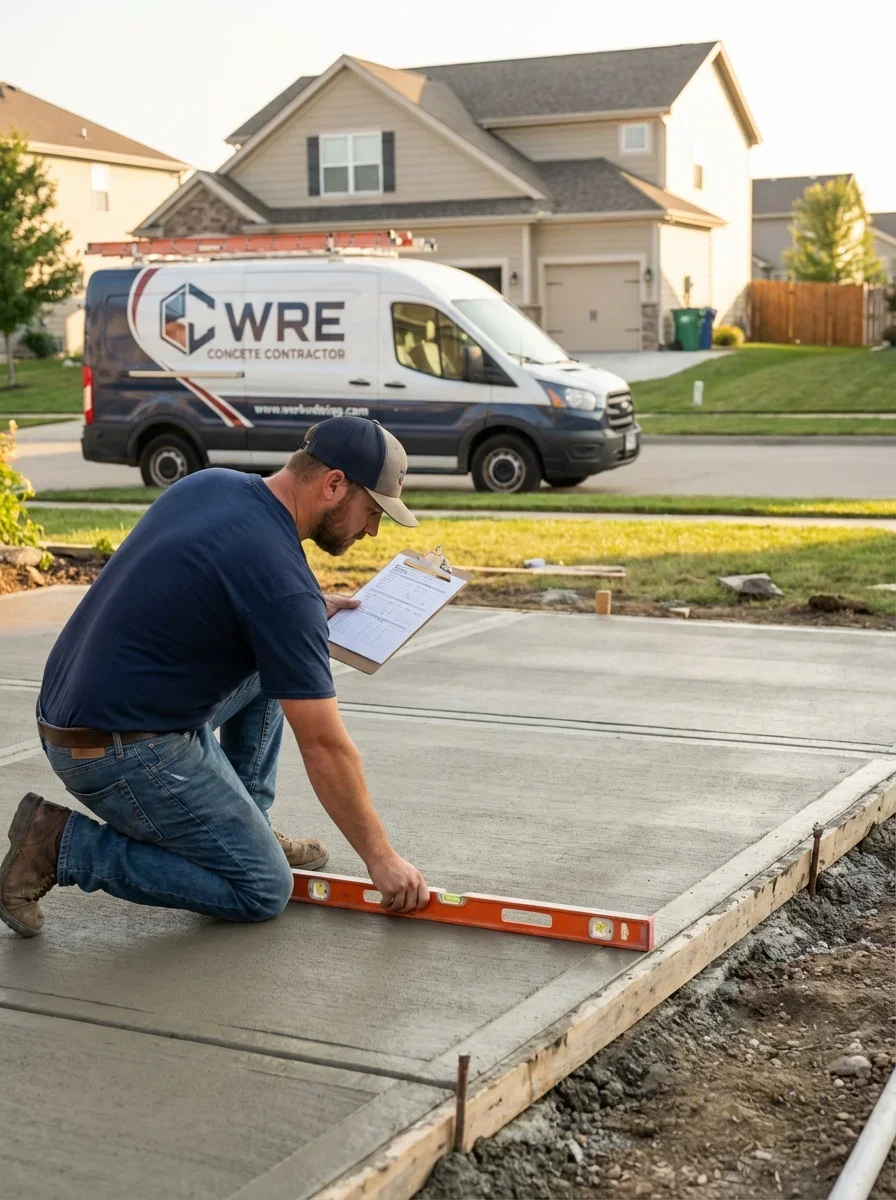
How to Choose the Right Concrete Contractor for Your Project
Learn what separates quality concrete contractors from the rest. Licensing, insurance, experience, equipment, and questions to ask before hiring for your project.
Read Guide
Licensing and Insurance: What to Verify Before Hiring a Concrete Contractor
Learn what credentials to verify before hiring a concrete contractor in Wisconsin. Understand licensing requirements, insurance types, and how to protect yourself.
Read Guide