


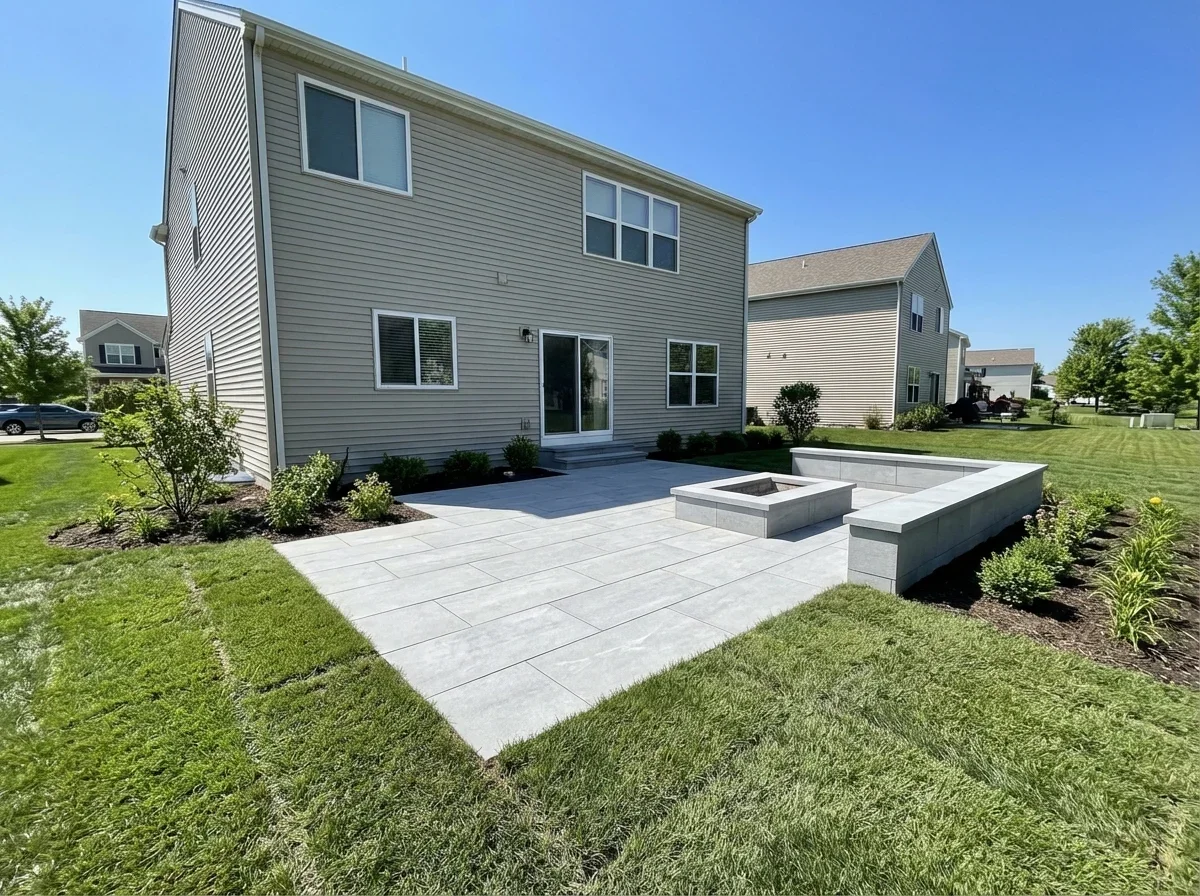
Why Fox Valley Homeowners Choose Concrete Patios
You're tired of a backyard that's all maintenance and no enjoyment. The lawn needs constant mowing. The wood deck is rotting at the posts. Your kids track mud through the sliding door every time it rains.
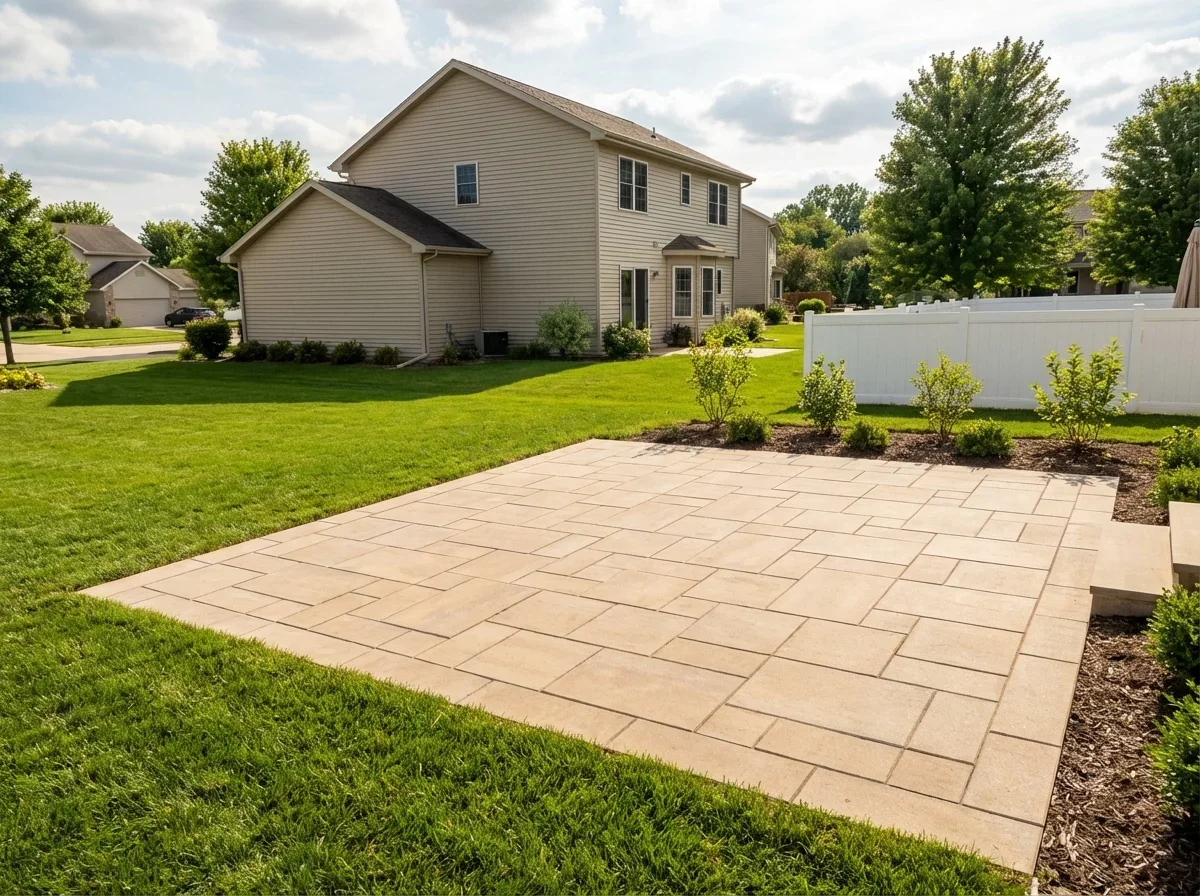
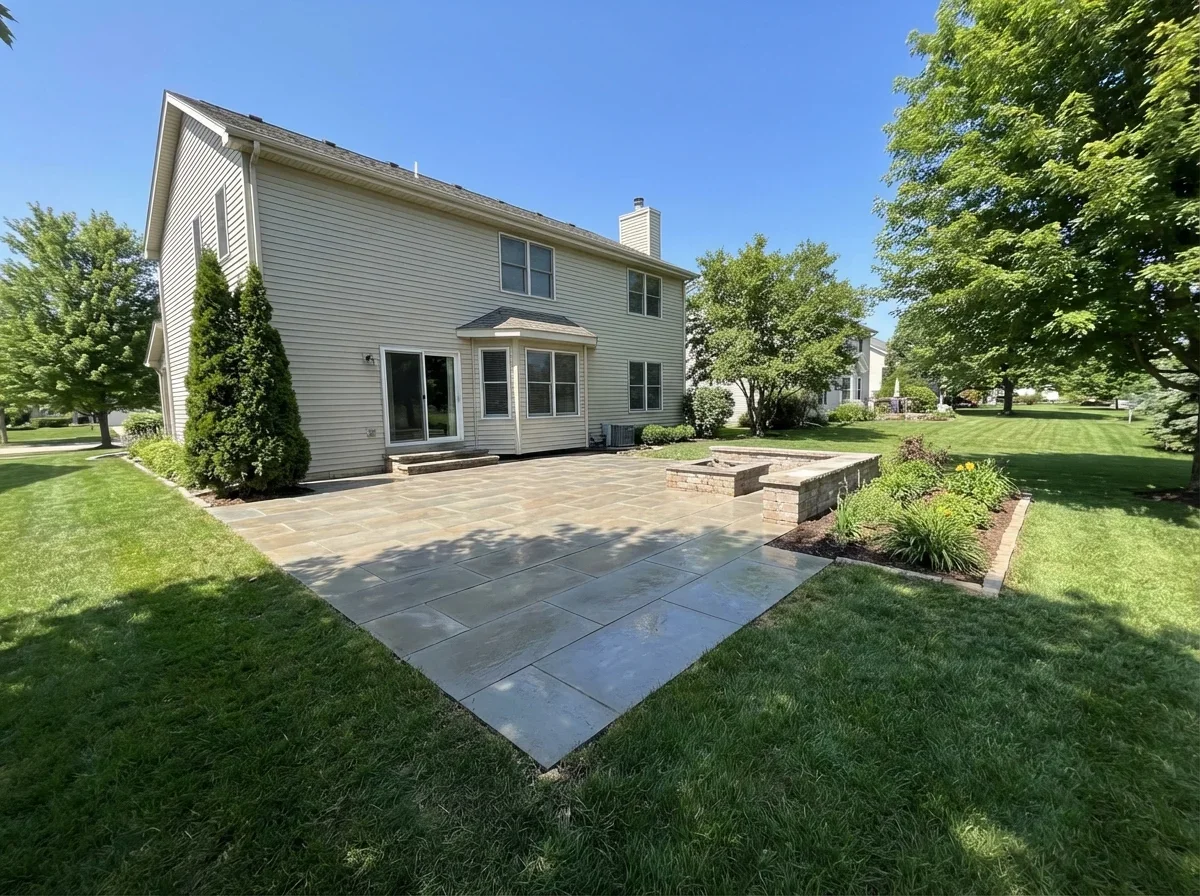
A concrete patio changes how you use your property. It's the foundation for outdoor furniture that stays put, a grill setup that doesn't sink into the grass, a spot where people naturally gather because it feels like an extension of your house.
Homeowners in Appleton and Neenah are adding patios for the same reason: Wisconsin summers are too short to spend them maintaining a yard instead of enjoying it. A 16x20 patio gives you 320 square feet of usable outdoor space that requires zero upkeep beyond an occasional pressure wash.
The space pays for itself. A well-designed patio adds 5-8% to home value in the Fox Valley market. You're not spending money on your backyard — you're investing in property value and quality of life.
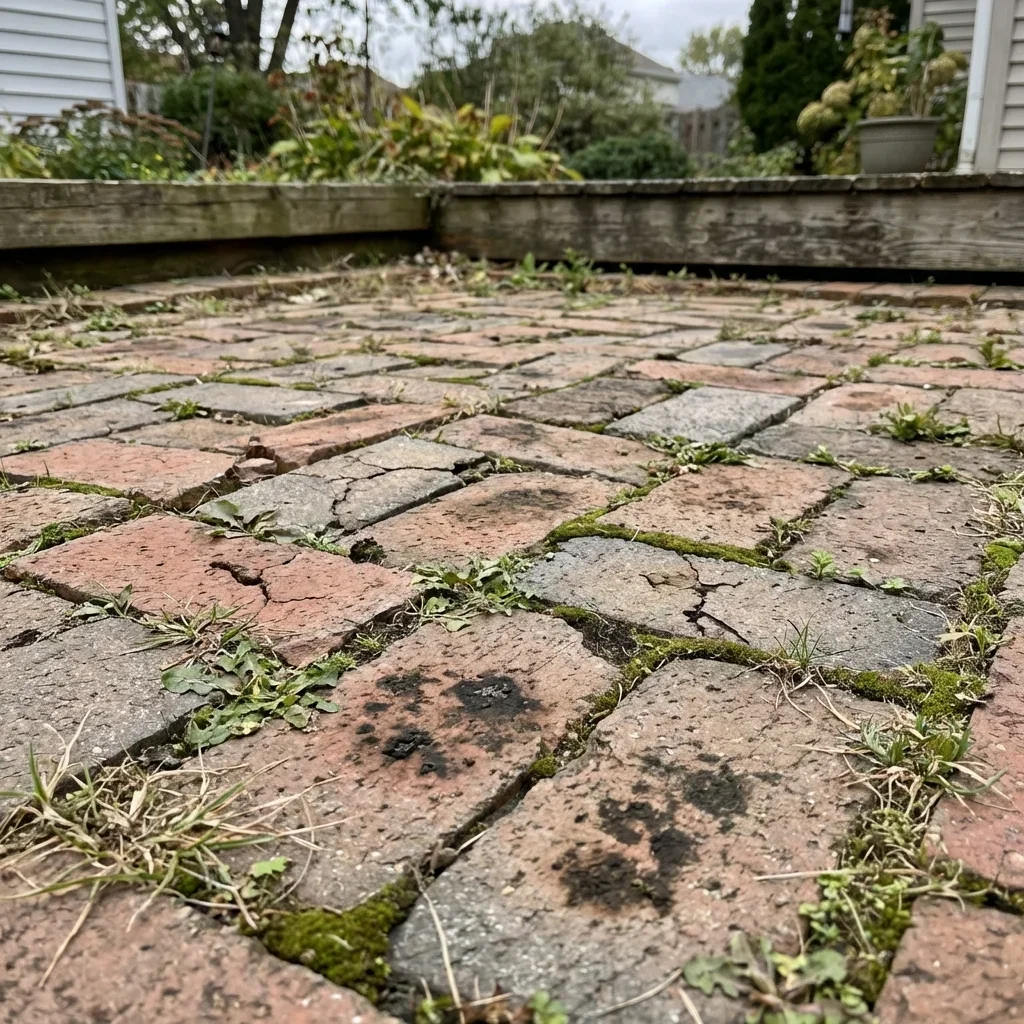
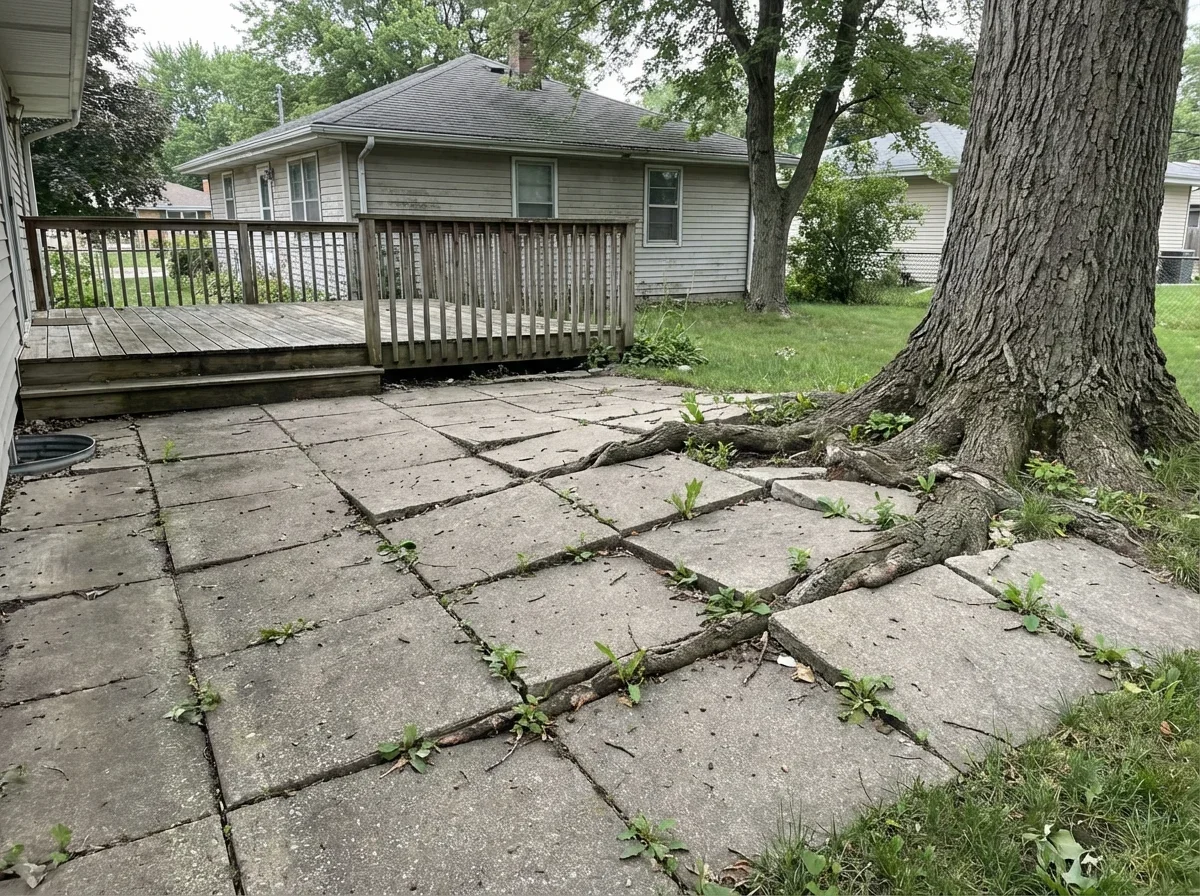
Concrete handles our climate better than any other patio material. Pavers shift when the ground freezes. Wood rots in our humid summers. Stamped concrete poured with the right mix and base prep stays level through decades of freeze-thaw cycles.
The typical Fox Valley patio project starts with a homeowner realizing they've been putting off backyard projects because there's nowhere comfortable to do them. Once the concrete is in, the rest follows naturally — furniture, lighting, planters, a fire pit. You're not just pouring a slab. You're creating the space where your outdoor living happens.
Timing matters here. Concrete needs warm weather to cure properly. The installation season runs May through October, and the best contractors in Green Bay and Oshkosh book up by early spring. Homeowners who wait until June are pushing into July or August slots.
What Does a Concrete Patio Cost in the Fox Valley?
The typical 16x20 concrete patio in the Fox Valley costs $2,900–$4,800 installed. That’s $8–$15 per square foot for standard broom-finish concrete with proper base prep, rebar reinforcement, and a 4000-PSI freeze-thaw-resistant mix.
Size & Finish Pricing
All estimates include excavation, compacted base material, vapor barrier, 4–6 inches of reinforced concrete, finishing, and basic sealer. They do NOT include removal of existing hardscape, significant grading work, or decorative borders.
The per-square-foot cost drops as size increases because fixed costs (equipment, base prep, setup) get spread across more area.
Finish Options
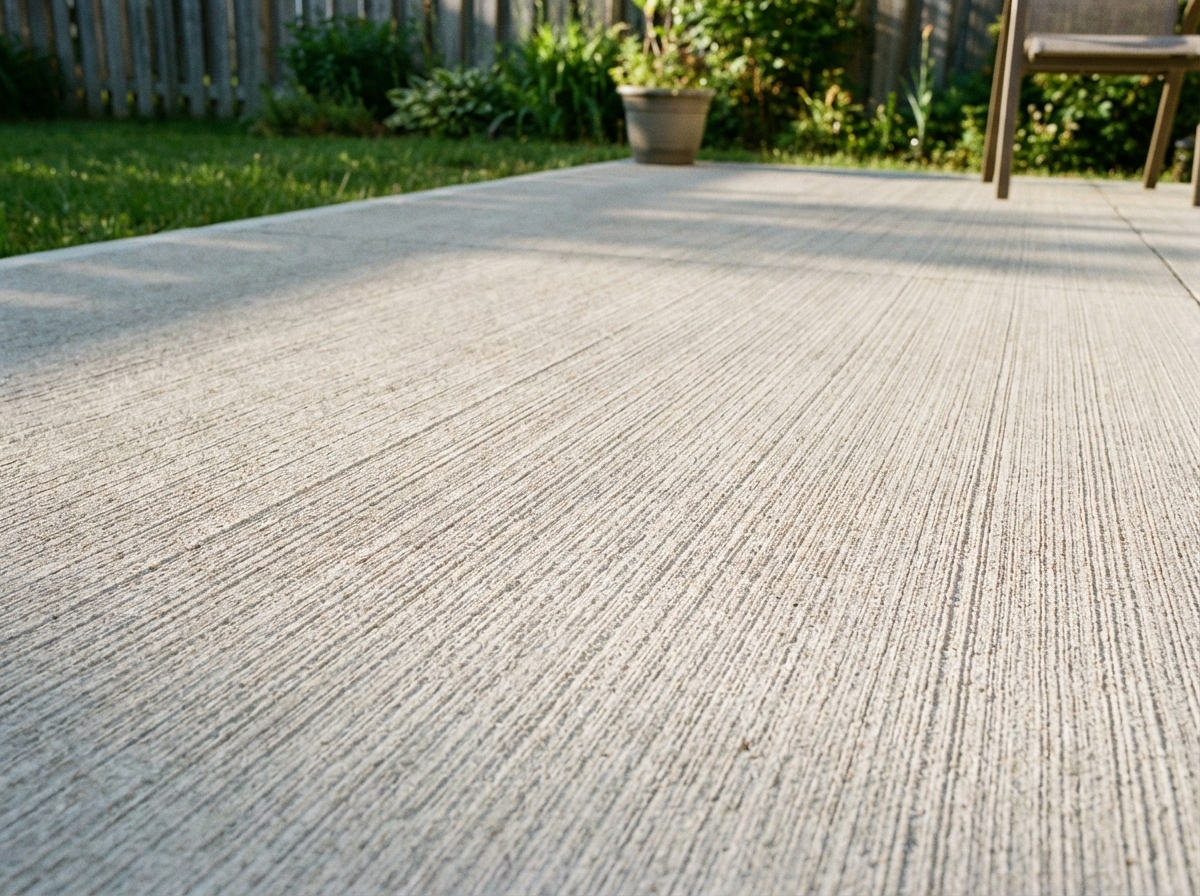
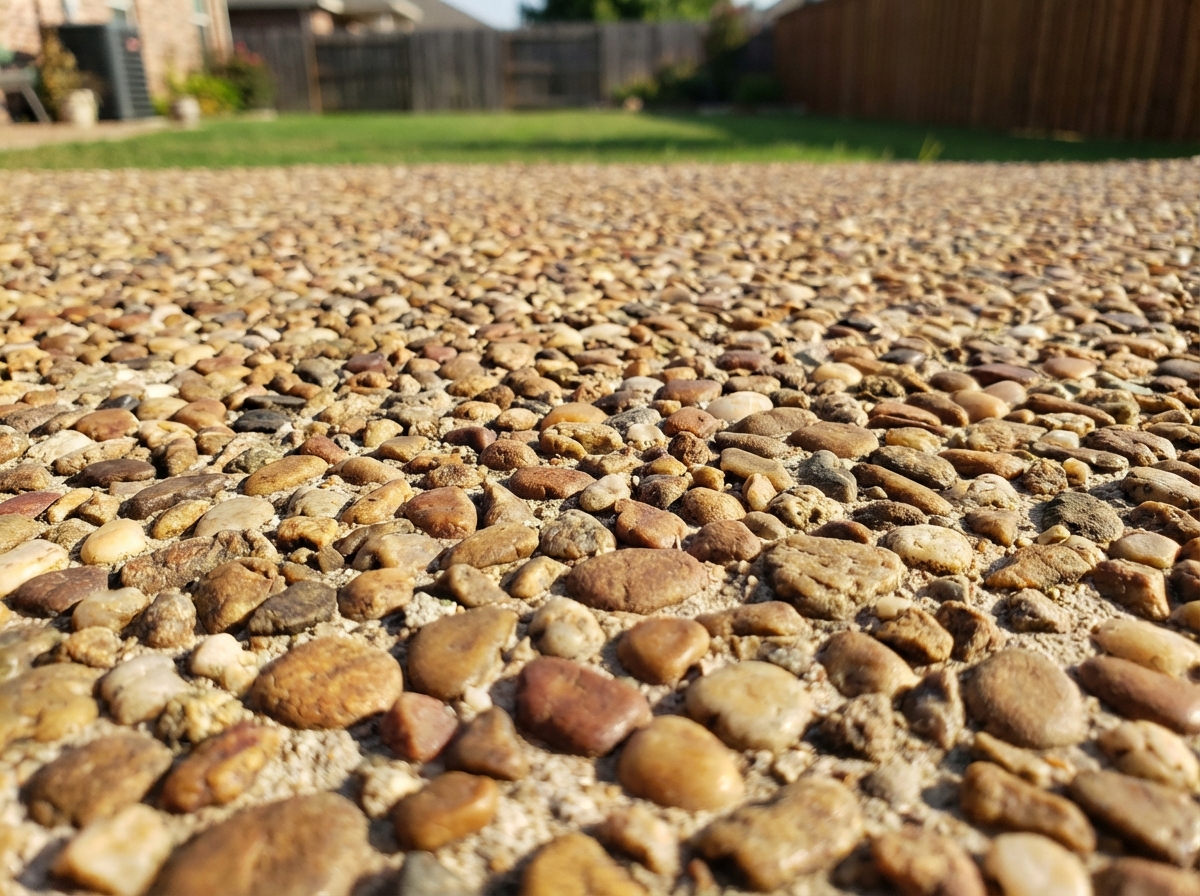
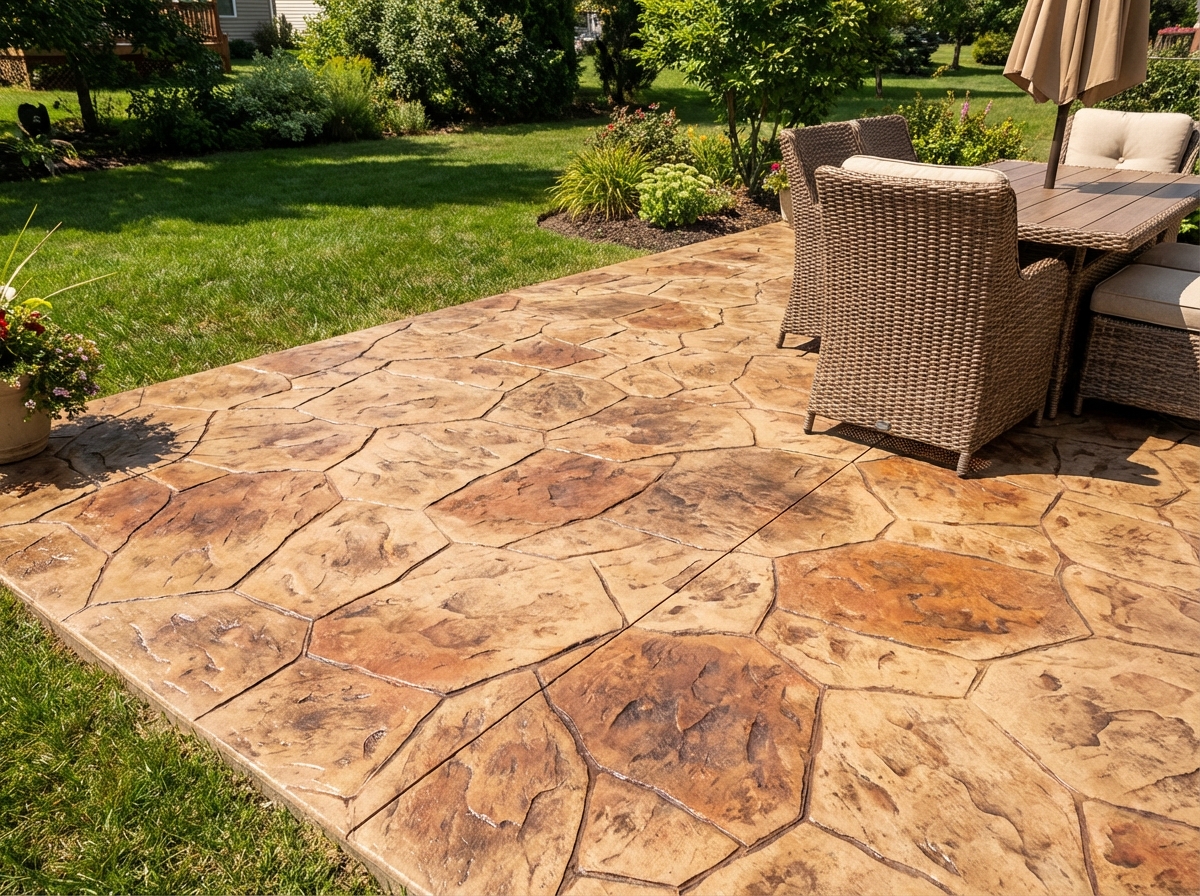
Color adds $1–$3/sqft. Integral color (mixed throughout) holds up better than surface stains. Most contractors in Neenah and Menasha stock earth tones that complement Wisconsin landscaping — grays, tans, terra cotta.
Add $800–$1,500 for site prep if your yard slopes significantly or the contractor needs to remove old concrete or pavers.
The Patio Installation Process
A typical Fox Valley patio installation takes 5–7 working days from excavation to final cure, spread across 2–3 weeks. Weather delays are common — contractors can’t pour in rain or when overnight temps drop below 50°F.
Layout & Excavation
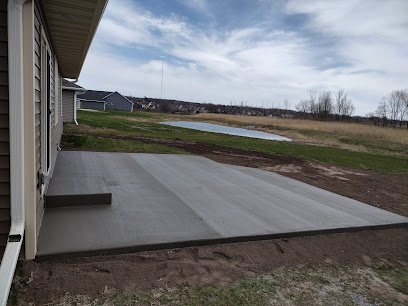
Days 1–2Crew stakes out patio dimensions, marks utility lines, and excavates 8–10” below final grade. You need room for 4–6” of compacted base plus 4–6” of concrete. Excavated soil is hauled away (some contractors charge extra for disposal). Subgrade is compacted, vapor barrier installed, then 4–6” of crushed limestone base added in 2” lifts, each layer compacted separately.
Base Inspection & Forming
Day 3Base elevation is checked, rebar or wire mesh reinforcement installed (required for spans over 12 feet), and forms set — typically 2x6 lumber staked every 3–4 feet. Isolation joints go in where concrete meets your foundation. In Appleton and Green Bay, patios attached to the house require a 48” frost footing — most contractors pour free-floating with a 1/4” expansion joint instead.
Pour & Finish
Day 4A 16x20 patio requires 6–8 cubic yards. Ready-mix truck arrives early, crew places, screeds, and floats the surface before initial set. Larger patios are poured in sections working from the farthest point back. Broom finish is dragged across after concrete sets enough to hold texture. For stamped work, color hardener goes on first, then release agent, then stamps are applied — the labor window is tight and mistakes are permanent.
Curing
Days 5–14Curing compound is sprayed or plastic sheeting covers the patio to retain moisture. Concrete reaches 70% strength in 7 days, 90% in 28 days. Walk on it after 24–48 hours, but no furniture or heavy use for 7 days minimum. For decorative finishes, wait 28–30 days before sealing — sealing too early traps moisture and causes clouding.
Cleanup & Sealing
Day 28–30Forms are removed, edges backfilled with soil, and disturbed lawn areas reseeded. Sealer is applied once concrete has fully cured. Your contractor should leave care instructions — when to reseal, how to clean, and winter maintenance tips.
Best Time to Pour
Plan your project for May–June or September–October. Concrete sets faster in summer heat (trucks arrive early), and proper curing requires temps above 50°F for at least 7 consecutive days.
How to Choose a Patio Contractor
The cheapest quote is rarely the best value. In Oshkosh and Little Chute, the gap between a $3,000 patio and a $4,500 patio often comes down to base prep quality and concrete mix specifications — things you can't see once it's poured.
Licensing and Insurance Requirements
Wisconsin doesn't require a license for concrete work under $10,000, but reputable contractors carry general liability insurance ($1-2 million minimum) and workers' comp. Ask for certificates. If someone gets hurt on your property and the contractor isn't insured, you're liable.
Check how long they've been operating under their business name. A contractor with 15 years' experience but an LLC formed last year might be dodging warranty claims or lawsuits. Search their business name + "complaint" in Google and check Wisconsin DATCP consumer protection records.
Portfolio and References
Ask to see recent patio projects in your city — not just photos, but addresses where you can drive by and see 3-5 year old work. Concrete shows its quality over time. Fresh pours all look good. Patios that have survived five Wisconsin winters without cracking or heaving prove the contractor knows base prep and proper mix design.
Get three references and actually call them. Ask:
- Did the project finish on schedule? (Weather delays are normal, but scope creep isn't)
- How did the contractor handle issues? (Problems happen — communication matters)
- Would you hire them again? (The ultimate question)
Contract and Warranty Details
The contract should specify everything: exact dimensions, concrete thickness (4" minimum, 6" better), PSI rating (4000-5000 for Wisconsin climate), finish type, base prep depth, reinforcement type (rebar or wire mesh), and payment schedule.
Never pay more than 30% upfront. Standard terms are 30% to start, 40% when concrete is poured, 30% at completion. If a contractor wants 50% or more up front, that's a red flag — they're either desperate for cash flow or planning to move slow on your job.
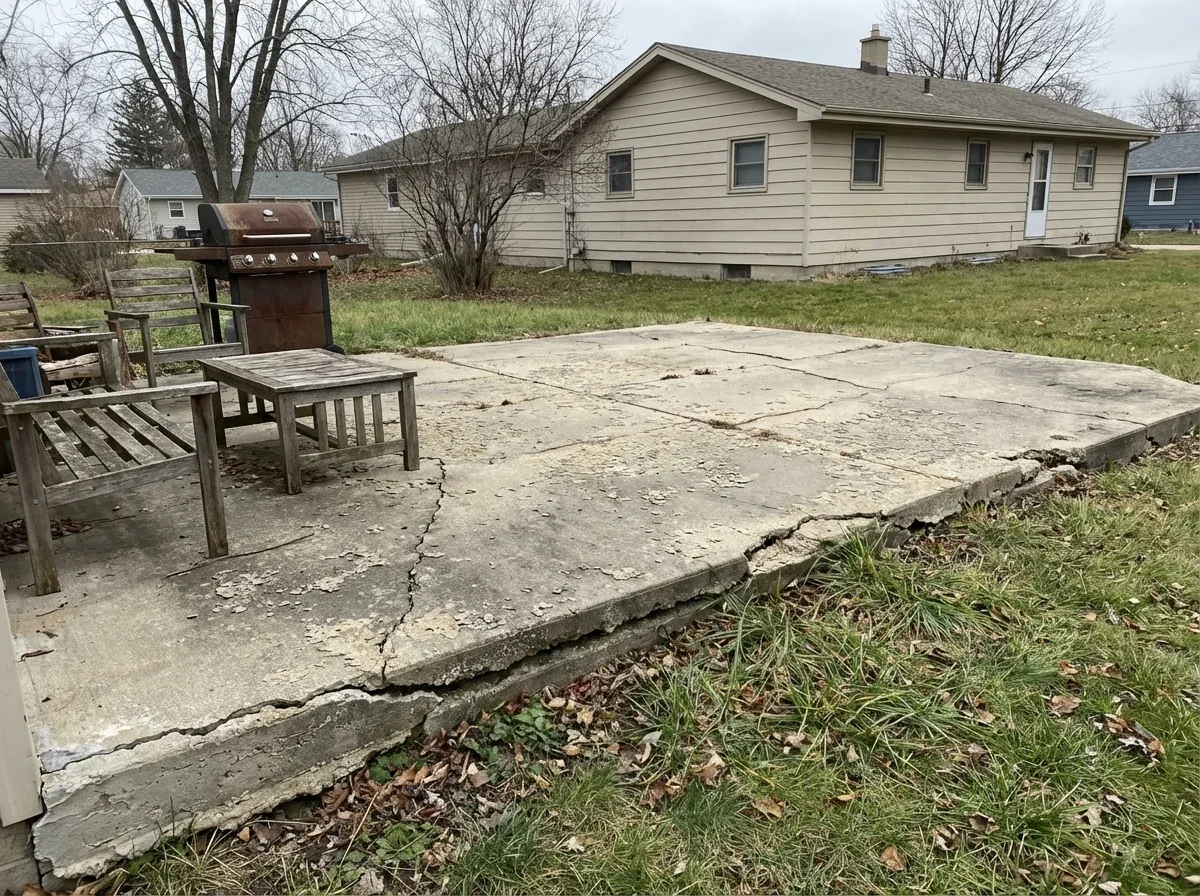
Warranty should cover cracking and settling for at least 1-2 years. Hairline surface cracks (under 1/8") are normal and cosmetic. Structural cracks (over 1/4" or causing height differences) indicate base failure and should be covered. Get it in writing.
Ask about their pour schedule. Contractors juggling multiple jobs sometimes pour your base, then disappear for weeks before the concrete arrives. The best contractors in Greenville and Seymour schedule one project through completion before starting the next, or they run dedicated crews that finish in 5-7 consecutive days (weather permitting).
Compare at least three detailed quotes. The lowest bidder might be cutting corners on base depth or using 3000-PSI mix (not rated for freeze-thaw). The highest bidder might include features you don't need. The middle option often represents fair value — but verify what you're getting for the price.
Frequently Asked Questions
Concrete is typically cheaper upfront than pavers, but the comparison depends on finish type and long-term maintenance. Here's how they stack up:
| Material | Cost per Sq Ft | Lifespan | Maintenance | Best For |
|---|---|---|---|---|
| Basic Concrete | $5–$8 | 25–30 years | Seal every 2–3 years | Budget-conscious, large patios |
| Stamped Concrete | $8–$12 | 25–30 years | Seal every 2–3 years, color fades | Modern, decorative look |
| Pavers (concrete) | $10–$18 | 20–25 years | High (weed removal, resanding) | Design flexibility, replaceable |
| Pavers (stone/brick) | $12–$25+ | 30+ years | Very high (ongoing maintenance) | Premium look, longest lifespan |
Bottom line: Basic or stamped concrete is 30–50% cheaper than pavers and requires less ongoing maintenance. Pavers offer design flexibility and easier individual repairs, but cost significantly more and demand regular upkeep. For most Fox Valley homeowners, concrete is the best value.
- Portland Cement Association. "Concrete Basics: Design and Construction." https://www.cement.org/docs/default-source/fc_proddata/pdf/ta-concrete-basics.pdf. Accessed February 10, 2026.
- American Concrete Institute (ACI). "Building Code Requirements for Structural Concrete and Commentary." https://www.concrete.org/publications/building-code-requirements-for-structural-concrete.html. Accessed February 10, 2026.
Related Articles
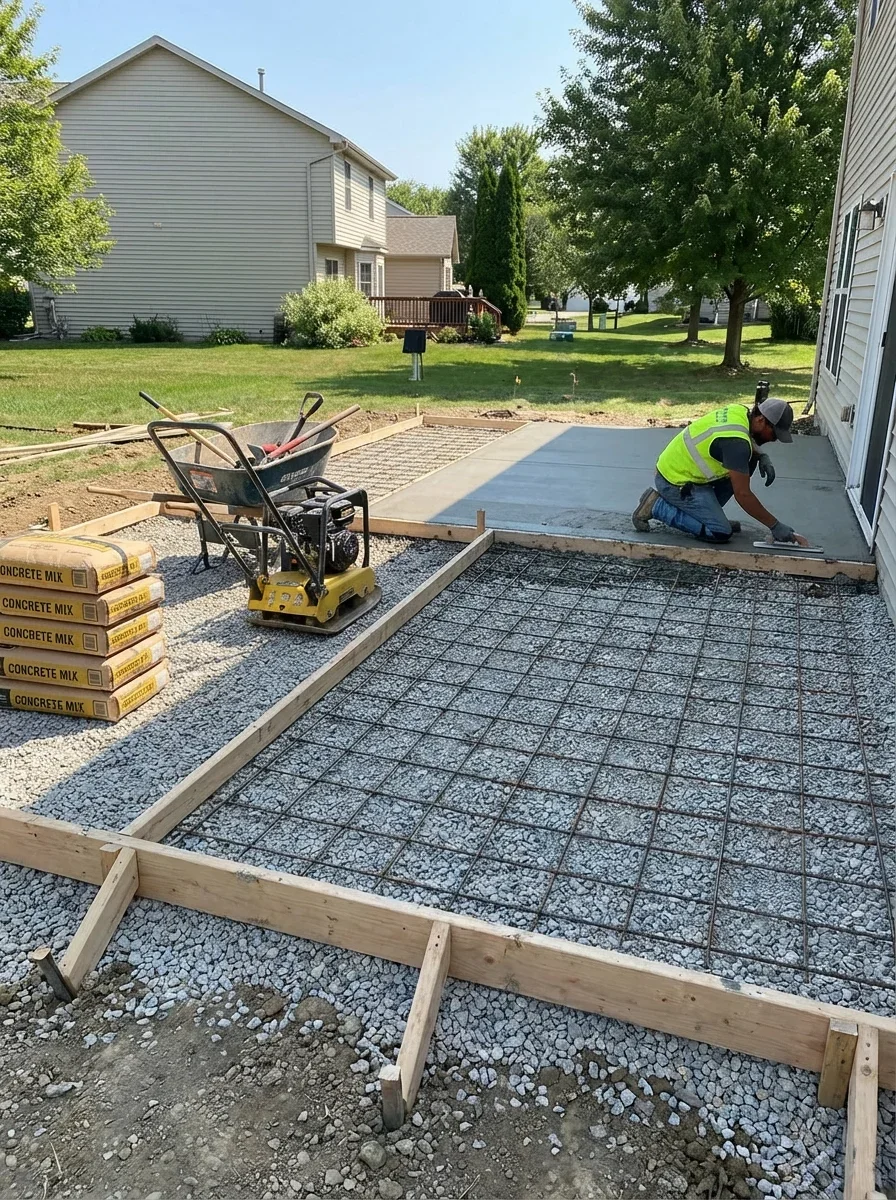
Concrete Patio Installation: Designs, Costs & Hiring a Contractor
Connect with qualified concrete patio contractors. Learn about design options, cost factors, and what separates quality patio work from shortcuts.
Read Guide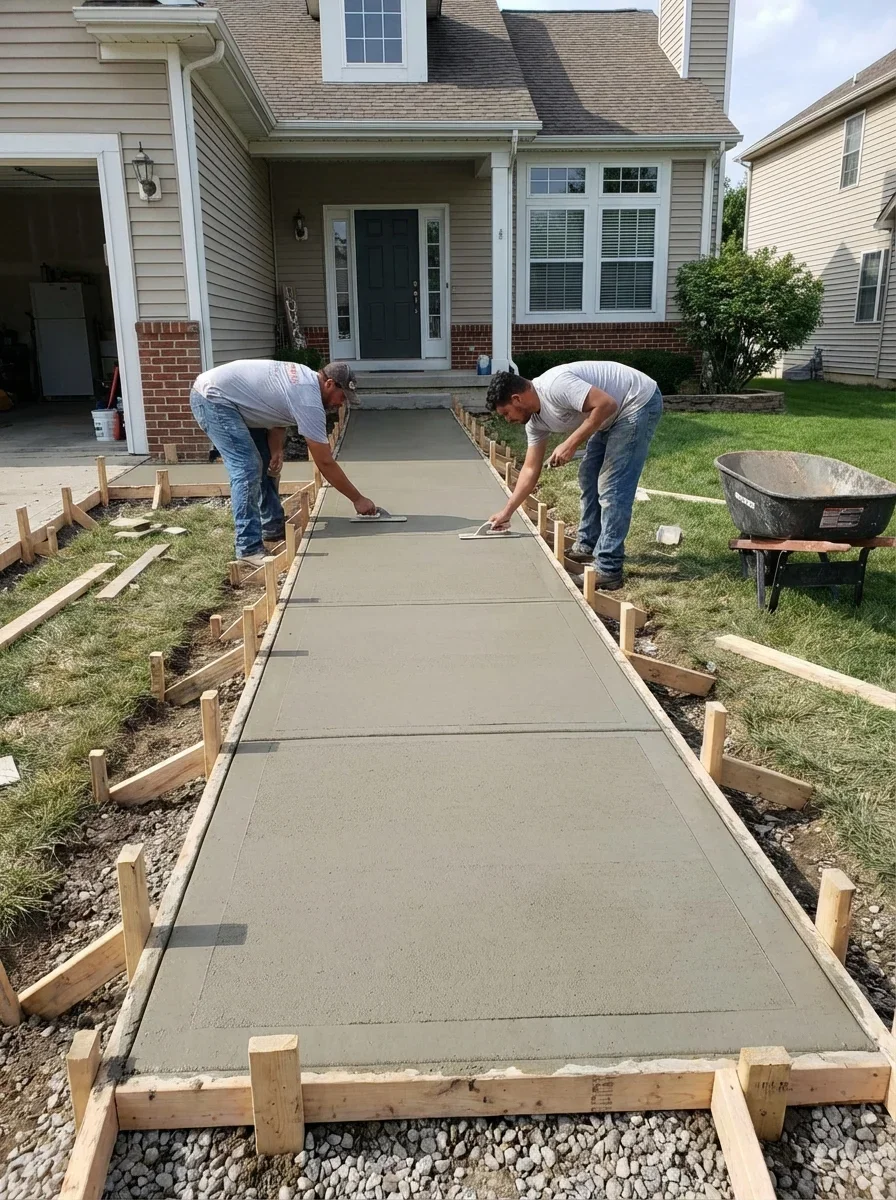
Residential Concrete Contractors: Services, Costs & How to Hire
Connect with licensed residential concrete contractors in Fox Valley. Compare quotes for driveways, patios, sidewalks, and more. Free estimates from vetted pros.
Read Guide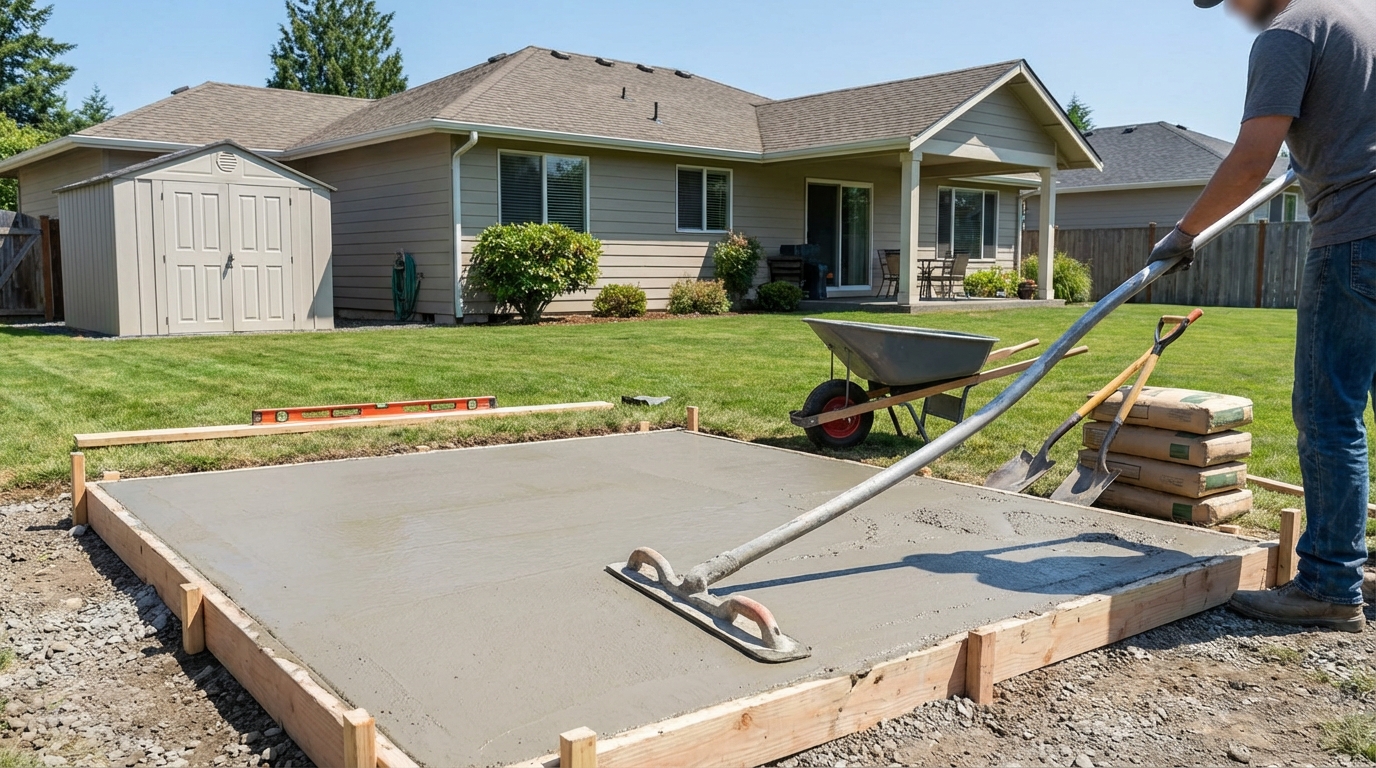
Residential Concrete Costs: What Small Jobs Really Cost
Small concrete projects have different pricing than large pours. Learn why contractors charge minimum fees, what drives small job costs, and how to get fair quotes.
Read Cost Guide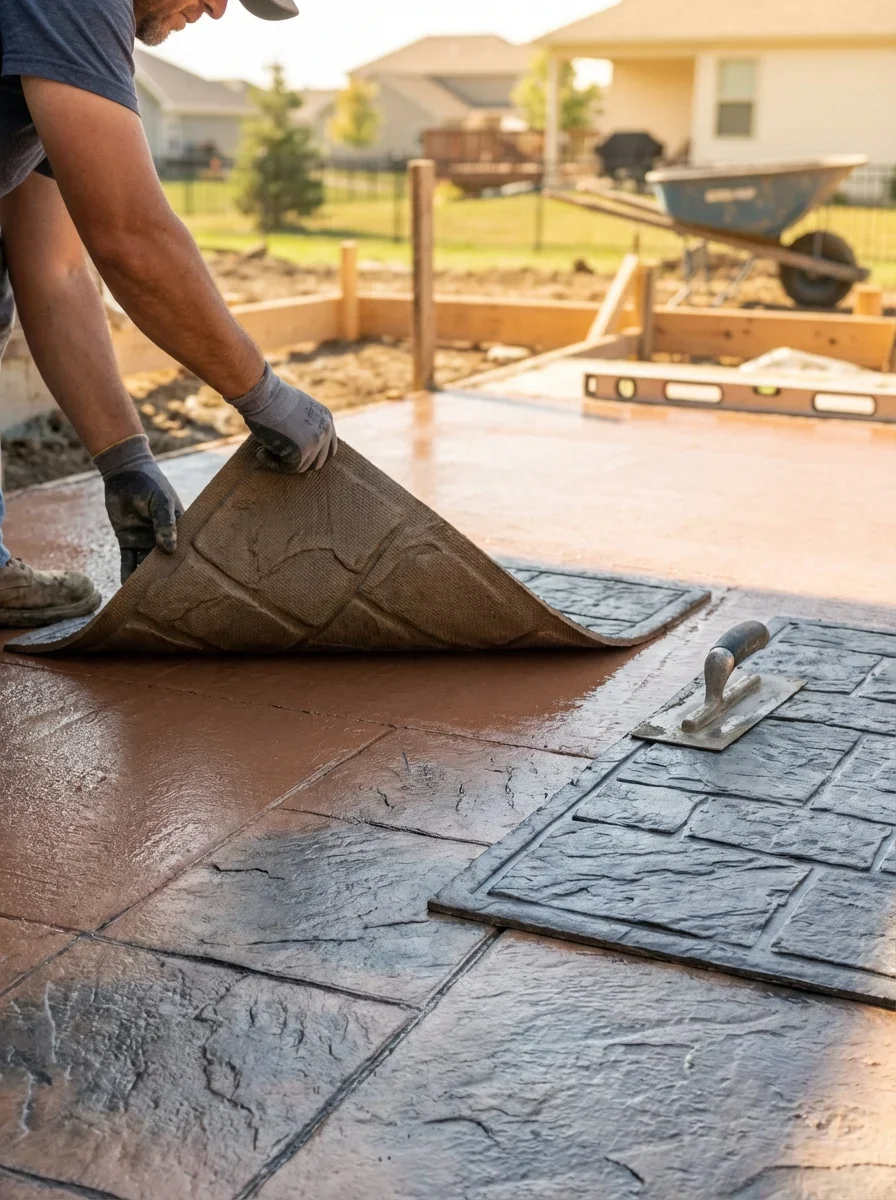
Stamped Concrete vs. Pavers vs. Regular Concrete: A Homeowner's Comparison
Compare stamped concrete, pavers, and standard concrete for patios. Learn cost differences, durability, maintenance, and when contractors recommend each option.
Read Guide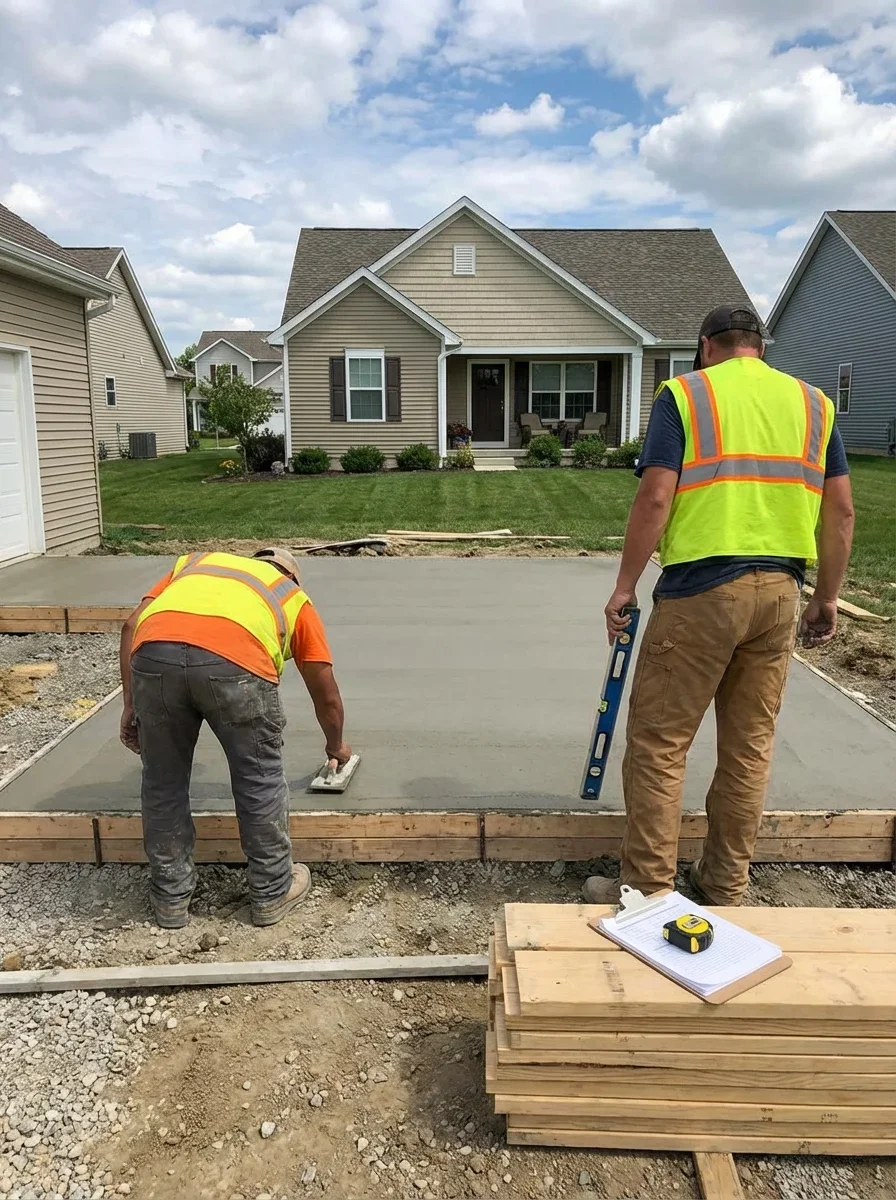
How Much Do Concrete Contractors Cost? Pricing Guide
Understand concrete contractor pricing in Fox Valley. Learn what drives costs, regional price ranges, and how to compare quotes from licensed professionals.
Read Cost Guide
Innovative Techniques and Technologies in Concrete Construction
Discover advanced concrete techniques and technologies available from today's contractors: from self-healing concrete to 3D texturing and eco-friendly mixes.
Read Guide
How to Choose the Right Concrete Contractor for Your Project
Learn what separates quality concrete contractors from the rest. Licensing, insurance, experience, equipment, and questions to ask before hiring for your project.
Read Guide