


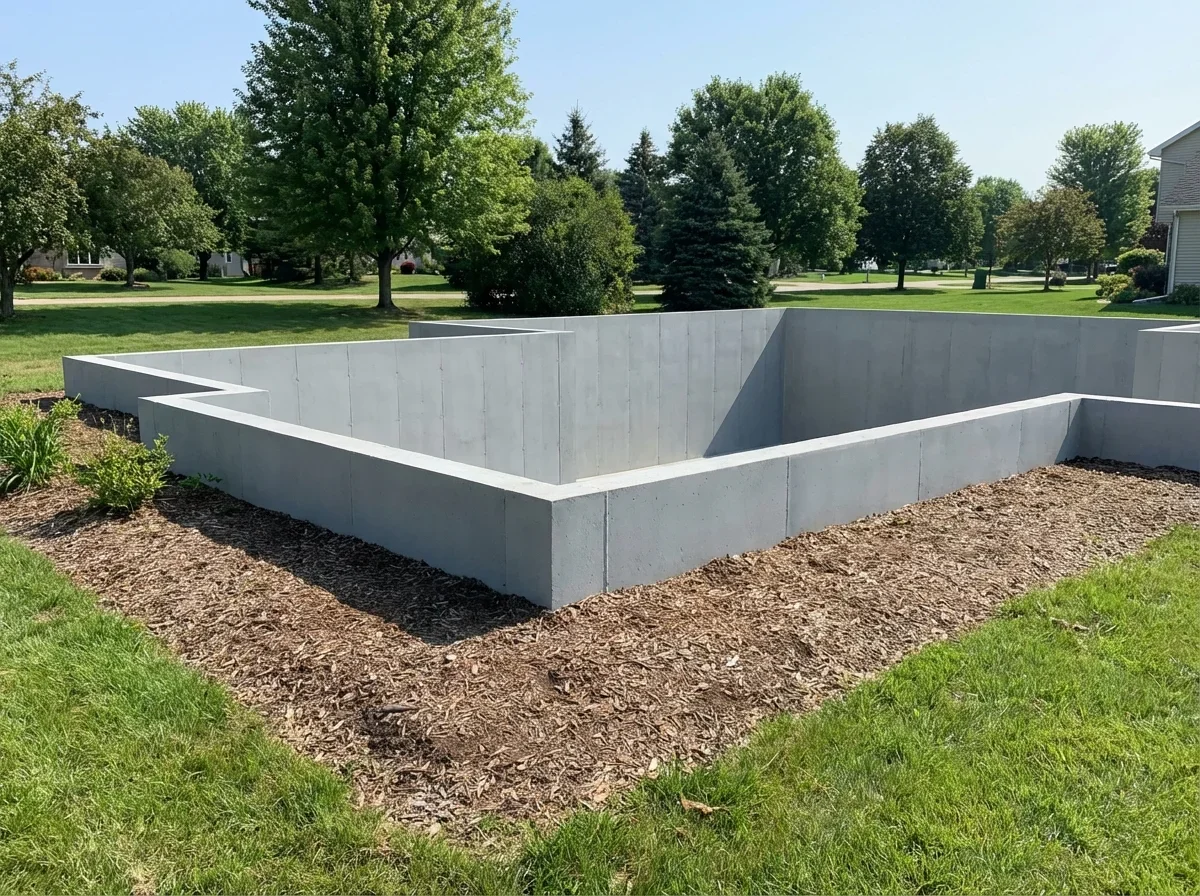
Signs Your Foundation Needs Attention
You notice it in small ways first. A door that drags on the frame. A crack in the basement wall that's grown since spring. Water pooling near the foundation after heavy rain. Then you start seeing the pattern — multiple cracks, uneven floors, gaps between walls and trim.
Foundation problems in Fox Valley don't stay small. Wisconsin's freeze-thaw cycles amplify every weakness. Water gets into minor cracks, freezes, expands, and turns hairline issues into structural ones. What costs $3,000 to fix in May can become a $15,000 problem by November.
The warning signs depend on what's failing:
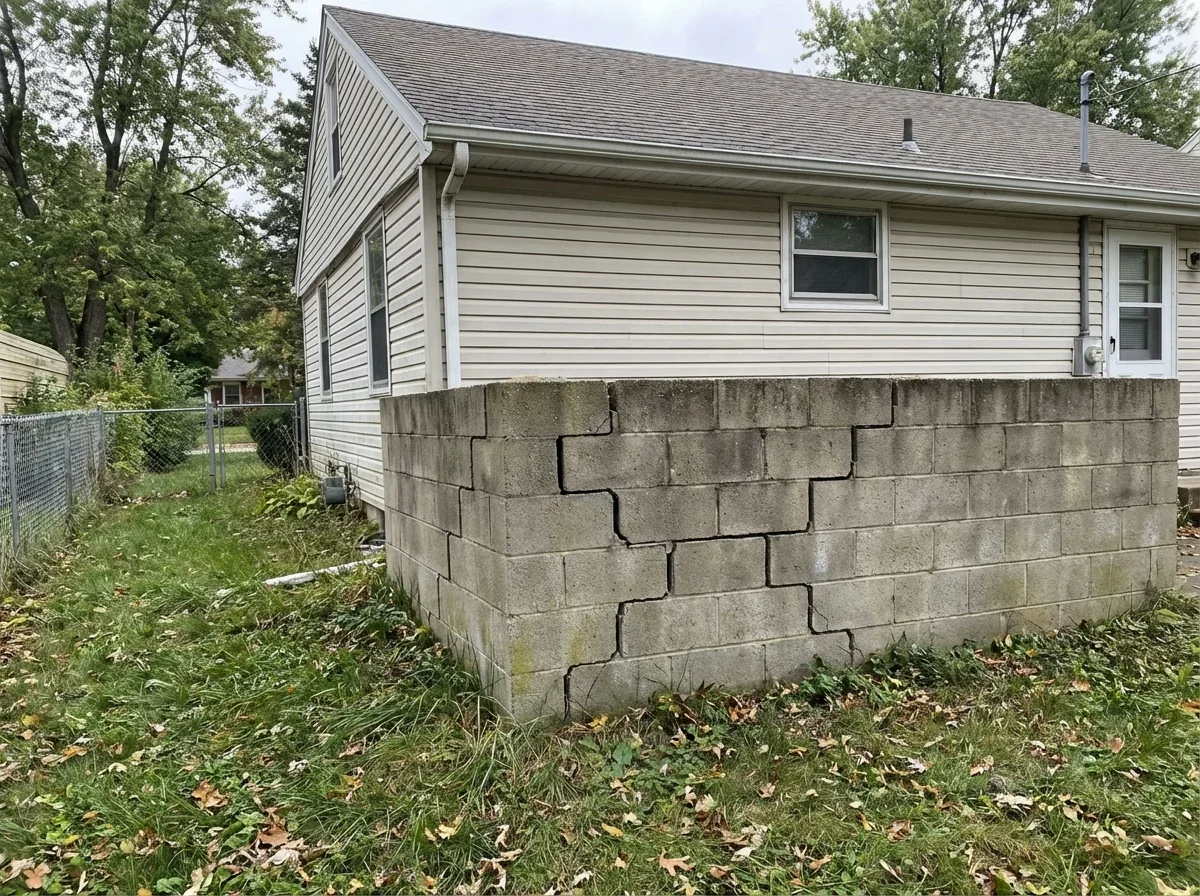
Structural settlement: Diagonal cracks from corners of windows and doors, sloping floors, gaps between walls and ceilings. This means the soil beneath is compressing unevenly or the footing wasn't poured deep enough for Wisconsin's 48-inch frost line.[1]
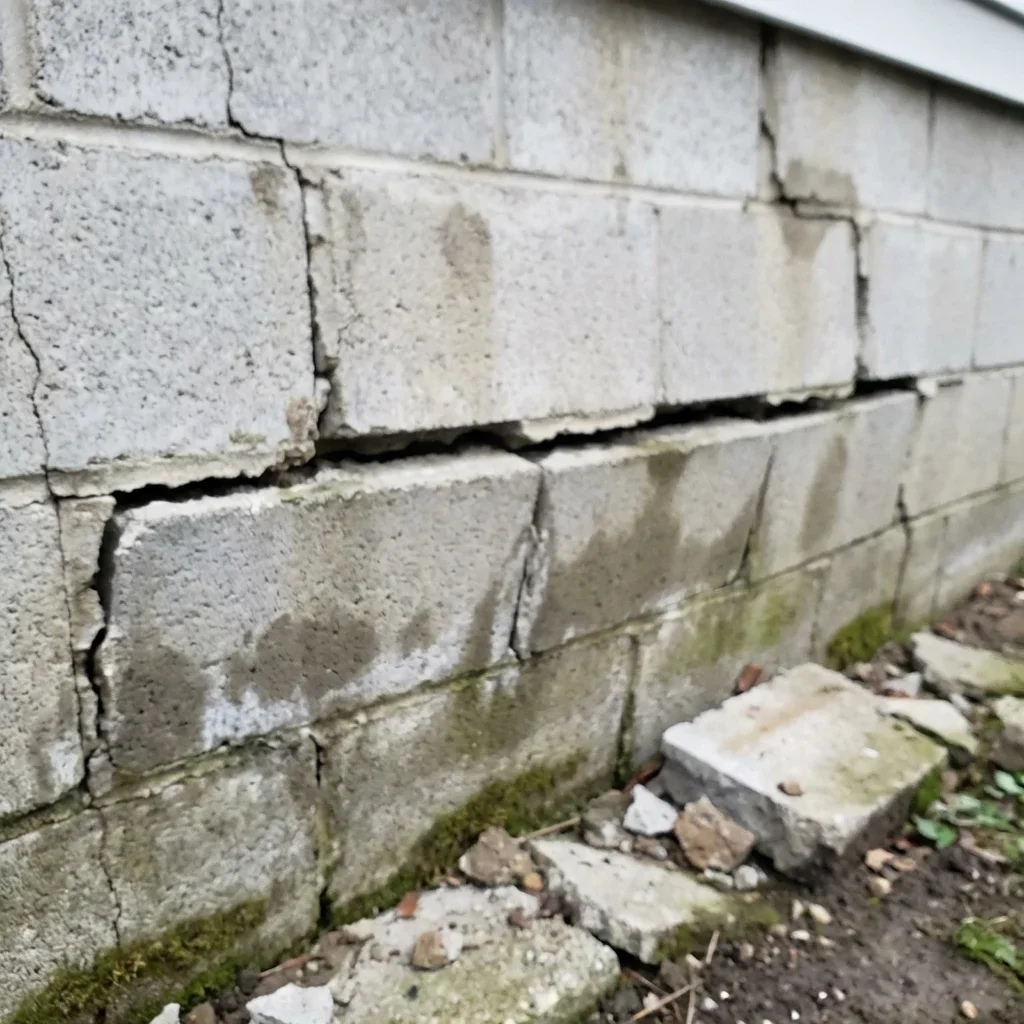
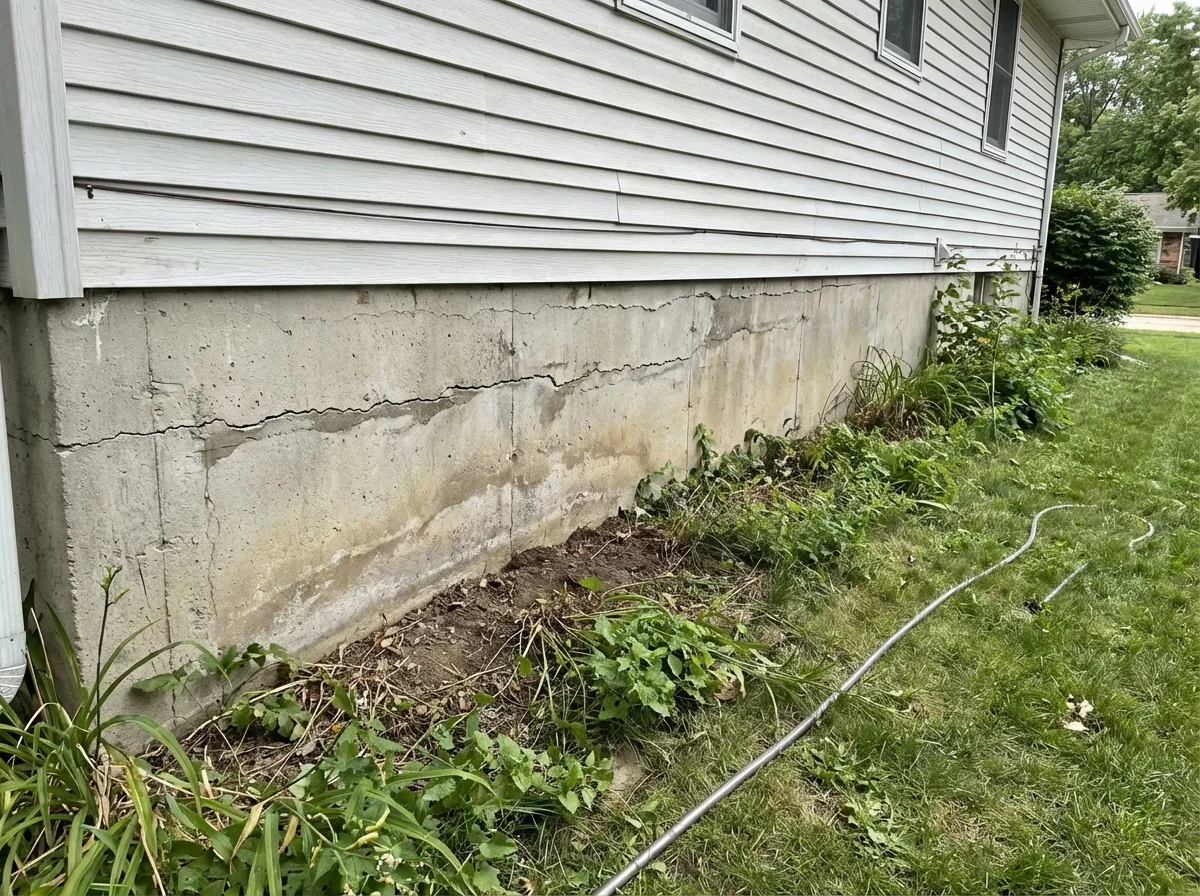
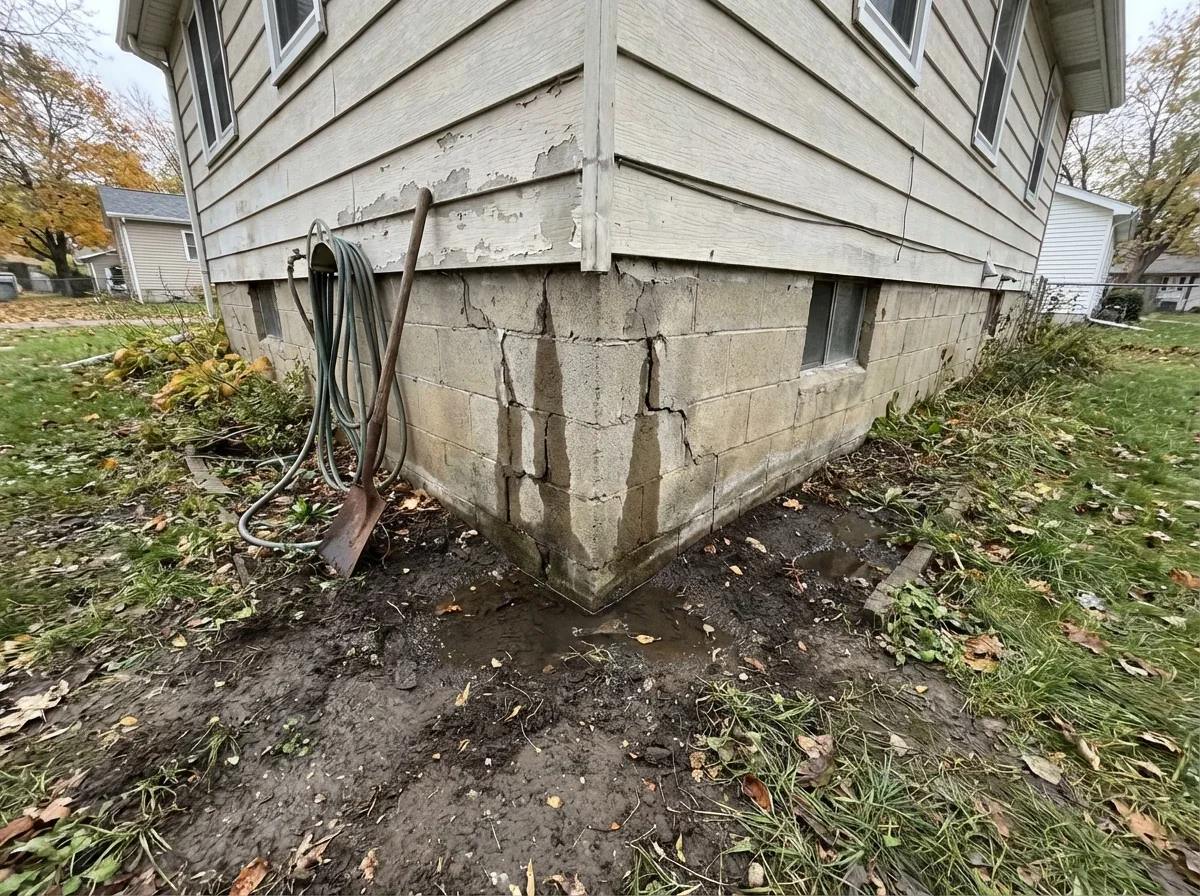
Lateral pressure: Horizontal cracks in basement walls, walls that bow inward, separated corners. Hydrostatic pressure from saturated soil pushes against walls. Common in Appleton and Neenah homes built before modern waterproofing standards.
Water intrusion: Efflorescence (white mineral deposits), rust on steel beams, musty odors, visible seepage. Water finds its way through cracks, failed membrane systems, or inadequate drainage. Once it's coming through, the foundation material starts degrading.
Sound familiar? You bought the house three years ago. The inspection noted "minor settling cracks — monitor." Now those cracks are twice as wide. Last month's storm left water on the basement floor. The dehumidifier runs constantly.
Homeowners in Green Bay and Oshkosh often wait because they confuse cosmetic cracks with structural ones. Here's the difference: cosmetic cracks are thin (less than 1/16 inch), vertical, and stable. Structural cracks widen over time, run horizontally or in stairstep patterns through block, and sometimes have offset edges where one side has moved.
Waiting costs more. A crack that needs carbon fiber reinforcement today might need wall replacement next year. Differential settlement that could be stabilized with helical piers will eventually require lifting and releveling the entire structure.
What Does Foundation Work Cost in the Fox Valley?
Foundation work ranges from $3,000 for targeted repairs to $35,000+ for full basement replacement. The number depends on whether you're fixing an existing foundation or installing new construction.
New Foundation Installation Pricing
| Foundation Type | Typical Cost | Best For |
|---|---|---|
| Poured Concrete Basement | $20,000-$35,000 | Full living space potential, high water table areas |
| Block Basement | $15,000-$28,000 | Budget-conscious, DIY finishing later |
| Crawlspace Foundation | $8,000-$15,000 | Sloped lots, smaller homes, lower cost |
| Slab-on-Grade | $5,000-$12,000 | Ranch homes, garages, additions |
These prices include excavation, footing pour (minimum 48 inches deep for Wisconsin frost protection[1]), walls, waterproofing membrane, and backfill. Contractors in Menasha and Kaukauna charge on the higher end when soil conditions require overexcavation and engineered fill.
A 4-inch reinforced slab runs approximately $5.90 per square foot in Wisconsin,[2] so a 1,200-square-foot garage slab costs around $7,000-$8,500 including site prep and finishing.
Poured concrete costs more upfront but delivers better water resistance — critical in Fox Valley where groundwater and clay soils create persistent hydrostatic pressure. Block foundations are easier to repair later but require skilled masonry to prevent water infiltration at mortar joints.
Foundation Repair Cost Factors
| Repair Type | Cost Range | Timeline |
|---|---|---|
| Crack injection (epoxy/polyurethane) | $400-$800 per crack | 1 day |
| Carbon fiber reinforcement strips | $4,000-$8,000 | 2-3 days |
| Wall anchors (bowing walls) | $6,000-$12,000 | 3-5 days |
| Helical piers (settlement) | $1,500-$3,000 per pier (usually need 6-12) | 1 week |
| Full wall replacement | $10,000-$20,000 per wall | 2-3 weeks |
Foundation repair averages $7.00 per square foot in Wisconsin with a range of $3.00-$11.00 depending on severity.[2] Minor crack repairs fall on the low end. Structural stabilization with piers or wall replacement hits the upper range.
The cost multiplier is water damage. A foundation crack that's dry costs $600 to inject. The same crack with active water intrusion needs exterior excavation, membrane repair, and drainage correction — now you're at $3,500-$5,000.
Seasonal timing affects price too. Contractors in De Pere and Little Chute book foundation work months ahead for summer installation when ground conditions are optimal. Emergency repairs in winter when frozen ground complicates excavation can add 20-30% to costs.
The Foundation Installation Process
Foundation work follows a strict sequence. Skip steps or rush curing times and you build problems into the structure.
Site Preparation and Excavation
The contractor locates utilities, establishes drainage away from the excavation, and digs to depth. For basements in Greenville or Seymour, that means excavating 8-9 feet — deep enough for 48-inch footings below frost line plus wall height.[1]
Soil conditions dictate excavation methods. Clay soils (common throughout Fox Valley) hold vertical cuts well but trap water. Sandy soils drain better but need shoring to prevent collapse. The excavator slopes or shores walls according to OSHA requirements — typically 1.5:1 for clay, steeper for sand.
Footing trenches get dug another 12-18 inches below basement floor level. Width depends on wall type and load — usually 16-20 inches for residential basements.
Footing Pour and Curing
Rebar goes into footing trenches in a grid pattern — #4 bar (½-inch diameter) at 12-18 inch spacing. Concrete trucks pour footings to the top of forms. Minimum 3,000 PSI concrete for foundations in Wisconsin.
Footings cure for 3-7 days before wall construction. Don't rush this. Concrete reaches 70% of full strength in 7 days, but needs at least 3 days before bearing wall weight. Contractors who pour footings and walls the same day are cutting corners that show up as settlement cracks years later.
Wall Construction and Waterproofing
Poured concrete: Forms go up on both sides of the footing. Rebar or wire mesh reinforcement ties to dowels left in the footing. Concrete pours in lifts (sections) to prevent segregation. Vibrators consolidate concrete around rebar. Forms strip after 2-3 days. Total cure time before backfill: 7-10 days.
Block foundation: Masons lay concrete block on the footing, filling cores with concrete and rebar vertically every 4 feet and horizontally in bond beams. Slower than poured but allows for inspection of each course.
Waterproofing happens before backfill while walls are accessible. Spray-applied rubberized asphalt or membrane sheets cover exterior walls from footing to grade. Dimple board or drainage mat goes over waterproofing to channel water down to footing drains.
Perimeter drain tile (perforated pipe) installs at footing level, sloped to daylight or sump basin. Gravel surrounds the pipe for drainage. This system prevents hydrostatic pressure buildup that causes basement leaks and bowing walls.
Backfill happens in 12-inch lifts, compacted with a plate tamper or roller. Proper compaction prevents settlement that can crack foundation walls or pull them inward.
How to Choose a Foundation Contractor
Foundation work is structural. You're not hiring someone to make things look nice — you're hiring them to hold up your house. The wrong contractor leaves you with a liability. The right one gives you decades of stability.
Start with licensing and insurance. Wisconsin requires contractors to register with the Department of Safety and Professional Services. Verify registration status online. Confirm they carry general liability insurance ($1 million minimum) and workers' compensation. Foundation work involves heavy equipment and excavation — injuries happen.
Ask these questions before hiring:
How do you handle Wisconsin's frost line requirements? The answer should reference 48-inch minimum footing depth[1] and accommodation for local frost depth. Contractors working in Shawano and Freedom deal with slightly deeper frost penetration than Appleton.
What's your waterproofing system? Exterior membrane application, drainage board, and footing drain should be standard. Interior-only waterproofing (like basement sealing paint) doesn't address the source and fails within years.
Do you handle soil issues? Clay soils need different treatment than sandy soils. Overexcavation and replacement with engineered fill adds cost but prevents settlement. Get specific about their soil testing and preparation process.
What does your warranty cover? Structural warranties should run 5-10 years minimum. Waterproofing warranties vary — look for transferable coverage that protects through a home sale.
Red flags that signal problems:
- Quotes significantly below others (20%+ lower usually means cut corners)
- Pressure to start immediately without proper permits
- No references from local projects in the past 3 years
- Vague answers about waterproofing methods
- Unwillingness to provide written scope of work
Foundation contractors in Oshkosh and Green Bay who do quality work stay busy. They book weeks or months ahead during construction season. They provide detailed proposals with material specifications, engineering stamps for structural repairs, and clear payment schedules tied to completion milestones.
For foundation repairs specifically: Get a structural engineer's assessment before accepting contractor bids. Engineers identify the cause (settlement, lateral pressure, water damage) and specify appropriate solutions. Some contractors push expensive fixes for problems that need simpler solutions. An independent engineer report ($500-$800) can save you thousands in unnecessary work.
Compare at least three contractors with similar approaches. The lowest bid on foundation work often becomes the most expensive after you fix what they did wrong.
Frequently Asked Questions
The most expensive foundation repairs in Wisconsin are:
- Underpinning (piering) — Lifting and reinforcing a settled or sinking foundation by driving steel pilings or concrete piers deep into stable soil; costs $1,000–$3,000+ per pier, often requiring 10–20+ piers ($15,000–$60,000+)
- Full basement waterproofing/excavation — Excavating around an entire foundation exterior, installing drainage systems, sump pumps, and membrane coatings; typical cost $10,000–$40,000+
- Foundation replacement or relocation — In severe cases, replacing the entire foundation or moving a structure; costs $50,000–$150,000+ (rarely done)
- Structural crack repair and sealing — Major structural cracks requiring epoxy injection, reinforcement, and excavation; $3,000–$15,000+
- Frost heave repair — Wisconsin-specific: repairing damage from frozen ground pressure; often requires underpinning or drainage improvements ($10,000–$35,000+)
Key driver: Wisconsin's 3.5–4-foot frost line and seasonal freeze–thaw cycles cause significant foundation stress. Proactive drainage, proper grading, and early crack sealing ($500–$2,000) prevent costly major repairs.
- International Code Council (via Wisconsin Building Codes). "Frost Protection Depths (Table 22.1.1.1)." https://up.codes/viewer/wisconsin/ibc-2015/chapter/18/soils-and-foundations#table_22.1.1.1. Accessed February 10, 2026.
- ProMatcher (industry cost data aggregator). "Cost of Foundation Repair in Wisconsin." https://foundation.promatcher.com/cost/wisconsin-foundation-costs-prices.aspx. Accessed February 10, 2026.
Related Articles
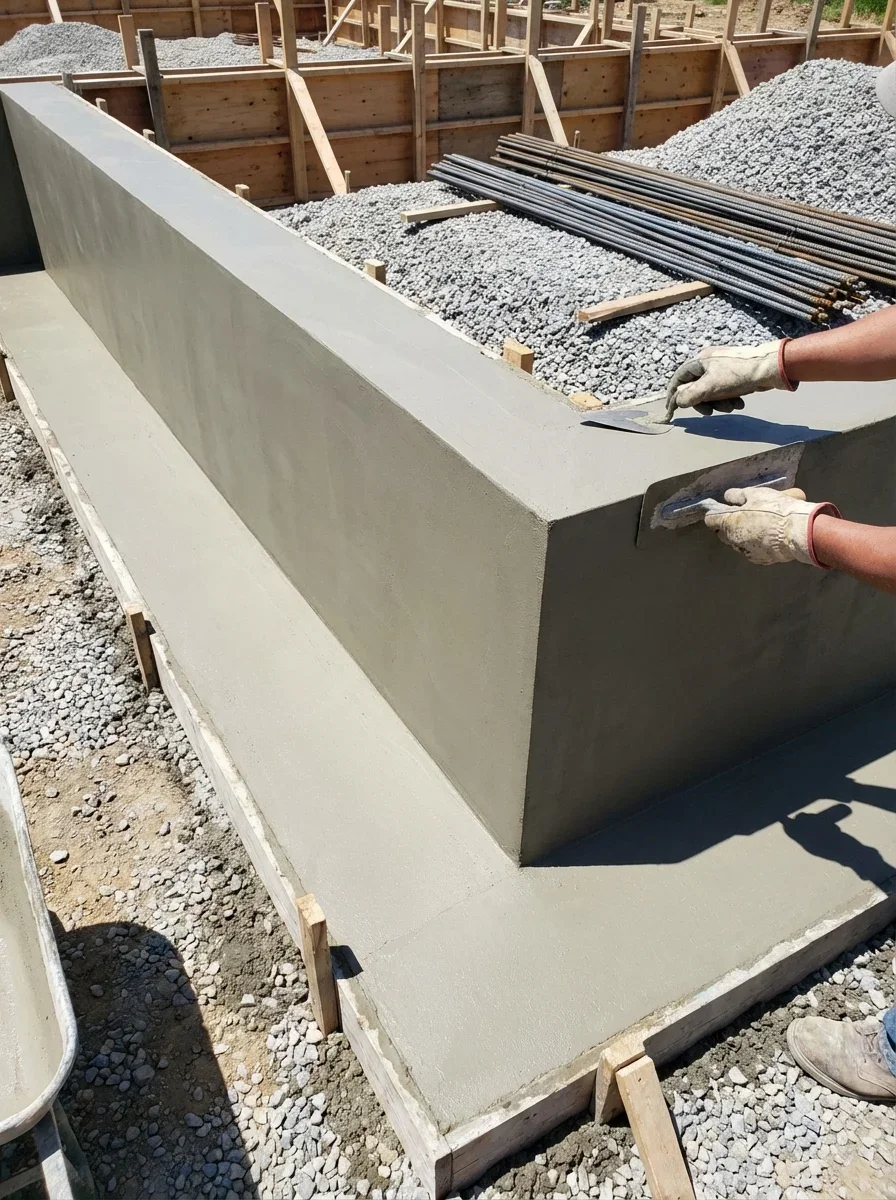
Concrete Foundation Contractors: What Homeowners Need to Know
Everything homeowners need to know about hiring concrete foundation contractors. Learn about foundation types, what quality work looks like, and how to find licensed pros.
Read Guide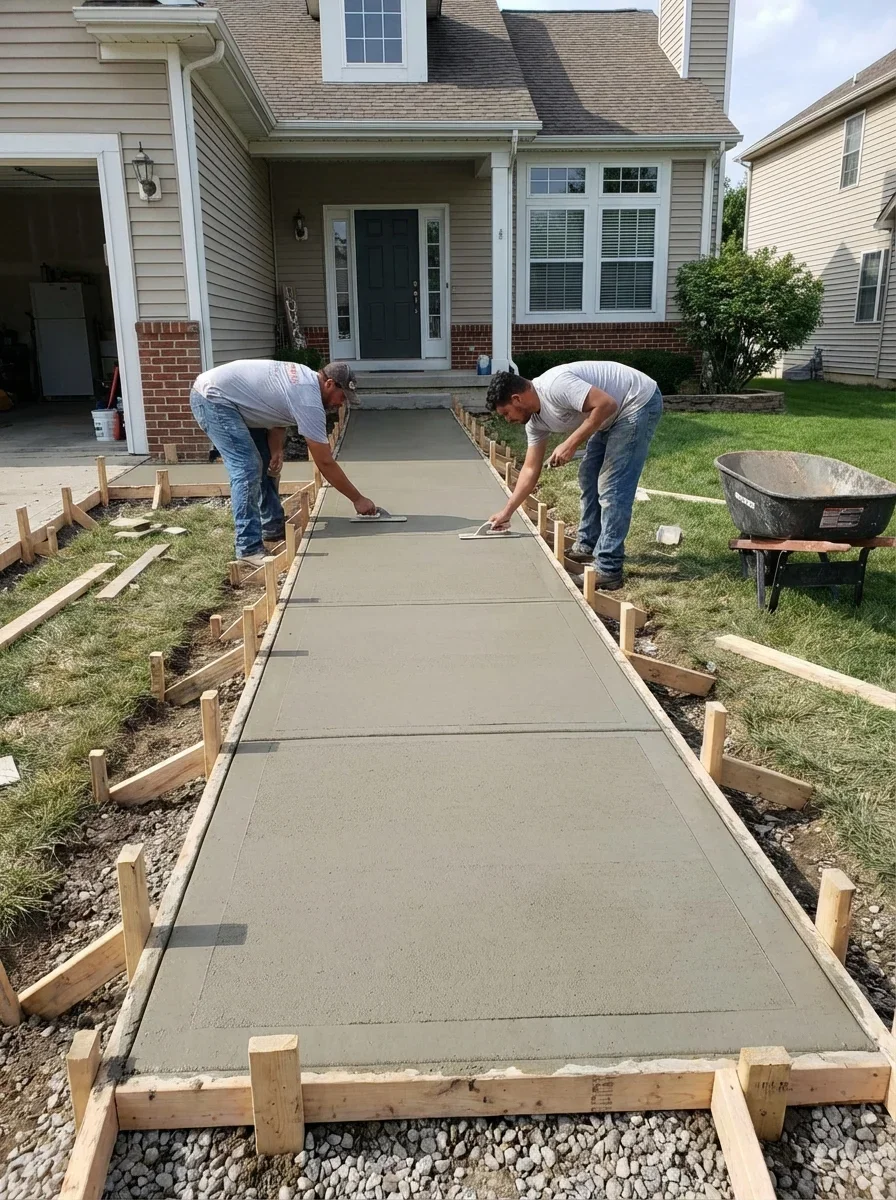
Residential Concrete Contractors: Services, Costs & How to Hire
Connect with licensed residential concrete contractors in Fox Valley. Compare quotes for driveways, patios, sidewalks, and more. Free estimates from vetted pros.
Read Guide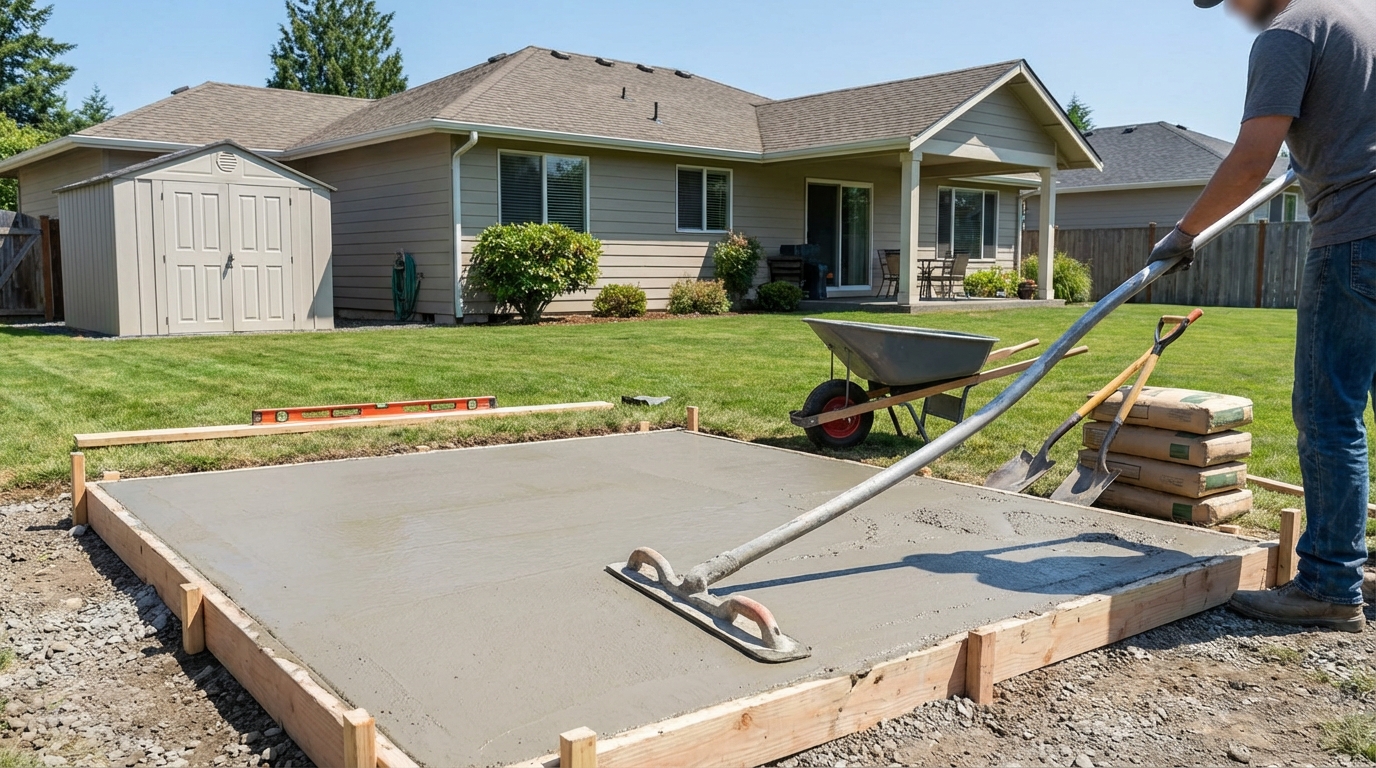
Residential Concrete Costs: What Small Jobs Really Cost
Small concrete projects have different pricing than large pours. Learn why contractors charge minimum fees, what drives small job costs, and how to get fair quotes.
Read Cost Guide
Innovative Techniques and Technologies in Concrete Construction
Discover advanced concrete techniques and technologies available from today's contractors: from self-healing concrete to 3D texturing and eco-friendly mixes.
Read Guide
How Much Do Concrete Contractors Cost? Pricing Guide
Understand concrete contractor pricing in Fox Valley. Learn what drives costs, regional price ranges, and how to compare quotes from licensed professionals.
Read Cost Guide
How to Choose the Right Concrete Contractor for Your Project
Learn what separates quality concrete contractors from the rest. Licensing, insurance, experience, equipment, and questions to ask before hiring for your project.
Read Guide
Licensing and Insurance: What to Verify Before Hiring a Concrete Contractor
Learn what credentials to verify before hiring a concrete contractor in Wisconsin. Understand licensing requirements, insurance types, and how to protect yourself.
Read Guide