

When Do You Need Driveway Repair?
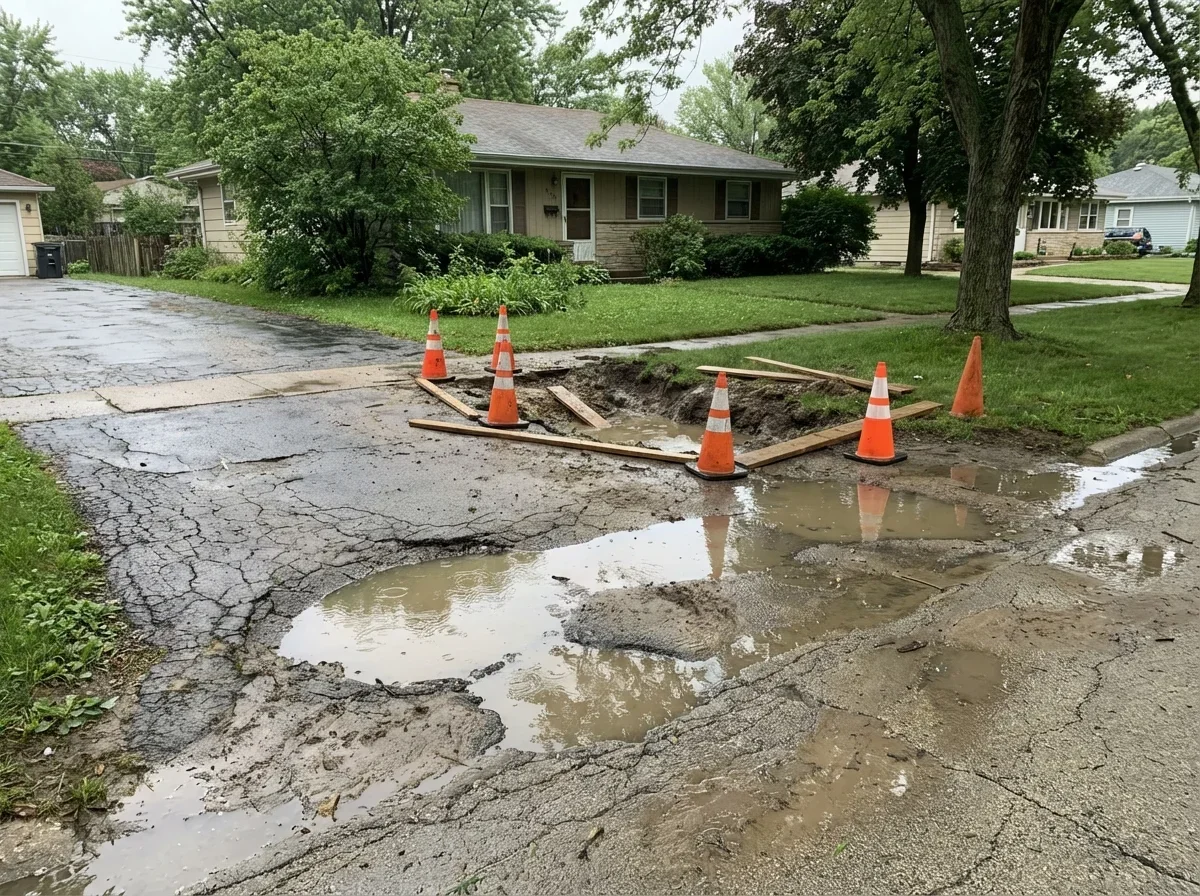
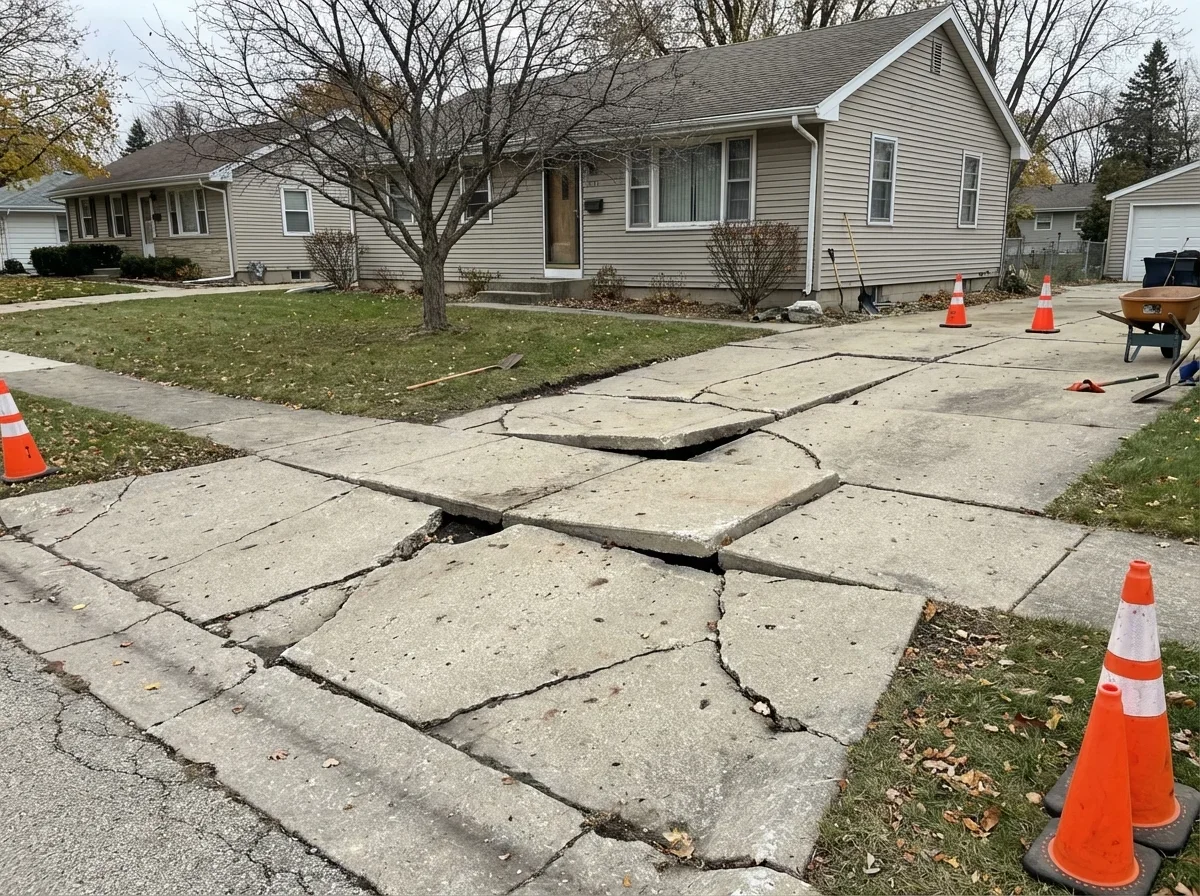
You see it every time you pull in. That crack that appeared two years ago? It's doubled in width. The corner that settled last spring? Now it's a full inch lower, collecting water that freezes and makes everything worse.
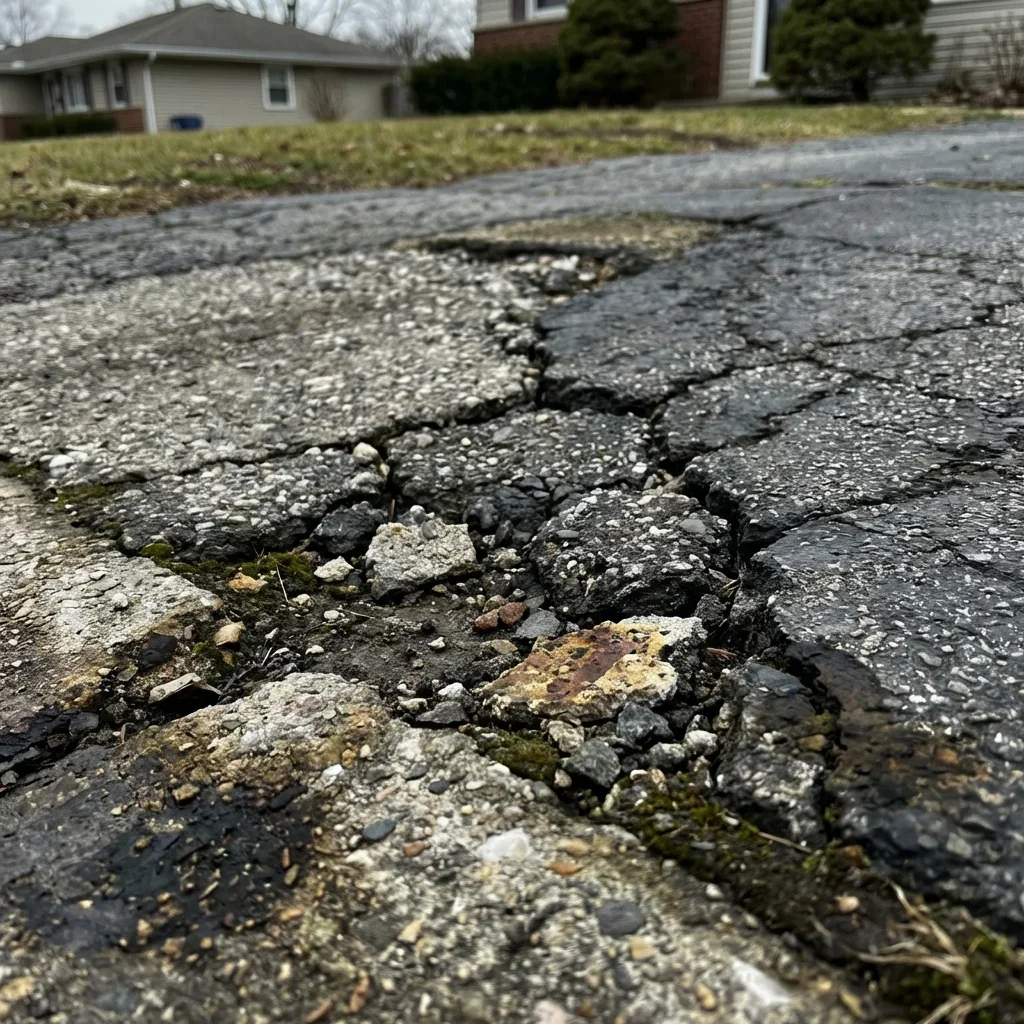
Freeze-thaw cycles destroy driveways. Water seeps into tiny cracks, freezes overnight when temps drop into the 20s, expands, and breaks concrete apart from the inside. It happens 40-60 times every Wisconsin winter. A hairline crack becomes a quarter-inch gap. A small spall becomes a pothole.
Surface Damage vs. Structural Issues
Surface problems look bad but stay manageable. Structural problems get expensive if you wait.
Surface damage you can repair:
- Hairline cracks under 1/4 inch wide
- Minor spalling (flaking) on the top layer
- Small areas of discoloration from salt staining
- Rough texture from wear
Structural issues that need immediate attention:
- Cracks wider than 1/4 inch (water infiltration accelerates)
- Sunken sections creating drainage problems
- Multiple cracks forming a spiderweb pattern
- Chunks breaking off at expansion joints
Warning Signs That Require Immediate Attention
Homeowners in Appleton and Green Bay often ignore the early warnings. By the time they call, repair costs have tripled.
Settlement near the garage creates a trip hazard and funnels water toward your foundation. That starts at $300-500 to mudjack. Wait until foundation water damage appears? You're looking at $3,000-8,000 in foundation repair.
Sound familiar? Your driveway has a crack running from the garage to the street. You tried that rubberized crack filler from the hardware store. It lasted one winter. Now the crack is twice as wide and water pools there every time it rains.
Wide cracks allow water penetration that deteriorates the base material underneath. In Oshkosh and Neenah, where clay soils expand and contract, this creates a vicious cycle: water weakens the base, concrete settles, cracks widen further, more water enters.
When damage exceeds 30-40% of your driveway surface, or when you have deep structural cracking throughout, replacement makes more financial sense than patching.[1] But most driveways hitting that threshold could have been saved with $500-1,500 in repairs two years earlier.
What Does Driveway Repair Cost in the Fox Valley?
The question you actually want answered: “Can I fix this for under a grand, or am I looking at full replacement?” Most driveway repairs cost $200–$2,800. Full replacement runs $4,000–$12,000.
Repair Options by Severity
Crack Filling
MinorIsolated cracks under 1/4”. Professional routing + commercial-grade polyurethane that flexes with seasonal movement. Lasts 3–5 years vs. 6–18 months for DIY tube filler.
Partial Resurfacing
Moderate20–40% surface damage. Targeted overlay on damaged areas with bonding agent. Blends with existing surface.
Full Resurfacing
SignificantWidespread spalling, pitting, or discoloration across 40%+ of the driveway. Grinding, bonding agent, 1/4–1/2” overlay, sealing. Lasts 8–15 years.
Mudjacking / Slab Leveling
SunkenLifts settled sections 2–6” back to original height. Polyurethane foam ($5–$12/sqft) cures in 24 hrs. Cement slurry ($3–$6/sqft) takes 2–3 days but costs less.
Full Replacement
Severe40%+ structural damage, heaving, or multiple failed repairs. Complete tearout and new pour with proper base prep.
The Real Cost of Waiting
The math changes when you account for how long repairs actually last in Wisconsin weather. The professional difference isn’t just the product — contractors rout out the crack to create a reservoir, clean it properly, and use commercial-grade materials that flex with seasonal movement.
The Driveway Repair Process
You're not hiring a contractor to show up and slap some filler in cracks. Professional driveway repair follows a specific sequence that determines whether the fix lasts 18 months or 15 years.
Assessment and Damage Evaluation
A qualified contractor spends 20-30 minutes walking your driveway before quoting anything.
They're checking:
- Crack patterns — random cracks indicate settlement, straight lines following control joints are normal expansion
- Slab height differences — measuring how much sections have dropped (indicates soil base issues)
- Drainage flow — where water goes, whether it pools, if it's reaching your foundation
- Surface condition — spalling depth, aggregate exposure, chemical damage from deicers
In Little Chute and Greenville, contractors see clay soil movement cause 60% of settlement issues. In Freedom and Seymour, sandy soils drain better but allow more erosion under slabs. The evaluation determines whether you need surface repair or base stabilization.
Repair Method Selection
The right repair method depends on damage type, not damage visibility. A big ugly crack might need $200 in filling. An invisible settlement issue might need $1,500 in mudjacking.
For crack repair:
- Routing — cutting the crack to 1/4-1/2 inch width with a concrete saw
- Cleaning — pressure washing, removing loose material
- Filling — flexible polyurethane or rigid epoxy depending on crack movement
- Sealing — surface sealant application across entire driveway
For resurfacing:
- Grinding — removing deteriorated surface layer, creating bonding profile
- Crack repair — filling any structural cracks before overlay
- Bonding agent — chemical bond between old and new concrete
- Overlay application — 1/4 to 1/2 inch polymer-modified concrete
- Finishing — broom finish, stamp pattern, or smooth trowel
- Sealing — after 28-day cure (timing matters in Wisconsin)
For mudjacking:
- Drilling — 1-2 inch holes through settled slab (foam: smaller holes than slurry)
- Injection — pumping material beneath slab while monitoring lift
- Monitoring — laser level ensures even raising, prevents over-lifting
- Patching — filling drill holes with concrete, color-matched
Execution and Curing
Timing matters in Wisconsin. Professional repairs happen May through September when temperatures stay above 50°F for proper curing.[2]
Crack filling cures in 24-48 hours. You can drive on it the next day.
Resurfacing requires 3-7 days before driving.[2] Full strength develops over 28 days. Contractors in Shawano know to check 10-day forecasts — a cold snap or heavy rain during cure week ruins the overlay.
Mudjacking with polyurethane foam? Drive on it in 24 hours. Cement slurry takes 2-3 days.
Most residential driveways in the Fox Valley take 1-3 days for repair work, depending on method and extent.
How to Choose a Driveway Repair Contractor
You'll get quotes from $400 to $2,800 for the same driveway. The difference isn't markup. It's what they're actually proposing to fix.
Credentials and Experience with Concrete Repair
General concrete contractors pour driveways. Repair specialists fix them. Different skill set.
Questions that separate pros from pretenders:
"What's causing this damage?" — They should explain soil movement, drainage issues, or freeze-thaw deterioration. If they just say "old concrete," they're guessing.
"Will you stabilize the base or just fill cracks?" — Surface repairs on unstable base fail within a year. Legitimate contractors address the foundation issue.
"What products do you use for crack filling?" — Store-grade asphalt crack filler fails fast. Look for polyurethane (DOW, BASF brands) or epoxy injection systems.
"Do you warranty the repair?" — 1-2 years on crack filling, 3-5 years on resurfacing, 5+ years on mudjacking. No warranty means they know it won't last.
Warranty and Material Quality
The $400 quote uses hardware store products and no base prep. The $1,200 quote includes proper surface prep, commercial-grade materials, and a 3-year warranty.
Red flags in quotes:
- No mention of crack routing or surface grinding
- "Seal coating" instead of actual crack repair
- Quotes given over the phone without seeing the driveway
- Pressure to decide today because of "material in the truck"
- No written warranty terms
What quality contractors include:
- Written assessment of damage causes (not just symptoms)
- Specific product names and manufacturer specs
- Timeline accounting for Wisconsin weather and cure requirements
- Warranty covering both materials and workmanship
- References from jobs completed 3-5 years ago (not last month)
The Fox Valley has contractors who've been repairing concrete driveways for 15+ years and others who started last season. The experienced ones explain why your driveway failed and how to prevent it recurring. The others fill cracks and hope you don't call back.
Compare contractors who understand Wisconsin soil conditions, freeze-thaw cycles, and drainage requirements. Your driveway faces different challenges than one in Tennessee or Arizona. The repair approach should reflect that reality.
Frequently Asked Questions
Driveway sealcoating costs depend primarily on the size of the surface, labor, material quality, and regional pricing. A typical Wisconsin residential driveway (500–1,000 sq ft) costs $100–$500 to seal, or $0.15–$0.50 per square foot.
Cost factors:
| Factor | Impact on Cost |
|---|---|
| Square footage | Larger driveways = more material and labor required; economies of scale reduce per-sq-ft cost on large projects |
| Material type | Basic asphalt emulsion: $0.10–$0.20/sq ft; acrylic latex: $0.15–$0.30/sq ft; high-quality polymer: $0.25–$0.50/sq ft |
| Surface condition | Clean, smooth surface costs less; heavily cracked or potholed surfaces may require crack repair ($1–$3/LF) before sealing |
| Labor | Contractor time includes prep (sweeping, power washing), application, and drying supervision; typically $40–$75/hour |
| Regional pricing | Urban Wisconsin areas (Madison, Milwaukee) cost more than rural regions; contractor demand and fuel costs vary seasonally |
| Frequency | First seal or after major repair costs more; maintenance seals every 2–3 years cost less (no prep needed) |
| Equipment & overhead | Sealcoating trucks, sprayers, and crew setup fees distribute across the job |
Sealcoating protects asphalt from UV damage, water penetration, and oxidation, extending driveway life 3–5 years and preventing costlier repairs—so the cost is an investment in durability, not pure expense.
- HomeGuide. "Driveway Repair Cost Factors and Guidelines." https://homeguide.com/costs/driveway-repair-cost. Accessed February 10, 2026.
- Angie's List. "Asphalt Driveway Services Guide for Appleton, WI." https://www.angi.com/companylist/us/wi/appleton/driveways.htm. Accessed February 10, 2026.
Related Articles
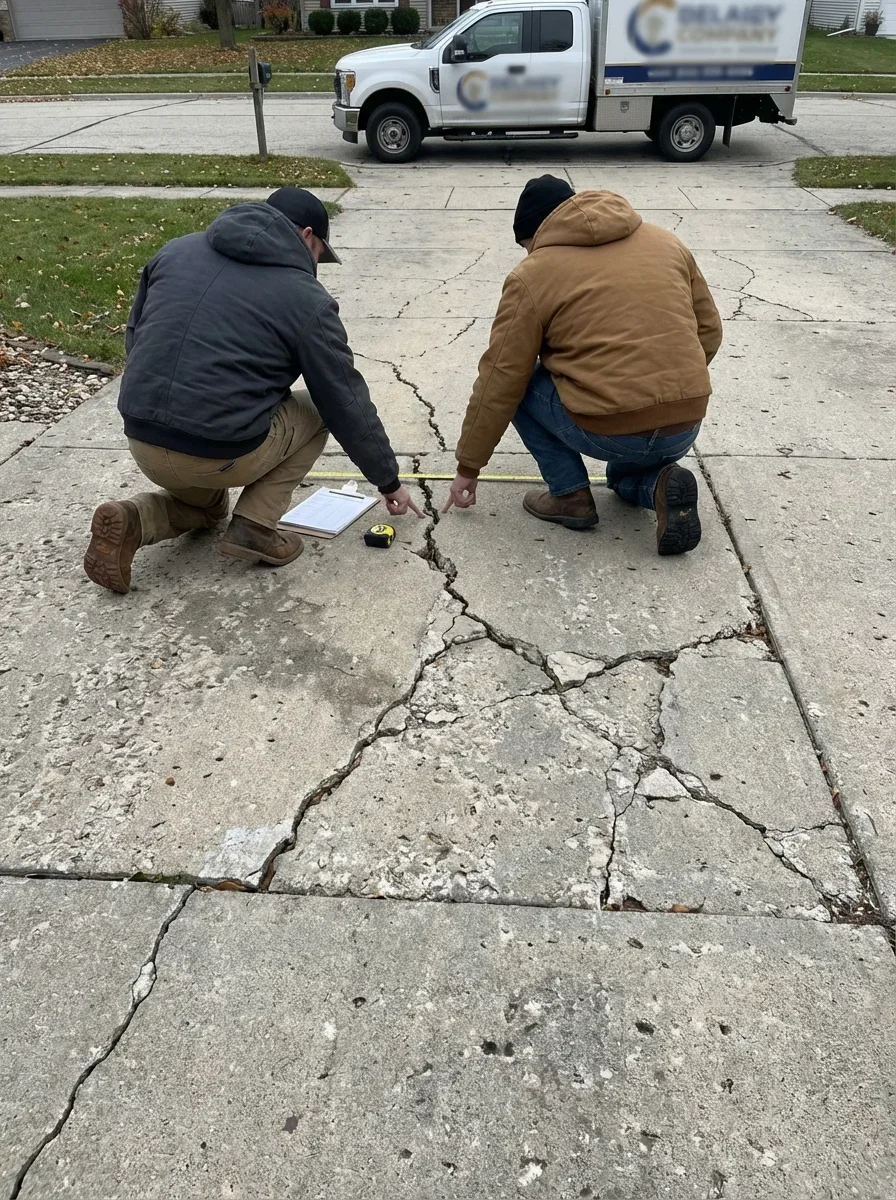
Concrete Driveway Repair: Signs You Need a Pro and What It Costs
Cracks, sinking, or surface damage? Learn when professional repair works, when replacement is needed, and what resurfacing and leveling cost.
Read Guide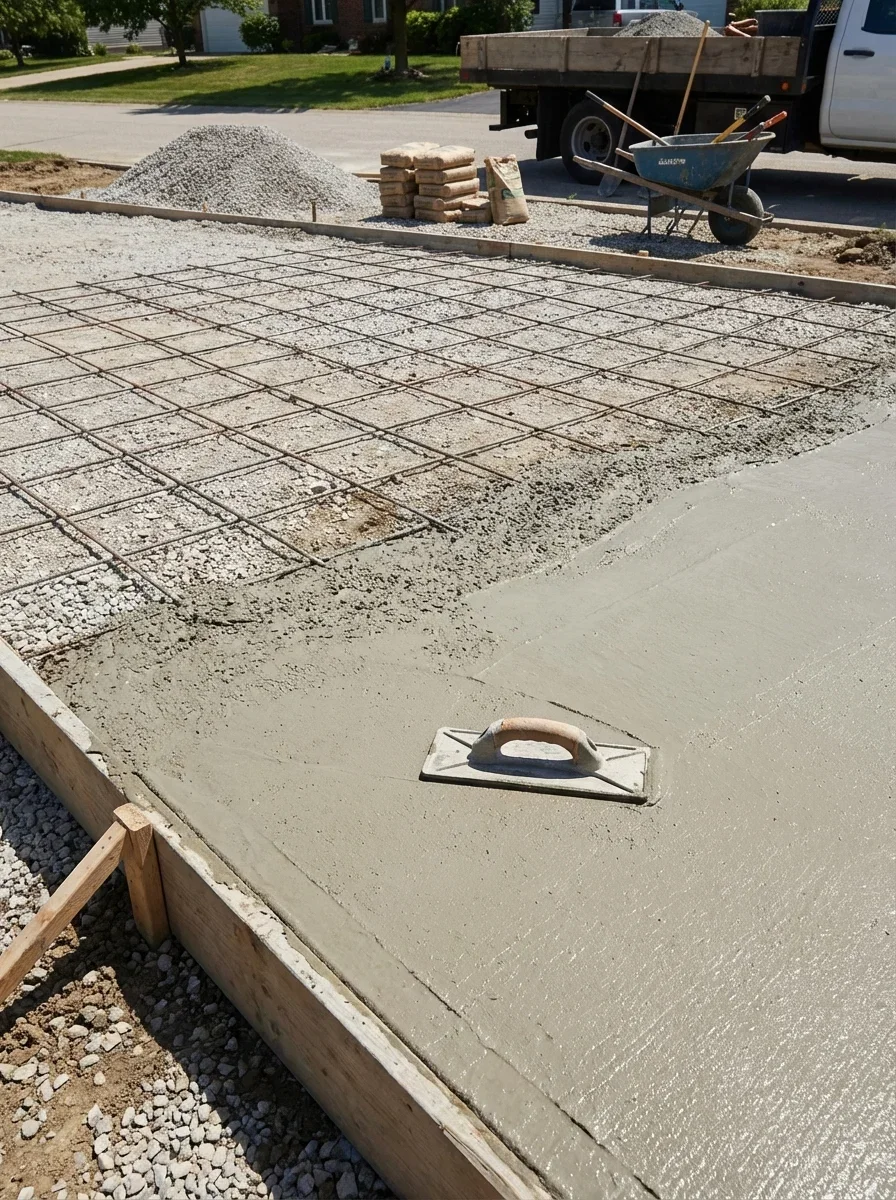
Concrete Driveway Services
Find qualified concrete driveway contractors in Fox Valley. Compare installation, repair, and resurfacing pros. Get free quotes from licensed contractors.
Read Guide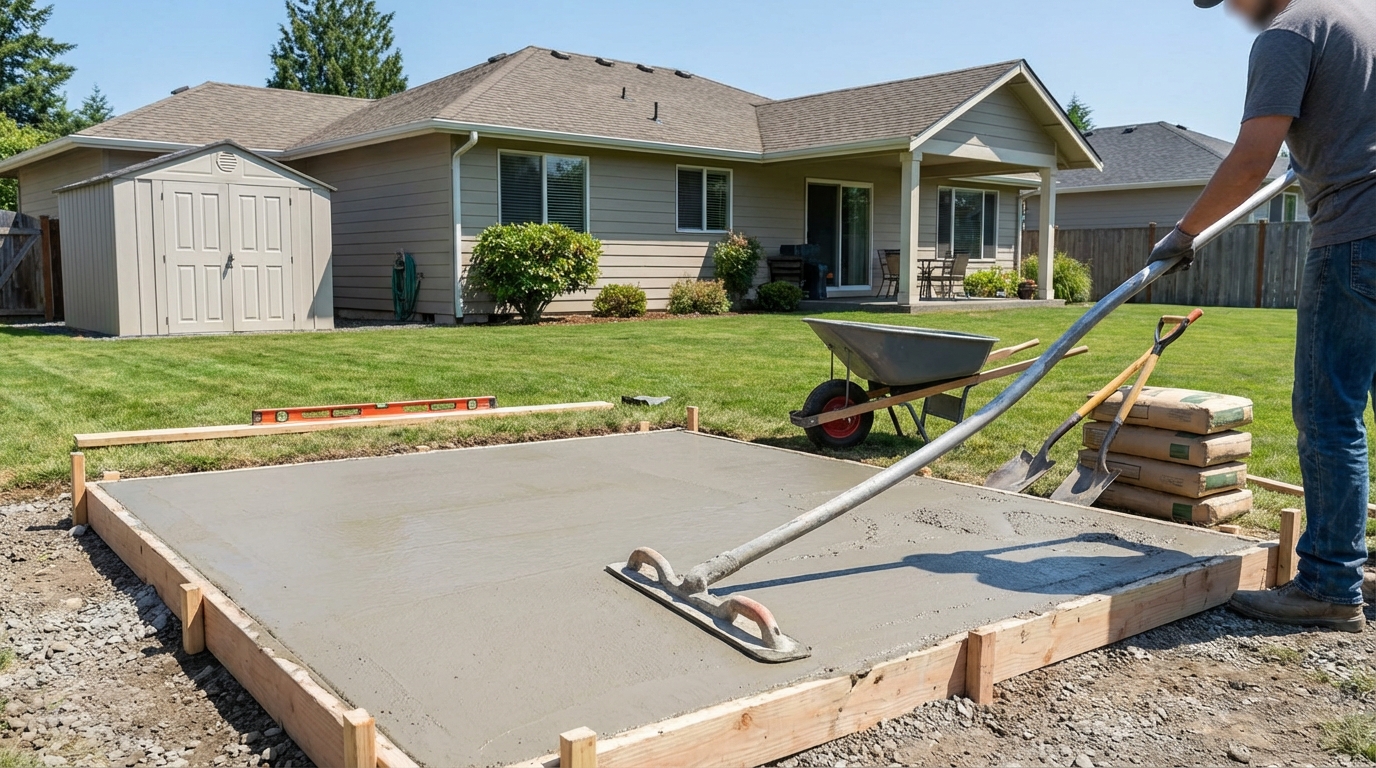
Residential Concrete Costs: What Small Jobs Really Cost
Small concrete projects have different pricing than large pours. Learn why contractors charge minimum fees, what drives small job costs, and how to get fair quotes.
Read Cost Guide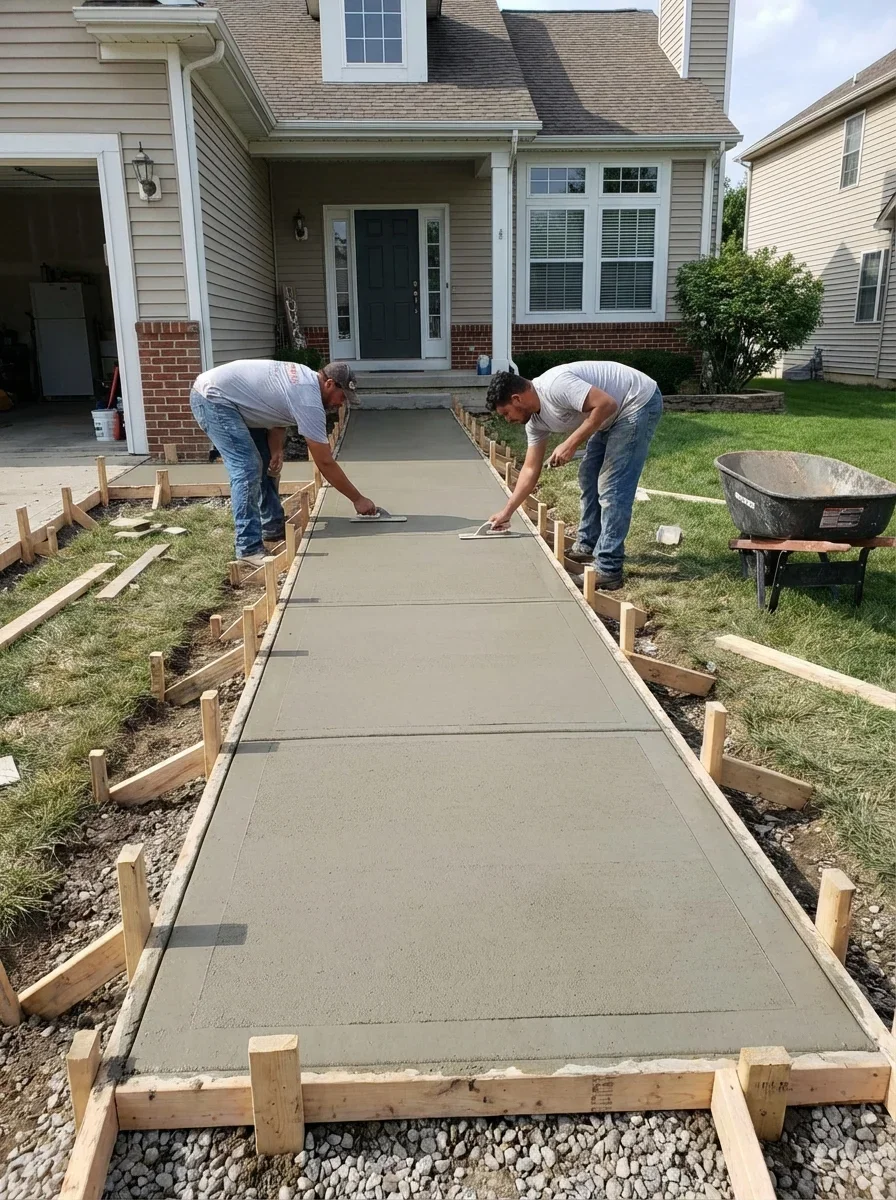
Residential Concrete Contractors: Services, Costs & How to Hire
Connect with licensed residential concrete contractors in Fox Valley. Compare quotes for driveways, patios, sidewalks, and more. Free estimates from vetted pros.
Read Guide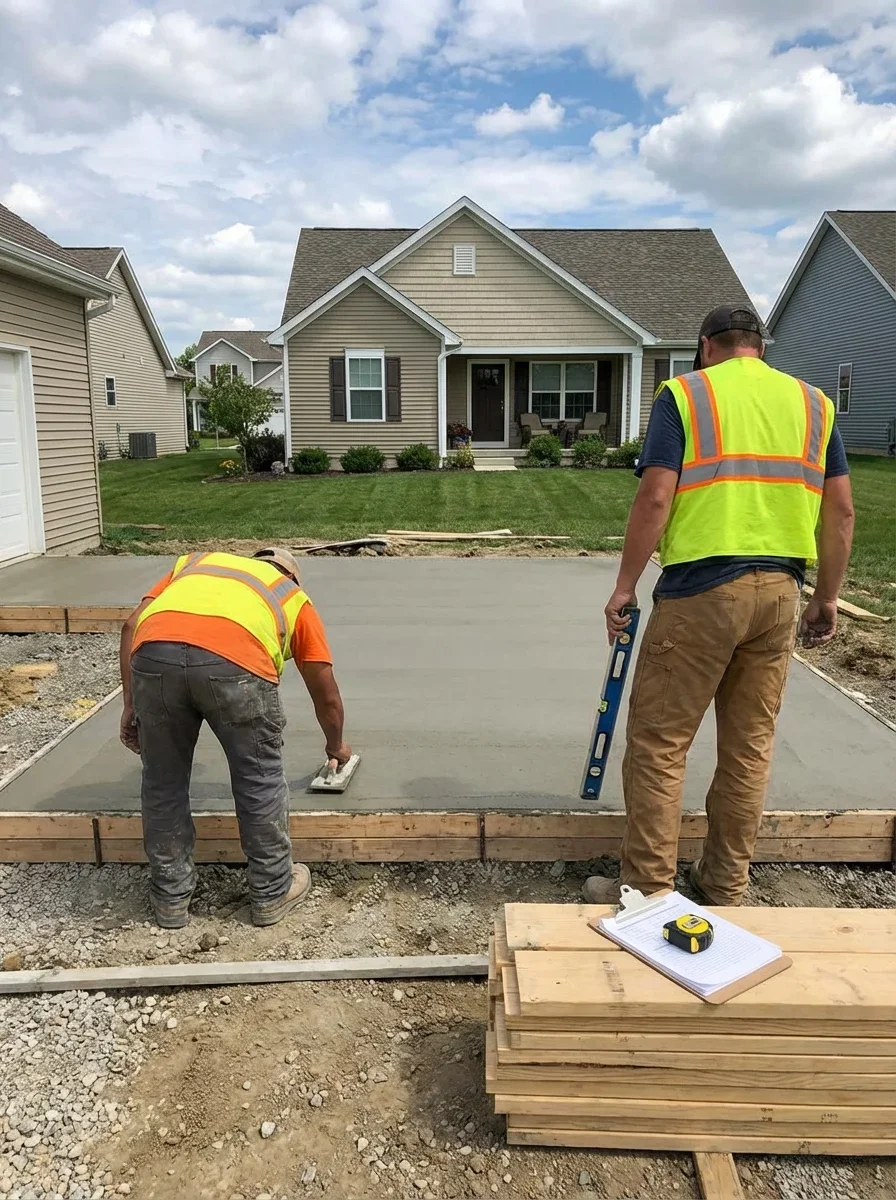
How Much Do Concrete Contractors Cost? Pricing Guide
Understand concrete contractor pricing in Fox Valley. Learn what drives costs, regional price ranges, and how to compare quotes from licensed professionals.
Read Cost Guide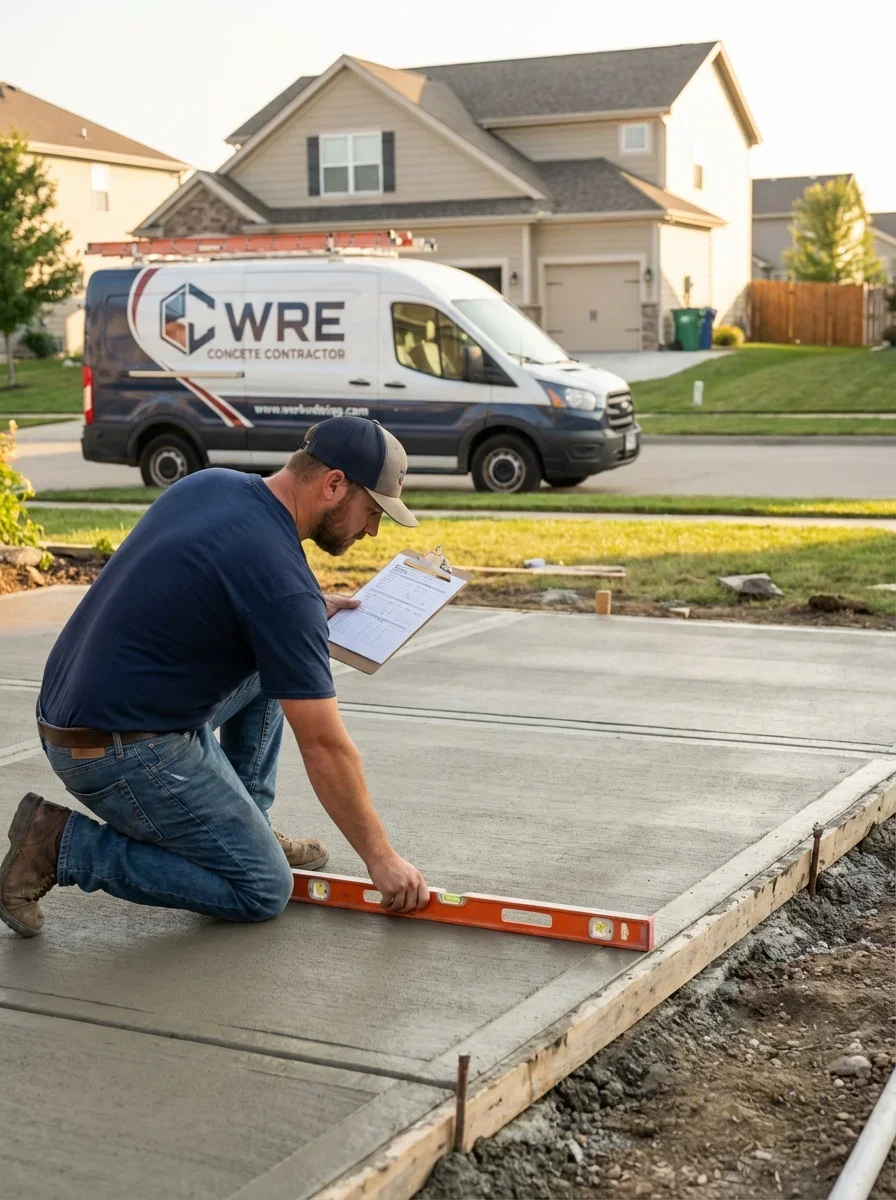
How to Choose the Right Concrete Contractor for Your Project
Learn what separates quality concrete contractors from the rest. Licensing, insurance, experience, equipment, and questions to ask before hiring for your project.
Read Guide
How to Evaluate Concrete Contractor Reviews and References
Learn to spot authentic reviews, verify references, and identify red flags when researching concrete contractors. What to look for beyond star ratings.
Read Guide