What Do Concrete Foundation Contractors Do?
Foundation contractors specialize in the structural systems that support residential and commercial buildings. Unlike contractors who pour driveways or decorative slabs, these specialists focus on load-bearing concrete work that must meet engineering specifications and pass municipal inspections.
They handle everything from residential basement walls to commercial footings, working with architects and engineers to ensure your structure sits on solid ground.
Their expertise extends beyond mixing and pouring concrete. They interpret soil reports, calculate load requirements, coordinate with excavation crews, and navigate Wisconsin's specific building codes — including frost depth requirements that reach 48-60 inches in our region. Most foundation projects require multiple inspections at different stages, and qualified contractors know exactly what inspectors look for before concrete gets poured.
Types of Residential Foundations
Poured concrete slab foundations sit directly on prepared and compacted gravel beds, common for ranch homes and garage construction. These monolithic slabs integrate the footing and floor into one continuous pour, eliminating the joint where water typically infiltrates.
You'll see these in newer construction where basements aren't needed.
Crawlspace foundations use concrete footings and either poured walls or concrete block to create 18-48 inches of clearance beneath the home. This approach works well in areas with high water tables where full basements flood, giving you access to plumbing and utilities without excavating eight feet down.
Full basement foundations remain the most common choice for Wisconsin homes, offering both living space and structural support. Contractors pour continuous footings below frost depth, then form and pour 8-10 inch walls that extend above grade.
The precision required here exceeds other foundation types. Walls must be perfectly plumb and level, with proper reinforcement placement, because any deviation affects every wall, door, and window above.
| Foundation Type | Best For | Typical Depth | Cost Range (per sq ft) |
|---|---|---|---|
| Monolithic Slab | Ranch homes, garages, level lots | 4-6 inches (plus footings) | $4-$8 |
| Crawlspace | High water table areas, moderate climates | 18-48 inches clearance | $8-$15 |
| Full Basement | Cold climates, additional living space | 8-10 feet below grade | $15-$30 |
Foundation vs General Concrete Contractors
The distinction matters more than most homeowners realize.
General concrete contractors excel at flatwork — driveways, patios, sidewalks — where aesthetics and drainage are the primary concerns. Foundation specialists bring engineering knowledge and structural expertise that flatwork doesn't require.
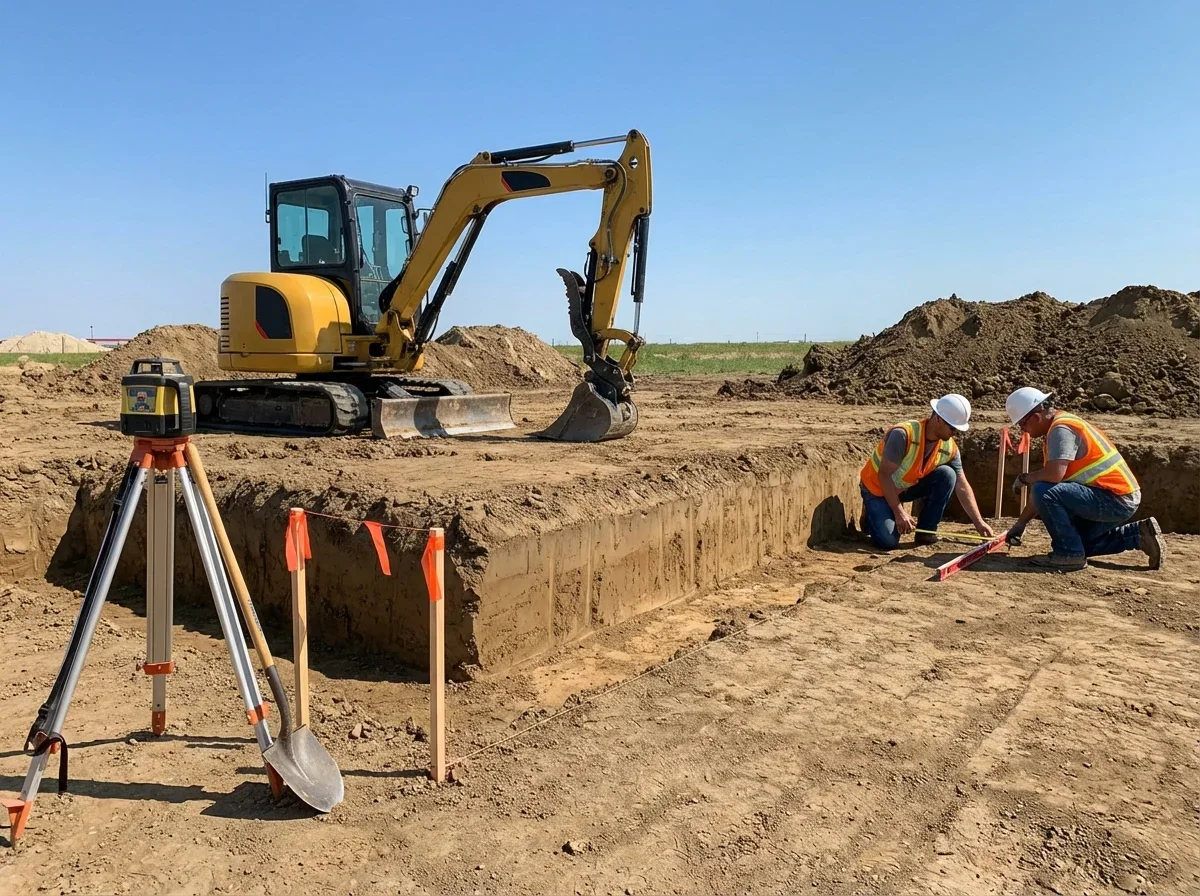
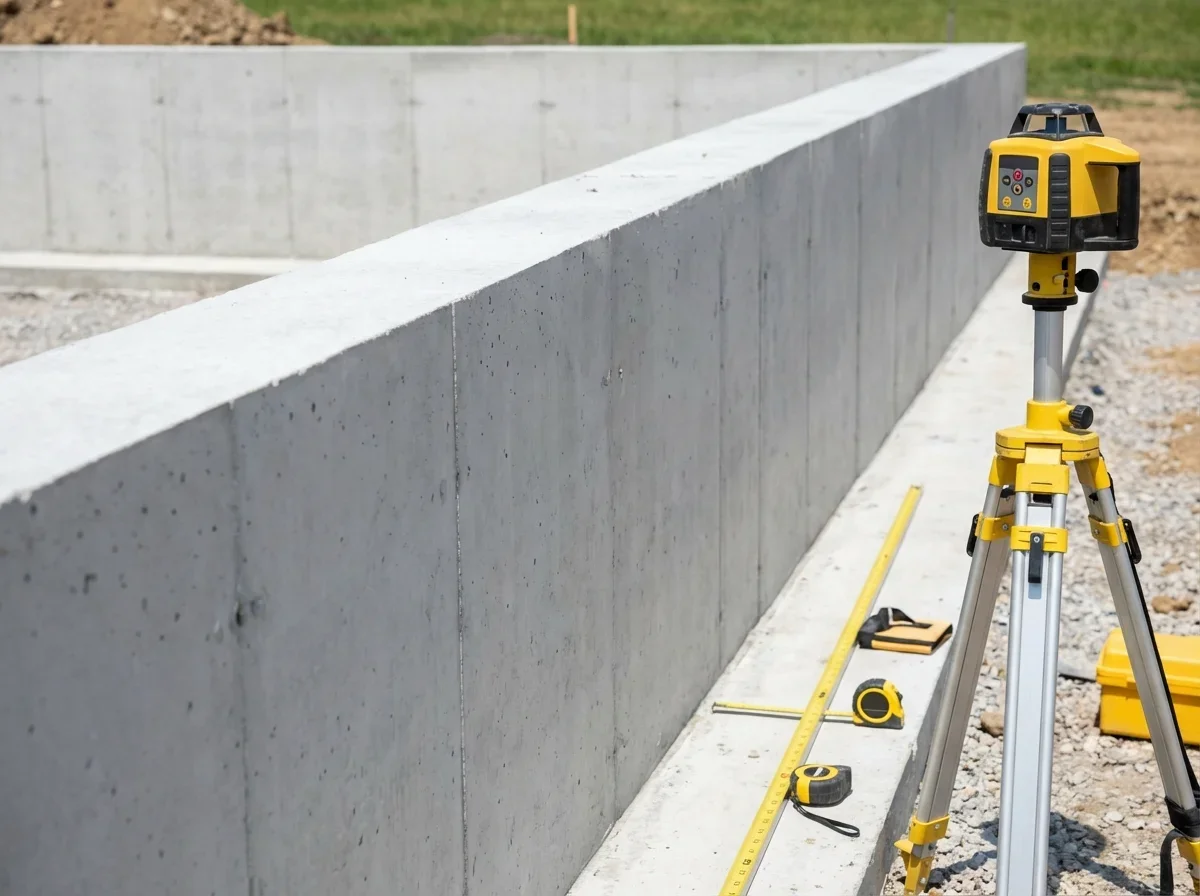
A foundation contractor reads soil reports and adjusts reinforcement based on bearing capacity. They understand how frost heave affects different soil types, why clay requires different approaches than sand, and how water tables influence design decisions. They own laser levels and transit systems that measure within 1/8 inch over 100 feet, not just hand levels and string lines.
Wisconsin requires specific credentials for foundation work on residential dwellings. All contractors pulling permits for one- and two-family homes, including foundation installation, must hold a valid Dwelling Contractor credential through the Wisconsin Department of Safety and Professional Services.[1]
This isn't optional paperwork. It's a legal requirement that ensures contractors understand structural building codes. Any contractor applying for foundation permits must present these state certifications to municipalities before work begins.[3]
How Professional Foundation Installation Works
Site Preparation and Excavation
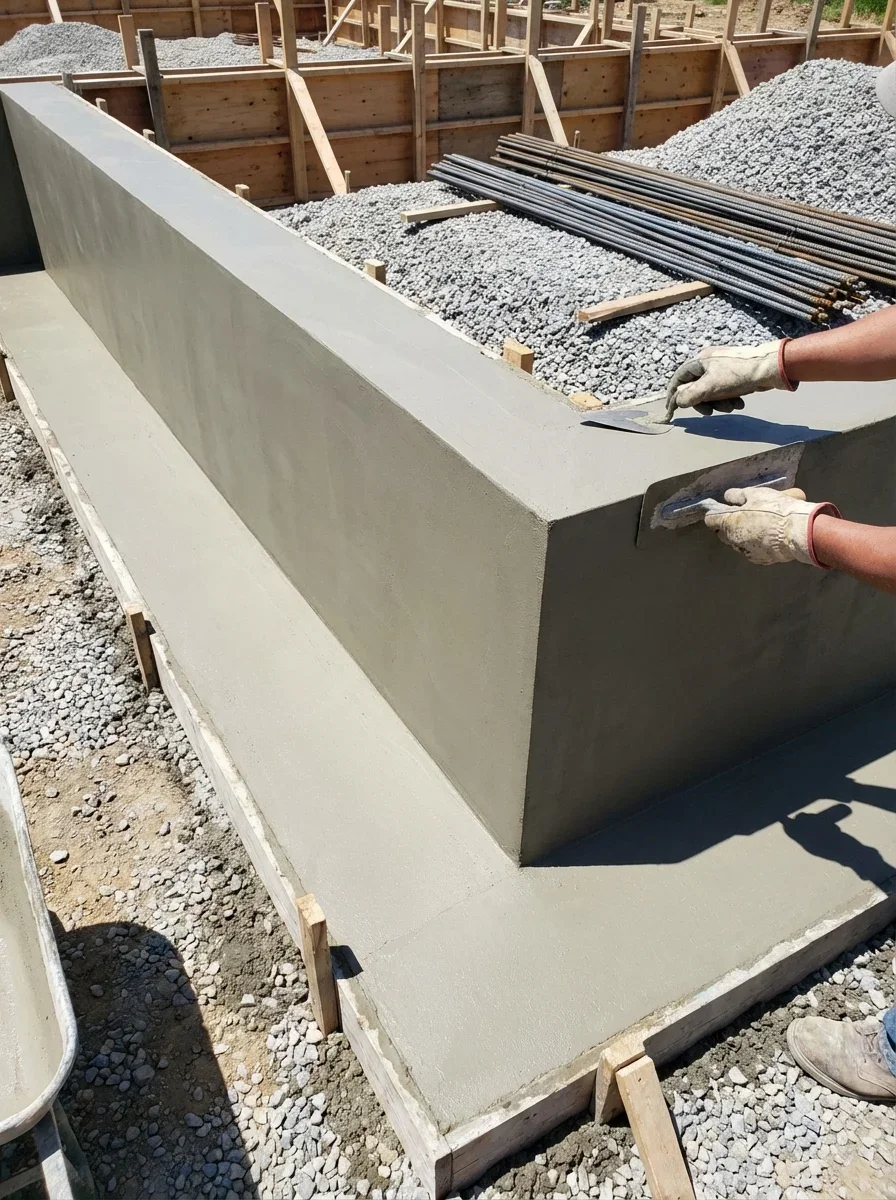
Before any concrete gets poured, foundation contractors verify property lines, locate underground utilities, and stake out exact dimensions based on architectural plans. Excavation crews dig to specified depths — typically 4-5 feet below finished grade for full basements — while foundation contractors monitor soil conditions and water infiltration.
What they find during excavation sometimes requires design modifications.
Soil type dictates the next steps. Clay soils expand and contract with moisture, requiring engineered solutions like deeper footings or specialized drainage. Sandy soils drain well but may need wider footings to distribute loads.
If contractors encounter unexpected conditions — a high water table, unsuitable bearing soil, or rock ledge — they stop and consult with engineers before proceeding. Reputable contractors never rush past this stage, even when it delays the schedule.
The excavation floor gets compacted and leveled, then covered with 4-6 inches of crushed gravel. This layer provides drainage beneath the slab and prevents soil moisture from wicking into concrete. Contractors pitch this gravel bed toward perimeter drains, ensuring water moves away from the foundation rather than pooling underneath.
Pro Tip: Contractors who discover unexpected soil conditions and immediately consult engineers demonstrate the expertise you want. Foundation specialists who rush past soil issues to stay on schedule create structural problems that appear years later — often after warranty periods expire.
Forming, Reinforcement, and Concrete Placement
Forming requires precision that separates professionals from amateurs. Contractors build rigid wooden or metal forms that hold wet concrete to exact dimensions, braced every 2-3 feet to prevent bulging under pressure.
Forms for basement walls must be perfectly plumb and level. Even a 1-inch deviation creates problems when framing interior walls later.
Rebar placement happens before concrete arrives. Horizontal and vertical steel reinforcement gets positioned according to engineering specifications, typically #4 or #5 rebar spaced 12-18 inches on center. The steel sits on plastic chairs that hold it at proper depth within the concrete, usually 3 inches from any surface.
Inspectors verify this reinforcement before allowing concrete placement. Contractors who skip or rush this step cause problems years later.
Concrete mix specifications matter as much as placement technique. Foundation concrete typically uses a 3,000-4,000 PSI mix with air entrainment for freeze-thaw resistance. Contractors verify slump (concrete consistency) when trucks arrive and reject loads that don't meet specs.
Placement happens in continuous pours whenever possible. Cold joints between pours create weak points where water infiltrates.
Vibration eliminates air pockets as concrete fills forms. Contractors use immersion vibrators to consolidate concrete around rebar and into corners, ensuring full coverage without voids. This step looks simple but requires skill — over-vibrating causes aggregate to settle and weakens the mix.
Curing and Inspection Process
Curing begins immediately after finishing. Contractors spray curing compound or cover concrete with plastic sheeting to retain moisture during the critical first seven days.
Concrete gains most of its strength during this period. Rapid moisture loss causes surface cracking that compromises durability. Some contractors arrive at 5:30 AM to spray curing compound before temperatures rise — early starts that ensure proper moisture retention.
Wisconsin building codes require multiple inspections at specific stages. Inspectors verify excavation depth, footing dimensions, rebar placement, and concrete placement — often visiting four times for a single foundation. Foundation contractors coordinate these inspections and know what municipalities require at each stage.
Any work that proceeds without required inspections can be red-tagged, forcing expensive corrections.
Forms stay in place for 3-7 days depending on weather conditions. After stripping forms, contractors apply waterproofing to exterior walls, install perimeter drains, and backfill carefully to avoid damaging fresh concrete. The entire process from excavation to backfill typically spans 2-4 weeks, assuming good weather and no unexpected soil conditions.
What Should Foundation Work Cost in Fox Valley?
Foundation costs vary dramatically based on type, size, and site conditions. Homeowners in our area report foundation repair costs ranging from $2,445 to $7,335, with most projects clustering around $4,890.[sentiment]
New foundation installation costs significantly more. Full basement foundations for a typical 1,500-square-foot home run $15,000-$30,000 depending on soil conditions and wall height.
Soil type influences costs more than most homeowners expect. Clay soils that expand and contract require engineered solutions that add $3,000-$8,000 to baseline costs. High water tables mean installing sump systems and more extensive drainage, adding another $2,000-$5,000.
Sandy soils generally cost less to work with but may require wider footings that increase concrete volume.
Foundation type drives the cost structure:
- Monolithic slabs: $4-$8 per square foot for simple installations on level lots
- Crawlspace foundations: $8-$15 per square foot including footings and stem walls
- Full basements: $15-$30 per square foot depending on wall height and soil conditions
These ranges assume normal soil conditions on accessible lots. Difficult access, significant grade changes, or soil remediation push costs higher.
Contractors who provide quotes without visiting the site or conducting soil analysis typically underestimate real costs, leading to change orders later.
The cheapest bid rarely represents the best value. Get detailed quotes from at least three contractors, with clear breakdowns of labor, materials, and timeline. Quotes should specify concrete strength, rebar schedules, waterproofing methods, and warranty coverage.
Contractors who provide one-line bids or resist explaining their approach often cut corners that cause expensive problems later.
How to Choose a Foundation Contractor
Licensing and Insurance Verification
Wisconsin law requires specific credentials for foundation work, and verification takes five minutes online. Every contractor pulling permits for residential foundation work must hold a Dwelling Contractor credential issued by the Department of Safety and Professional Services.[1]
You can verify credentials through the state's LicensE platform before signing any contract.
Insurance requirements go beyond general liability. Foundation contractors need workers' compensation coverage for their crews and liability coverage that specifically includes structural work. Request certificates of insurance directly from the insurance company, not photocopies from the contractor — photocopies can be outdated or altered.
Proper coverage protects you if workers get injured on your property or if foundation failure causes structural damage.
Some municipalities require additional bonding for foundation work. Appleton, for example, requires general contractor licenses and bonding for major foundation projects. Check your local building department's requirements before accepting bids — contractors who don't mention local requirements may not be familiar with your municipality's standards.
Contractors bidding on larger projects or public works must hold additional certifications through the Department of Administration.[2] While this matters less for typical residential work, it indicates a contractor's experience level and commitment to compliance.
Essential Contractor Qualifications Checklist:
- Valid Wisconsin Dwelling Contractor credential (verify through state LicensE platform)
- Workers' compensation insurance for all crew members
- Liability coverage specifically including structural/foundation work
- Municipal bonding requirements (varies by city — verify with local building department)
- Minimum 3 years foundation-specific experience in your region
- Written warranties covering both workmanship (1 year minimum) and structural performance
Questions to Ask Before Hiring
Start with project-specific experience. Ask how many foundations they pour annually and request references for similar projects — basement foundations if you're building a basement, slab foundations if that's your project type.
Foundation work isn't interchangeable. Contractors who specialize in your foundation type bring relevant expertise.
Ask about their inspection process. How many inspections does your municipality require? Who coordinates them? What happens if inspections reveal issues?
Qualified contractors walk through the inspection schedule in detail and build inspection points into their timeline. Contractors who seem vague about inspections or suggest inspections are optional should be avoided.
Warranty coverage deserves careful attention. Most contractors offer one-year workmanship warranties covering defects in their installation. Some provide longer structural warranties — up to 10 years — that cover major foundation failure.
Get warranty terms in writing before signing the contract. Include what's covered, claim procedures, and whether warranty transfers if you sell the home. Verify these terms upfront rather than discovering limitations after problems appear.
Request their approach to unexpected conditions. What happens if they encounter unsuitable soil, unexpected rock, or higher water tables than anticipated? How do change orders work?
Contractors who've handled challenging sites discuss contingency planning readily and explain how they've solved similar problems before.
Check their material specifications. What concrete strength do they use? What rebar schedule? What waterproofing system? Compare these specifications across multiple bids — contractors who won't discuss technical details either don't understand them or plan to use substandard materials.
Review their project portfolio. Ask to see recent foundation projects and talk to those homeowners about their experience. BuildZoom rankings can help identify established contractors — firms like Fox Valley Concrete rank in the top 99% locally, indicating consistent quality and longevity.
Contractors with 25+ years in business and strong local reputations have proven track records that reduce your risk.
Find Concrete Foundation Contractors Near You
Quality foundation work requires contractors who combine engineering knowledge, precision equipment, and Wisconsin-specific building code expertise. The contractors in our directory hold required state credentials, carry proper insurance, and specialize in structural concrete work.
Browse local foundation contractors to compare qualifications, read homeowner reviews, and request detailed quotes for your project.
Foundation work gets done right once or wrong forever. Take time to verify credentials, compare detailed bids, and ask the questions that reveal contractor expertise.
Your home's structural integrity depends on the foundation you build today.
Frequently Asked Questions
- Wisconsin Department of Safety and Professional Services (DSPS). "Dwelling Contractor - DSPS - Wisconsin.gov." https://dsps.wi.gov/Pages/Professions/DwellingContractor/Default.aspx. Accessed February 09, 2026.
- Wisconsin Department of Administration (DOA). "DOA Contractor Certification - WI DOA - Wisconsin.gov." https://doa.wi.gov/Pages/DoingBusiness/ContractorCertification.aspx. Accessed February 09, 2026.
- City of Franklin, Wisconsin (Municipal Government). "Foundation Repair." https://www.franklinwi.gov/Departments/Inspection-Services/Permits-Issued-by-the-Inspection-Services/Foundation-Repair.htm. Accessed February 09, 2026.